News Summary
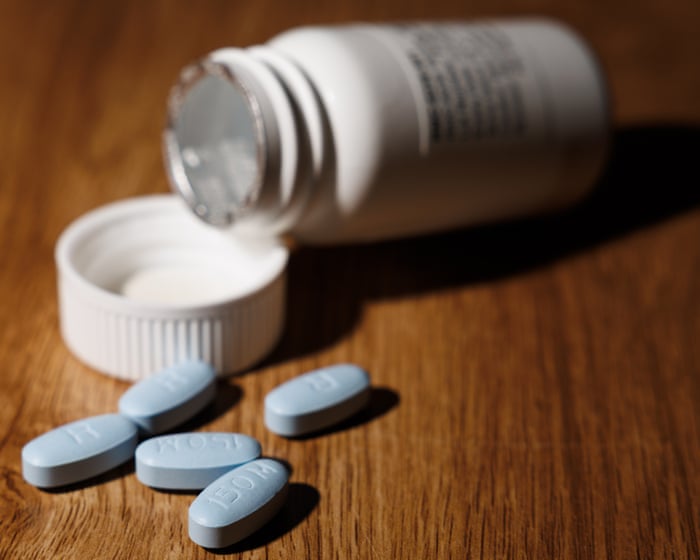
The Guardian reports that the U.S. Food and Drug Administration granted expedited approval to daraxonrasib, described in the article as an oral, first-of-a-kind pill that blocks a mutated protein implicated in the most common form of pancreatic cancer. The piece frames the approval as offering U.S. patients a "more effective" treatment against a high-mortality disease but does not supply clinical-trial results, safety or side-effect data, the exact regulatory indication, or information about cost and patient access.
Source and Framing Analysis
Primary source for this cluster: a single The Guardian report supplied in the package. The article conveys several verifiable items (drug name, regulatory action, formulation) but uses strongly positive language—"groundbreaking," "more effective," "first-of-a-kind"—that raises expectations. The Guardian excerpt claims the drug "blocks a mutated protein that fuels tumor growth in more than 90% of pancreatic cancer cases" without linking trial data, regulatory documents, or manufacturer statements in the supplied text. Because only one report is in the supplied material, there is no cross-source corroboration of efficacy, safety, scope of approval, or access conditions; those omissions materially affect how readers should interpret the approval. Attribution: the positive characterizations and the >90% mechanistic statistic are reported by The Guardian (supplied piece) rather than independently verified here.
How sources covered this story
Sanctuary separately assesses reporting quality and alignment with Christian virtues. The virtues assessment considers truthfulness, dignity, compassion, justice, peacemaking, humility, and care for vulnerable people. It does not assess a publisher's faith or reward religious language.
Compare 1 reports
Reporting 72/100Virtues 75/100
- Distinctive contribution
- Provides the drug name (daraxonrasib), the regulatory action (FDA expedited approval), formulation (pill), and a mechanistic claim (blocks a mutated protein that fuels tumor growth in >90% of pancreatic cancer cases).
- Framing
- Positive/optimistic framing: uses terms like 'groundbreaking' and 'more effective treatment', which emphasize benefit. The excerpt mixes factual claims (approval, mechanism) with promotional language without presenting supporting trial data or caveats.
- Omissions or uncertainty
- No trial data, efficacy numbers, safety/adverse-event information, patient population size, specific mutation name, manufacturer information, exact scope of the approval (e.g., accelerated/conditional, for which line of therapy), or regulatory caveats. Attribution and sources for the >90% claim are not provided in the excerpt.
- Why these scores
- The excerpt conveys key material facts succinctly (approval, drug name, mechanism), which is appropriate for a news lead. However, it uses strong promotional language ('groundbreaking', 'more effective') without presenting supporting evidence, lacks quantitative trial data, specifics of the approval, and sourcing for the mechanistic/percentage claim. For a short news item this is acceptable but incomplete; hence a solid but not exceptional score. The excerpt appears truthful and non-dehumanizing, communicating potentially beneficial medical news that could offer hope to patients (compassion/beneficence). It does not exploit suffering or sensationalize in a harmful way, but it also omits information needed to assess justice/justice-in-access (costs, eligibility) and risks to patients (safety), so it cannot score higher.
Biblical Reflection
Cautious hope. Christians can rejoice in scientific progress that may relieve suffering while holding a sober posture: expedited regulatory approvals often leave unanswered questions about magnitude and durability of benefit, net harms, and equitable access. Ethically, our response should center truth (accurate information), mercy (compassionate accompaniment of patients), justice (advocacy for fair access and affordability), peacemaking (supporting families in hard decisions), humility (resisting premature certainty), and care for vulnerable neighbors (practical support for those facing financial, logistical, or informational barriers). Congregations can offer prayerful solidarity, pastoral presence, and practical help while encouraging affected people to seek detailed oncologic counsel before making treatment decisions.
Scripture in context
- 1Luke 10:25-37 (Good Samaritan) — A parable Jesus tells about neighbor-love, compassion across social boundaries, and practical mercy toward someone in desperate need. — This passage calls Christians to active compassion for people who are suffering—supporting patients, caregivers, and those denied access to care—and reminds the church that theological concern must translate into practical help.
- 2James 2:14-17 — A pastoral admonition that faith without works is incomplete, emphasizing that genuine faith shows itself in acts of care for those in need. — It encourages believers to pair prayer and heartfelt hope with concrete acts—advocacy, caregiving, and support for equitable access to medical advances.
Faithful Response
Pray for patients, families, researchers, clinicians, and regulators involved with daraxonrasib; ask God for wisdom, compassion, and clarity.
Seek verified clinical information before making or recommending treatment decisions: request trial results, survival and progression data, safety/adverse-event profiles, and official FDA documentation or oncology-society guidance.
Offer pastoral presence and practical support to congregation members facing pancreatic cancer: listening, accompaniment to appointments, help with transportation, and referrals to oncology social work or patient-navigation services.
Advocate for equitable access and affordability so that new treatments do not become available only to those with wealth or privileged insurance coverage.
Encourage clinicians and church leaders to communicate hope with humility—celebrate progress but avoid portraying regulatory approval as equivalent to demonstrated long-term survival benefit until trial and real-world data are available.
Reflection and Discussion
- 1How can my congregation hold hope for medical breakthroughs while resisting a narrative that equates approval with cure?
- 2What practical steps can our church take to support members who may consider daraxonrasib but face financial, geographic, or informational barriers?
- 3Who in our community should we contact (oncology nurses, social workers, patient navigators) to build a reliable referral network for people seeking accurate information about new cancer therapies?
Sources
Reporting links are evidence inputs; Sanctuary News' biblical reflection is commentary.
This outlook currently relies on fewer than two linked sources. Broaden verification before teaching from it.
- 1.FDA gives expedited approval to new groundbreaking pancreatic cancer drugprimary_reporting