News Summary
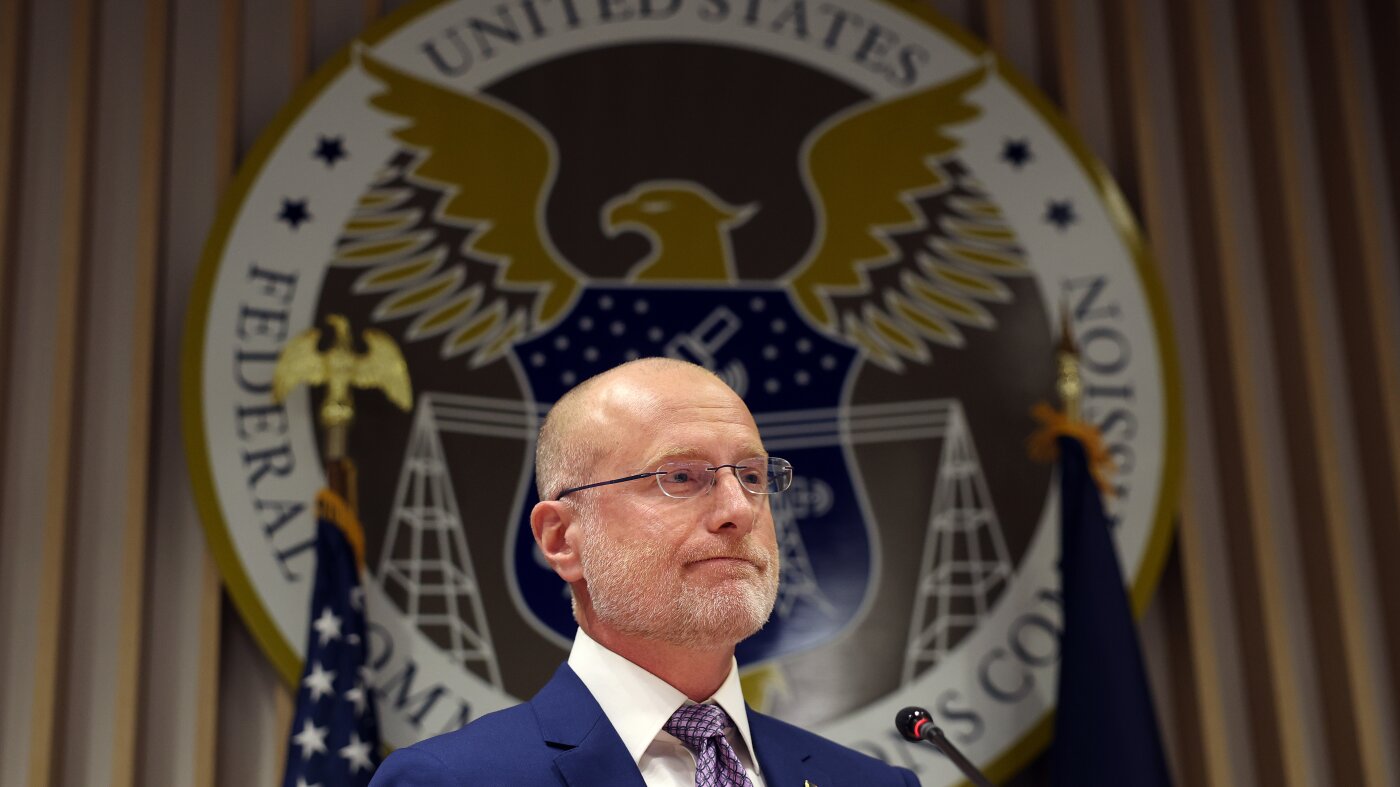
FCC Chairman Brendan Carr has asked the agency to review the E-Rate program, which subsidizes monthly internet bills for many public schools, libraries, and some private schools. The E-Rate program, created by Congress in 1996, helped raise school and library internet access from about 14% then to nearly universal access today; it is funded via the Universal Service Fund. Carr’s notice of proposed rulemaking cites concerns about protecting children on E-Rate-funded networks and specifically mentions limiting student screen time as a reason for review. Educators and library advocates warn that shrinking or complicating E-Rate funding would shift ongoing utility costs onto school districts and libraries, hurting districts with high connectivity costs—especially rural and remote areas such as parts of Alaska and large, geographically diverse counties in California. Supporters note the program’s bipartisan history and legal protections in the Telecommunications Act; the Supreme Court recently upheld the constitutionality of the Universal Service Fund. Advocacy groups say there are ways to address privacy and screen-time concerns without cutting connectivity funding. The FCC review process will open a public comment period (60 days plus 30 days for replies) before the agency considers rule changes; critics fear the program could be made more burdensome even if not eliminated. The story also notes a policy context: elements of Project 2025 and some state-level actions are calling for reevaluating technology’s role in schools.
Biblical Reflection
From a Christian pastoral perspective, this is a policy debate with real moral stakes: access to education and the care of children. The article reasonably reports facts and local impacts, but readers should note framing choices—emphasizing screen-time concerns can deflect attention from the immediate material consequences for poor, rural, and marginalized students who rely on subsidized connectivity. The underlying worldviews at odds are (1) a protective, child-centered impulse worried about digital harms, and (2) a smaller-government, budget-cutting impulse that may use children’s welfare language to justify reducing federal supports. Christian wisdom calls for both protecting children’s well-being and ensuring equitable access to learning resources: truth requires distinguishing genuine digital-safety measures from budget-driven pretexts; mercy and neighbor-love require defending the educational lifelines poorer districts depend on; humility and prudence counsel careful policy design that mitigates harm without depriving vulnerable communities of tools for learning, therapy, and safety. Practically, Christians can advocate for balanced solutions—stronger local EdTech policies, privacy protections, and screen-time norms—while opposing cuts that would widen educational inequity.
Scripture in context
This outlook does not yet include contextual Scripture citations. Do not treat a general biblical theme as an exegetical conclusion.
Faithful Response
No prescribed response is offered. Consider the reflection prompts below in your own church context.
Reflection and Discussion
- 1Who will actually lose access or services if E-Rate funding is reduced or made harder to use, and are those voices being centered in the debate?
- 2Is the language of 'protecting children from screen time' being used to advance other policy goals, such as shrinking federal programs or reducing regulation?
- 3How can policymakers and schools balance legitimate concerns about student screen time with the practical need for reliable internet for instruction, testing, and special services?
Sources
Reporting links are evidence inputs; Sanctuary News' biblical reflection is commentary.
This outlook currently relies on fewer than two linked sources. Broaden verification before teaching from it.
- 1.Original reportprimary