A little more detail
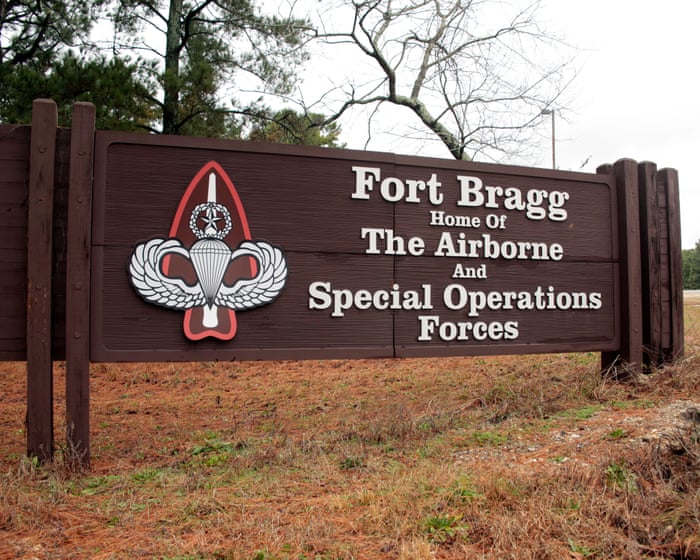
The Guardian reports that the FBI arrested James Thomas Ashbacher, 37, a former North Carolina government contractor from Spring Lake, on allegations that he posted top-secret national defense safety data on social media, unlawfully stored classified national defense materials at his residence, and stole night-vision equipment from U.S. Army Special Operations Command.
Source and Framing Analysis
This update is based on a single news report from The Guardian. The article attributes the claims to authorities and uses cautious language such as "allegedly," but it does not cite court filings, name specific law-enforcement officials, specify the social media platform(s) involved, detail the precise documents or classification levels, or describe any measured harm from the alleged disclosures. Framing is matter-of-fact and law-enforcement focused; it reports concrete allegations (name, age, hometown, alleged acts) while omitting the accused's statement, charging instrument details, and independent corroboration. These gaps create important uncertainties about scope, evidence, and legal posture (e.g., whether charges were filed or an indictment sought).
How sources covered this story
Sanctuary separately assesses reporting quality and alignment with Christian virtues. The virtues assessment considers truthfulness, dignity, compassion, justice, peacemaking, humility, and care for vulnerable people. It does not assess a publisher's faith or reward religious language.
Compare 1 reports
Reporting 78/100Virtues 72/100
- Distinctive contribution
- Provides the suspect's full name (James Thomas Ashbacher), age (37), hometown (Spring Lake, NC), his role as a former government contractor, and specific alleged conduct (posting top-secret safety data on social media, unlawful storage of national defense materials at his home, and theft of night-vision goggles from US Army Special Operations Command).
- Framing
- Matter-of-fact, law‑enforcement focused reporting that uses cautious language (e.g., 'allegedly') and centers on the criminal allegations and items involved rather than motive or impact.
- Omissions or uncertainty
- No direct attribution to named officials or documents beyond 'Authorities say'; lacks charging instrument details (exact statutes or counts), timing of arrest, specific social media platform(s), nature/level of classification of the 'top-secret safety data,' evidence linking the suspect to the leak, any statements from defense or legal counsel, or information about harm caused by the alleged leak. It is not explicit whether charges were filed or if this is an arrest pending indictment.
- Why these scores
- The excerpt is concise and responsibly worded—using 'allegedly' and attributing claims to authorities—so it avoids presuming guilt. It provides several concrete particulars (name, location, alleged acts, stolen items) which are useful. The limitations are substantive: no named sources or documents, lack of legal specificity, and minimal context or balancing statements (e.g., no comment from the accused). For a brief news item this is solid but not deeply sourced or contextualized. The wording respects truthfulness and the presumption of innocence by using cautious language and attributing claims to authorities. It does not sensationalize or dehumanize the subject. However, the excerpt lacks compassionate/contextual elements (no information about motives, circumstances, or potential impacts on victims) and offers limited attention to justice-restorative context or the accused's perspective, so alignment with virtues like compassion and humility is moderate rather than strong.
Biblical Reflection
Christians should hold together truth, mercy, justice, peacemaking, humility, and care for vulnerable neighbors in responding to these allegations. That means: (1) seeking factual clarity and resisting rumor or premature judgment; (2) supporting lawful investigations and accountability when trust is breached; (3) caring for any victims or service members who might be endangered by disclosures or theft; and (4) praying for fairness for all parties and for institutions charged with protecting the common good. Scripture calls the community to honesty and to respect for lawful order while reminding believers to avoid vindictiveness and to treat the accused with dignity as the legal process proceeds.
Scripture in context
- 1 — Paul addresses Christian behavior toward governing authorities, arguing that government is ordained to maintain order and justice in society. — This passage supports cooperating with lawful investigation and respecting institutions that protect neighbors, while also reminding Christians that submission to authorities must be balanced with pursuit of justice and care for the vulnerable; it counsels restraint from mob judgment and a posture of humble obedience to legitimate civil order.
Faithful Response
Pray for investigators, for the safety of any individuals potentially harmed by alleged disclosures or stolen equipment, and for just treatment of the accused.
Avoid sharing or amplifying unverified allegations or potentially sensitive material that could cause further harm.
Encourage and support transparent, lawful processes—including timely, public information from authorities consistent with legal constraints—and resist speculation.
Offer pastoral care to people anxious or distressed by the report, emphasizing truth, mercy, and the presumption of innocence until legal procedures establish facts.
Reflection and Discussion
- 1How should I balance the impulse to know details with the responsibility to avoid amplifying unverified or harmful information?
- 2In what ways can my response embody both a commitment to accountability and compassion for persons involved, including those potentially harmed and the accused?
- 3What assumptions or biases might I bring when I hear allegations about national-security breaches or theft from the military?
Sources
Reporting links are evidence inputs; Sanctuary News' biblical reflection is commentary.
This is a developing, single-source report. Details may change as more reporting becomes available.
- 1.FBI arrests North Carolina man for allegedly posting classified information on social mediaprimary_reporting