News Summary
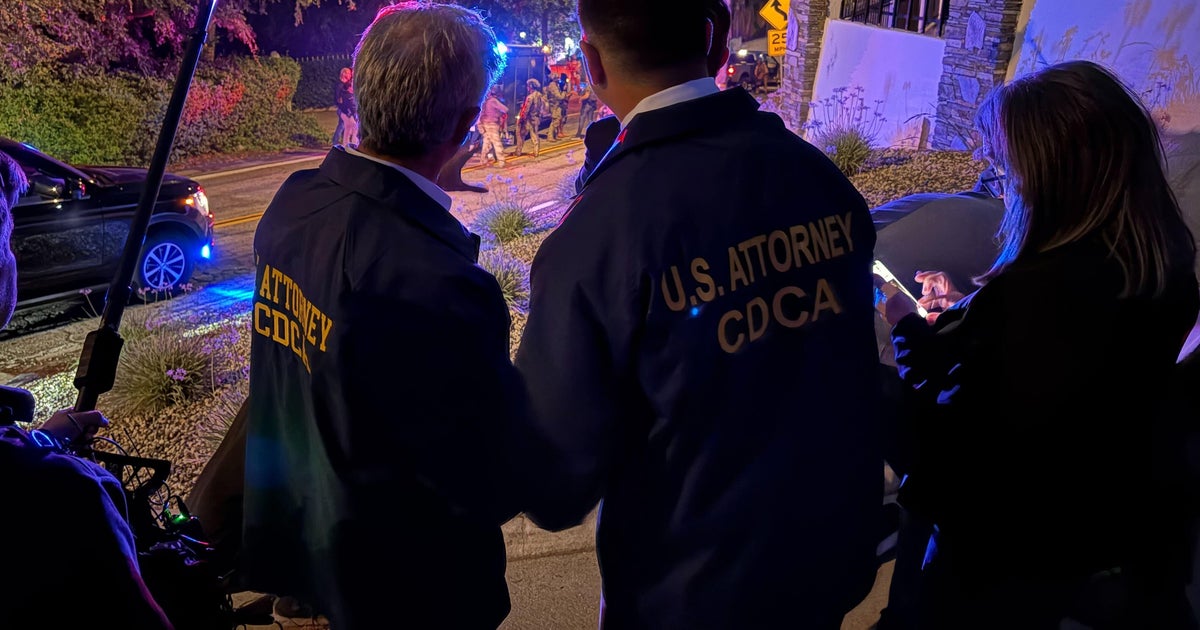
Federal agents executed early-morning arrests in San Dimas, California, taking into custody married couple Gladwin and Amelou Gill, who co-own 626 Hospice (doing business as St. Francis Palliative Care). The Gills are accused of fraudulently billing Medicare for $7.45 million. The FBI led the operation; CBS News reported that Dr. Mehmet Oz, described in the story as the Trump-appointed official overseeing the federal Medicare system, was on the scene. The Justice Department later announced that eight people, including the Gills, had been arrested and federally charged; U.S. Attorney Bill Essayli said officials were announcing 15 defendants in the broader investigation, with more than half accused of hospice fraud.
The article notes that a hospice reporting a more than 97% five-year survival rate is considered a red flag by auditors because hospice patients are normally in the final stages of terminal illnesses. CBS News' wider investigation of Los Angeles County hospices found that over 700 of roughly 1,800 hospices in the county triggered multiple state-audit red flags—such as low patient counts, excessive billing, staff shared across companies, and patients discharged alive after having been deemed terminally ill. The report also cited clusters of many hospice businesses registered at single addresses.
Federal and state officials, including California Attorney General Rob Bonta, say hospice fraud is a significant problem nationally and have pursued criminal and civil actions. The article reports that the HHS Office of Inspector General estimated suspected hospice fraud at about $198.1 million in 2023. In response to concerns, California extended a moratorium on new hospice licenses through January 2027 and multiple agencies are coordinating enforcement efforts. The coverage also describes political attention to hospice fraud from Republican leaders in Congress and an inquiry from the House Oversight Committee seeking documents from Governor Gavin Newsom about the state’s oversight of federally funded hospice programs.
Biblical Reflection
From a Christian perspective, this story raises several moral and pastoral concerns. First, it highlights abuse of systems meant to protect and care for vulnerable people—elderly and terminally ill patients who depend on hospice for dignity and comfort. Scripture consistently condemns exploitation of the weak (e.g., defend the fatherless and plead the widow’s cause), so alleged schemes that divert taxpayer funds and potentially harm patients are morally serious.
Second, the article shows how structural incentives (fee-for-service billing, minimal oversight, and fragmented provider registration) can be manipulated; truth-seeking requires separating individual criminality from systemic vulnerabilities. Christians should press for both accountability for wrongdoing and reforms that reduce temptation and opportunity for fraud.
Third, be alert to political and media framing. The story is reported alongside partisan actions—Congressional letters, mentions of high-profile officials, and oversight initiatives—which can lead readers to see the issue primarily through partisan lenses. While political actors rightly have oversight roles, Christians should ask whether coverage centers victims and systemic fixes or serves partisan advantage.
Finally, respond pastorally: name the sin (dishonesty, greed, exploitation), seek justice for victims, pray for investigators and for those harmed, and support policies that protect the vulnerable and steward public resources faithfully. Christian virtue calls for both truth and mercy—seeking accountability while caring for real people affected by these failures.
Scripture in context
This outlook does not yet include contextual Scripture citations. Do not treat a general biblical theme as an exegetical conclusion.
Faithful Response
No prescribed response is offered. Consider the reflection prompts below in your own church context.
Reflection and Discussion
- 1Whose needs and experiences does the coverage center—the alleged perpetrators, political actors, or the patients and families who may have been harmed—and how does that shaping affect our judgment?
- 2What systemic incentives in health care reimbursement and licensing create opportunities for abuse, and how should Christians weigh both accountability and structural reform?
- 3Are we responding primarily with partisan outrage or with a commitment to justice, protection of the vulnerable, and wise stewardship of public resources?
Sources
Reporting links are evidence inputs; Sanctuary News' biblical reflection is commentary.
This outlook currently relies on fewer than two linked sources. Broaden verification before teaching from it.
- 1.Original reportprimary