News Summary
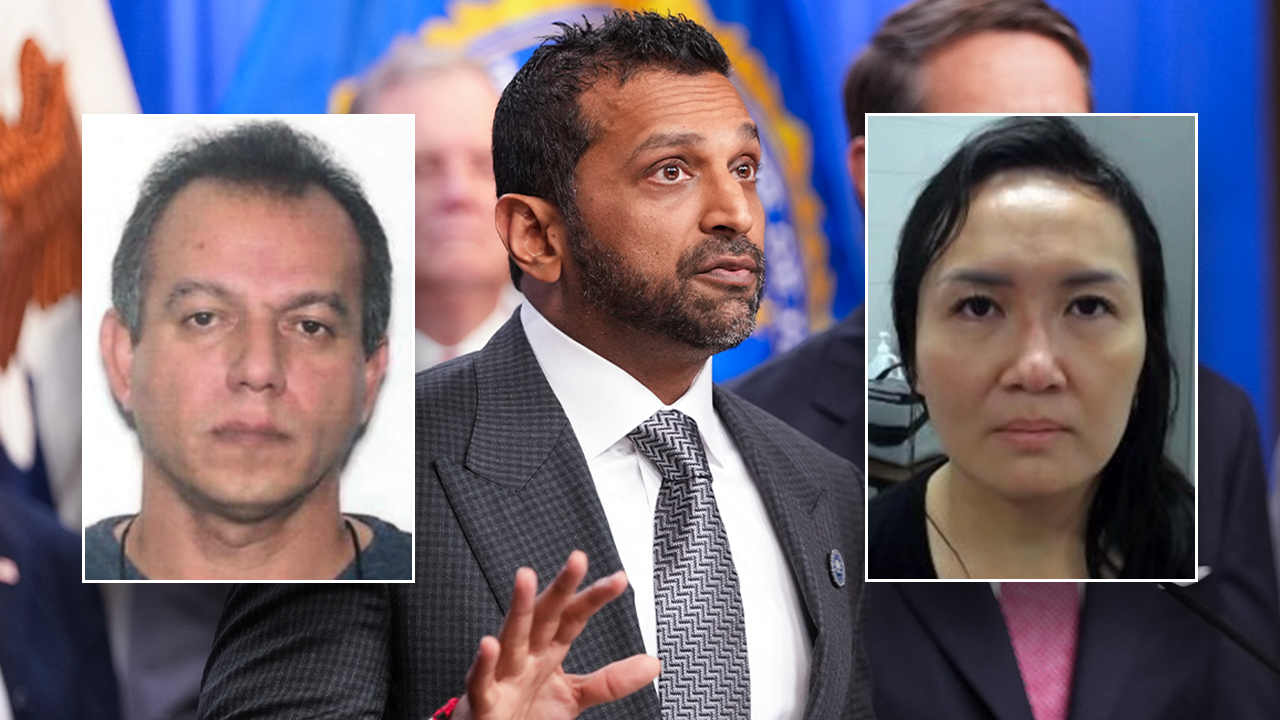
FBI Director Kash Patel announced the addition of two international fugitives, Khalid Ahmed Satary and Emylee Thai, to a recently created "Most Wanted Fraudsters" list. The announcement accompanied the Department of Justice's "2026 National Health Care Fraud Takedown," in which authorities charged 455 defendants with schemes alleging more than $6.5 billion in false claims. Officials say Satary is tied to a purported $547 million genetic testing fraud and may be hiding in the United Arab Emirates. Thai is charged with conspiracy to commit healthcare fraud, defrauding the United States, and paying and receiving kickbacks; the FBI alleges her lab billed Medicare about $142 million and retained roughly $95 million. The operation spanned 45 states and territories, involved federal and state partners, and included asset-seizure claims and descriptions of luxury purchases allegedly funded with stolen taxpayer money. DOJ and HHS leaders said the administration is using advanced data analytics and AI to detect and block fraudulent claims earlier in the payment process.
Biblical Reflection
This story reports a large, coordinated enforcement action aiming to protect public resources and hold alleged fraudsters accountable. From a Christian perspective, pursuing justice for theft of communal funds aligns with biblical calls to protect the vulnerable and steward shared resources responsibly. The article, however, repeatedly uses prosecutorial language and highlights alleged sums and lifestyles; readers should note these are allegations until proven in court and avoid presuming guilt. Also watch for institutional framing: the piece emphasizes an administration policy shift toward proactive detection and publicized successes, which can reflect a worldview that prioritizes technological control and punitive measures. Christians should welcome efforts that protect public health programs and honest beneficiaries, while also urging due process, restraint from gloating, and attention to possible unintended harms from automated detection systems (which could wrongly deny benefits to the needy). Finally, advocate both for accountability and for systems that prevent fraud without dehumanizing those involved or those who rely on the programs being protected.
Scripture in context
This outlook does not yet include contextual Scripture citations. Do not treat a general biblical theme as an exegetical conclusion.
Faithful Response
No prescribed response is offered. Consider the reflection prompts below in your own church context.
Reflection and Discussion
- 1Are we holding allegations and convictions apart in our minds, or are headlines encouraging assumed guilt before trials conclude?
- 2How might aggressive, tech-driven fraud detection help honest beneficiaries and also risk false positives or reduced access for those in need?
- 3Does public emphasis on seizure and punishment obscure the need for systemic reforms that reduce opportunities for fraud and strengthen care for victims?
Sources
Reporting links are evidence inputs; Sanctuary News' biblical reflection is commentary.
This outlook currently relies on fewer than two linked sources. Broaden verification before teaching from it.
- 1.Original reportprimary