News Summary
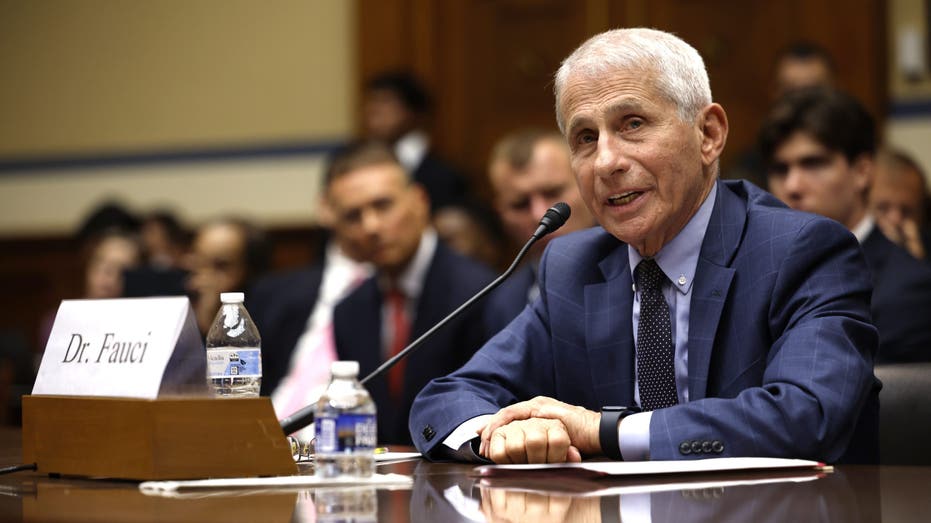
Reported facts: Fox News publishes that a private diary entry attributed to Anthony Fauci estimated COVID-19's case fatality rate at 0.2–0.3%. The article states that weeks later Fauci told Congress the case fatality rate was about 1%. Attributed claims: the diary estimate and the later Congressional figure are presented by the Fox News report; the article implies a discrepancy between private assessment and public testimony. Uncertainty: the diary entry itself, its full context (date, audience, whether the number refers to CFR or IFR), and independent corroboration are not provided in the supplied article.
Source and Framing Analysis
Material uncertainties that affect interpretation include: the supplied piece is a single news report (Fox News) referencing a ‘diary’ without reproducing the full entry or metadata; the article does not show the diary page, timestamp, or explanatory notes; it does not cite Fauci's exact Congressional testimony transcript or dates for direct comparison; and it does not clarify whether the two numbers refer to the same technical measure (case fatality rate versus infection fatality rate) or to different assumptions about case ascertainment. Those gaps make the reported discrepancy plausible but not conclusively established from this report alone.
Biblical Reflection
This report raises questions about how public-health information was assessed and communicated early in the pandemic. Christians should value both truthfulness and compassion: public leaders owe the public clear, accurate information because lives and trust depend on it, yet scientific estimates often change as evidence improves. The reported numerical difference could reflect evolving data, differing technical measures (for example, case fatality rate versus infection fatality rate), or communication choices intended to convey caution. We should avoid rushing to condemn without full context, while still insisting on transparency and accountability.
Spiritually, the story invites believers to practice humility (about what we know and don't know), courage (to seek accountability), and mercy (toward those who acted under uncertainty). Christian response should resist cynicism that erodes neighbor-love; instead seek facts, hold leaders to honest standards, and care for the vulnerable affected by public-health decisions.
Practically, demand for documentary clarity and careful public explanation is consistent with biblical values of honest witness and protecting the vulnerable. At the same time, Christians must be attentive to how partial reporting or single sources can amplify doubt; pursue corroboration and charitable judgment while pursuing the truth.
Scripture in context
- 1Ephesians 4:15 — Paul writes to a divided church urging members to pursue unity and maturity by 'speaking the truth in love' so that the body grows toward Christ. The passage sits within instructions on Christian conduct and mutual building up. — Leaders and communities should aim for truthful communication delivered with love and concern for others; when truth is missing or unclear, seek clarification rather than malign motives, and hold one another accountable with gentleness.
Faithful Response
Seek corroboration: look for primary documents (diary images, testimony transcripts) before forming definitive judgments.
Pray for discernment and restraint from spreading unverified conclusions; prioritize care for people affected by policies.
Ask public officials specific, documented questions about data, definitions, and timing while modeling respectful accountability.
Support vulnerable neighbors harmed by pandemic policy failures irrespective of intent or motive.
Reflection and Discussion
- 1How should Christian communities weigh incomplete evidence when calling for accountability from public leaders?
- 2In what ways can our desire for certainty lead us away from compassionate care for those harmed during crises?
- 3How does the call to speak truth in love shape our responses to alleged inconsistencies by leaders?
Sources
Reporting links are evidence inputs; Sanctuary News' biblical reflection is commentary.
This outlook currently relies on fewer than two linked sources. Broaden verification before teaching from it.
- 1.Exposed Fauci diary shows he estimated COVID-19 death rate to be much lower than what he told Congressprimary_reporting