News Summary
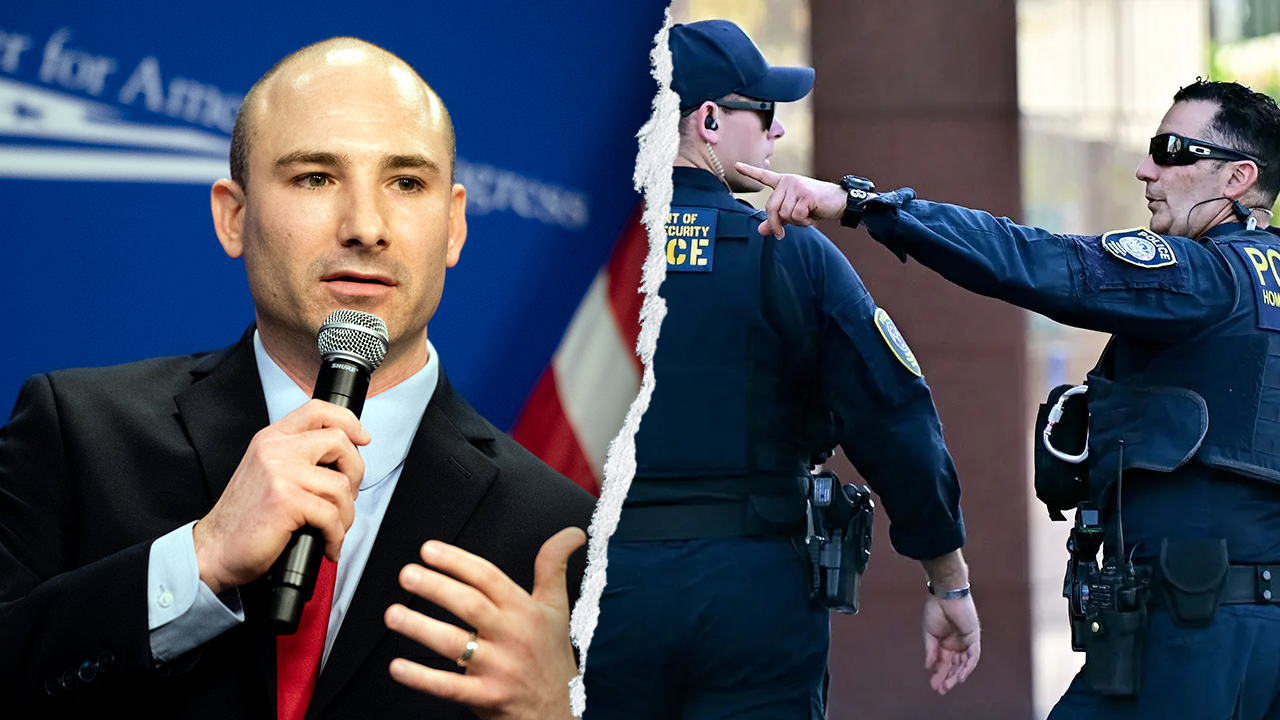
Fox News reports that multiple violent crimes in Fairfax County, Virginia, in recent years involved individuals described by the Department of Homeland Security (DHS) as undocumented. The article names several suspects and cases: Misael Lopez Gomez (charged with murder and child abuse in the alleged death of his 3-month-old daughter); Anibal Armando Chavarria Muy (charged with second-degree murder in a fatal stabbing); Abdul Jalloh (charged with second-degree murder in a stabbing and reported to have many prior arrests); Marvin Fernando Morales Ortez (charged with second-degree murder after a shooting, with DHS saying a prior detainer was not honored); Maldin Anibal Guzman (convicted in a 2024 mob killing and reported to have received a plea deal allowing a five-year sentence); Elmer De Jesus Alas Candray (an MS-13 member convicted in multiple murders; convictions were at the federal level); and Jose Iraheta Palacios (guilty of earlier gang charges, later involved in murders and suicide). The article states that seven undocumented individuals have been arrested in Fairfax County for violent attacks in recent years and that the deaths tied to these incidents total 13 in the suburb. Political figures and local GOP leaders criticized Fairfax County Democratic officials, including Commonwealth's Attorney Steve Descano and the Board of Supervisors, for sanctuary-type policies and for allegedly declining ICE detainers; they also criticized Virginia Gov. Abigail Spanberger for a reversal of a prior executive order on cooperation with ICE. DHS spokespersons are quoted condemning local policies and describing some suspects in strong language. Representatives for Descano’s office and the Fairfax County Sheriff’s Office provided limited or conditional comment: Descano’s office declined comment on pending cases and defended a plea deal in one case as necessary given weak physical evidence and uncooperative witnesses; the sheriff’s office said it notifies ICE when undocumented persons are booked and that federal authorities may assume custody only after judicial release orders. The article frames the situation as an “epidemic” of violence by undocumented immigrants and connects prosecutorial policy, detainer practices, plea bargains, and local political decisions with community safety concerns.
Biblical Reflection
This article reports real crimes and names defendants and charges, but its framing links multiple criminal incidents to a broader political narrative that assigns primary causal responsibility to local "sanctuary" policies and specific elected officials. The truth contains several distinct elements: (1) violent crimes occurred and suspects have been arrested and charged; (2) some suspects are reported by DHS to have been in the U.S. without authorization; (3) the operational relationship between local law enforcement, prosecutors, courts, and federal immigration authorities is legally complex — detainers are civil requests, not automatic holds, and local agencies and judges must follow constitutional and statutory procedures; and (4) prosecutorial decisions (charges, plea deals, evidentiary judgments) are often driven by the strength of admissible evidence and witness cooperation rather than by immigration status alone. The article foregrounds political blame (naming prosecutors and elected officials) and uses emotionally charged language, which can encourage readers to conflate correlation (some violent acts committed by undocumented persons) with simple causation (that sanctuary policies caused an "epidemic"). From a biblical perspective Christians are called both to seek justice and to practice mercy (Micah 6:8). Justice requires honest appraisal of facts, accountability for criminal behavior, protection of the vulnerable, and wise public policy that reduces harm. Mercy and the image-bearing dignity of every person counsel against dehumanizing rhetoric and scapegoating entire groups for the actions of individuals. A Christian reading should therefore: affirm the need for public safety and robust prosecution of violent crime; insist on truthful, evidence-based reporting and policy debate (distinguishing criminal law decisions from immigration enforcement); mourn victims and advocate for their protection; and avoid simplifying complex systems into partisan scapegoating. Finally, Christians should watch for media and political language that inflames fear or seeks advantage by painting groups with sweeping labels, and instead press for policies that protect communities while treating all people with dignity.
Scripture in context
This outlook does not yet include contextual Scripture citations. Do not treat a general biblical theme as an exegetical conclusion.
Faithful Response
No prescribed response is offered. Consider the reflection prompts below in your own church context.
Reflection and Discussion
- 1What specific evidence is offered that local detainer or sanctuary policies directly caused the crimes described, and where might the article be assuming causation instead of showing it?
- 2Do the headlines and language in this piece humanize victims and accused equally, or do they use dehumanizing terms that could harden public opinion against whole groups?
- 3As Christians assessing this coverage, how should we weigh the call for public safety and justice against the biblical call to mercy for the vulnerable and to truthful, careful speech?
Sources
Reporting links are evidence inputs; Sanctuary News' biblical reflection is commentary.
This outlook currently relies on fewer than two linked sources. Broaden verification before teaching from it.
- 1.Original reportprimary