News Summary
Reported facts: The transcript reports Iranian missile strikes that killed two U.S. service members and left one missing, followed by U.S. strikes on Iranian drone and missile sites; the program quoted Senator Mark Warner saying 16 U.S. troops have died in the conflict to date. President Trump announced the declassification and public release of intelligence he described as revealing major vulnerabilities in U.S. election infrastructure. Guests (Chris Krebs, David Becker) and Senator Warner said that, per the program, no committee-level evidence had been provided to substantiate claims of direct foreign ability to alter ballots or election machinery; they also said CISA and other election-security efforts have been downsized. DHS/DOJ officials were reported as saying noncitizens on voter rolls were identified and that election officials could face penalties; experts on the program said the SAVE system is incomplete and states hold better voter records. The transcript also covers New York’s temporary moratorium on large-scale data centers and statements about economy and immigration enforcement. Attributed claims and uncertainty: President Trump’s declassification and its contents were reported as his claim; the program included experts’ statements that evidence had not been shared with oversight bodies. DHS and DOJ numerical claims about noncitizens on voter rolls and ICE operation details were reported but not independently verified in the transcript. The transcript does not include independent release of the underlying intelligence, classified documents, or external corroboration of several disputed assertions.
Source and Framing Analysis
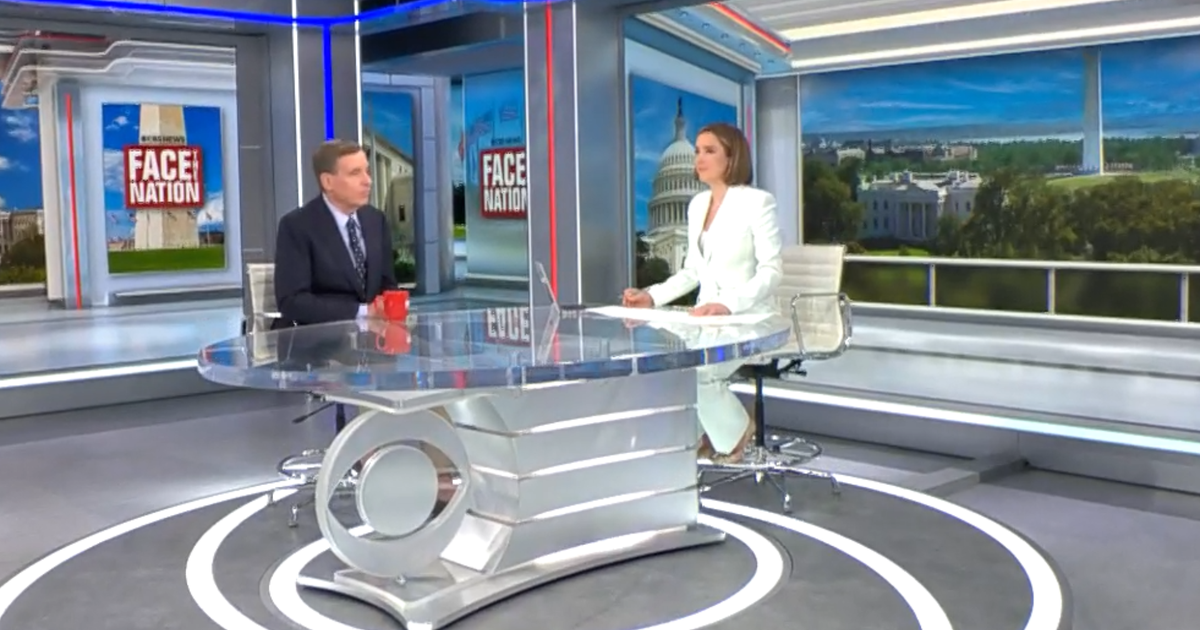
Source role: This is a verbatim transcript from CBS News' Face the Nation — a national broadcast that aggregates interviews with elected officials, administration appointees, and subject-matter experts. The program’s role is to inform and to challenge officials on live television. Missing voices: the transcript contains no primary intelligence documents, no on-the-record Iranian response, limited on-the-record confirmation from military operational sources, and no independent forensic review of the election-materials the president referenced. Incentives and framing: network broadcasts highlight conflict and controversy for public attention; guests include partisan actors and former officials whose assessments reflect institutional perspectives. Disputed claims requiring independent verification: the substance of the declassified intelligence the president cited; DHS/DOJ tallying methods for alleged noncitizen voters; and operational details around ICE stops and the presence/activation of vehicle lights or body cameras. What requires independent verification: release and technical assessment of the declassified intelligence, corroboration of casualty and operational accounts by DoD and independent military sources, and legal status/accuracy of the DHS/DOJ claims about voter-roll noncitizens.
Biblical Reflection
From a Christian pastoral standpoint, this broadcast puts two urgent responsibilities before believers: seek and speak truth, and pursue peace and protection for human life. The program reports deadly escalation between the U.S. and Iran — a grave reality that demands sober prayer and careful public discernment. At the same time, the program highlights a domestic political fight over election integrity where serious accusations (claims of ‘dangerous’ vulnerabilities) were aired publicly without the article documenting corroborating evidence. Christians should resist the rush to certainty on either front. Truth-seeking requires asking for evidence, protecting institutions that steward democratic trust (election officials, independent intelligence review), and refusing partisan shortcuts that erode public confidence. Mercy and neighbor-love call us to care first for those harmed — service members and their families, migrants caught in violent encounters, local election workers facing coercion — even while advocating for justice and lawful oversight. Humility demands that leaders and citizens defer to verifiable facts and to due process rather than mobilizing fear. Courage and peacemaking require pressing for de-escalation internationally and requiring transparency domestically so that public claims do not become instruments of division. In practical terms, Christians should pray for the dead, support those who serve and those who administer elections, and encourage leaders toward accountability that upholds both truth and peace.
Scripture in context
- 1Matthew 5:9 — In the Sermon on the Mount Jesus calls his followers 'peacemakers' in a section addressing discipleship, righteousness, and how the kingdom ethic contrasts with worldly power. The verse sits amid teaching on character and relationships rather than policy specifics. — The passage calls Christians to work for reconciliation and peace even in contexts of nation-level conflict and domestic division; it invites believers to pursue de-escalation, truth-telling, and protection of the vulnerable over partisan advantage.
Faithful Response
Pray regularly for the families of the deceased and for de-escalation; resist consuming or sharing unverified claims.
Support and encourage nonpartisan civic institutions and local election officials by offering practical help, respectful communication, and donations when appropriate.
Engage in informed civic conversations: request primary evidence for dramatic claims, favor verified sources, and model humility in public disagreements.
Reflection and Discussion
- 1What evidence would you require before accepting a public claim that could justify major policy or military steps?
- 2Who benefits if public confidence in elections is eroded, and what responsibilities do Christians have to protect democratic integrity?
- 3When officials make urgent national-security claims on television, how can community leaders ensure that proper oversight and transparency follow?
Sources
Reporting links are evidence inputs; Sanctuary News' biblical reflection is commentary.
This outlook currently relies on fewer than two linked sources. Broaden verification before teaching from it.
- 1.Full transcript of "Face the Nation with Margaret Brennan," July 19, 2026primary_reporting