News Summary
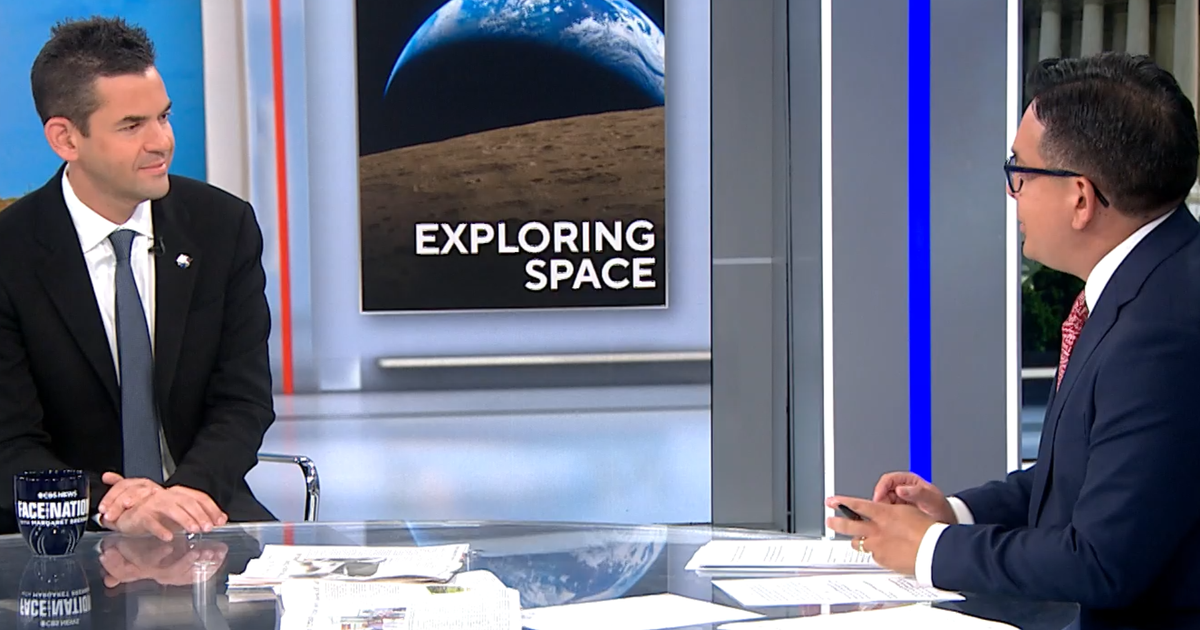
This is a full transcript of the July 5, 2026 Face the Nation broadcast. The show opened with coverage of Fourth of July celebrations and President Trump’s speech. Guests and segments included: interviews with Representatives Carlos Gimenez (R-FL) and Adriano Espaillat (D-NY) about immigration, Temporary Protected Status (TPS) for Haitian and Syrian nationals, Dreamers, farmworkers, and calls for bipartisan fixes; a report on the Artemis II mission and a studio interview with NASA Administrator Jared Isaacman about recent commercial and government-led space activity, a low-cost repair mission for the Swift telescope, Artemis III/IV schedules, competition with China, and Blue Origin’s New Glenn anomaly; a conversation with NCAA President Charlie Baker about changes in college sports, NIL revenue sharing, potential impacts on non-revenue sports, and eligibility rules; and a segment with former CDC chief medical officer Debra Houry recounting internal turmoil at HHS/CDC, website takedowns tied to political directives, disputes over vaccine messaging and autism research priorities, staffing cuts, and concerns about declining public trust. The program presented first-person accounts, official statements, and background reporting but did not introduce new official policy decisions during the broadcast.
Biblical Reflection
The program stitches together several national concerns—immigration, space leadership, collegiate athletics, and public-health governance—each carrying real human consequences. The interviews with immigrant members of Congress put faces and stories to policy debates and remind viewers that immigration discussions are not only technical but moral: they involve families, safety, and opportunity. The space reporting highlights a hopeful, creative pursuit that can unite people and advance knowledge, while also revealing geopolitical competition and commercial risk. The CDC-related segment raises a serious pastoral concern about the politicization of public health institutions and the erosion of expert trust: when scientific guidance is subordinated to political messaging or staffing decisions undermine capacity, public welfare and the vulnerable are harmed. Viewers should note the program’s tendency to frame these varied issues under a unifying patriotic narrative—this can inspire common purpose but may also smooth over structural conflicts and power dynamics. Christians should uphold truth and accountability (demanding clear, evidence-based public health and fair immigration policy), show mercy to those affected (immigrants, families, workers), and exercise humility about national pride when it risks eclipsing care for neighbors or the integrity of institutions.
Scripture in context
This outlook does not yet include contextual Scripture citations. Do not treat a general biblical theme as an exegetical conclusion.
Faithful Response
No prescribed response is offered. Consider the reflection prompts below in your own church context.
Reflection and Discussion
- 1Whose voices are centered in this coverage, and whose practical needs or vulnerabilities might be downplayed when the story is told primarily as a patriotic or competitive narrative?
- 2When public institutions are described as politicized, what concrete steps would restore both scientific integrity and public trust, and how should Christian civic witness call for accountability without demonizing individuals?
- 3How do we balance rightly ordered pride in national achievements (like space exploration) with a neighbor-focused ethic that prioritizes humane treatment for immigrants and responsible use of public resources?
Sources
Reporting links are evidence inputs; Sanctuary News' biblical reflection is commentary.
This outlook currently relies on fewer than two linked sources. Broaden verification before teaching from it.
- 1.Original reportprimary