News Summary
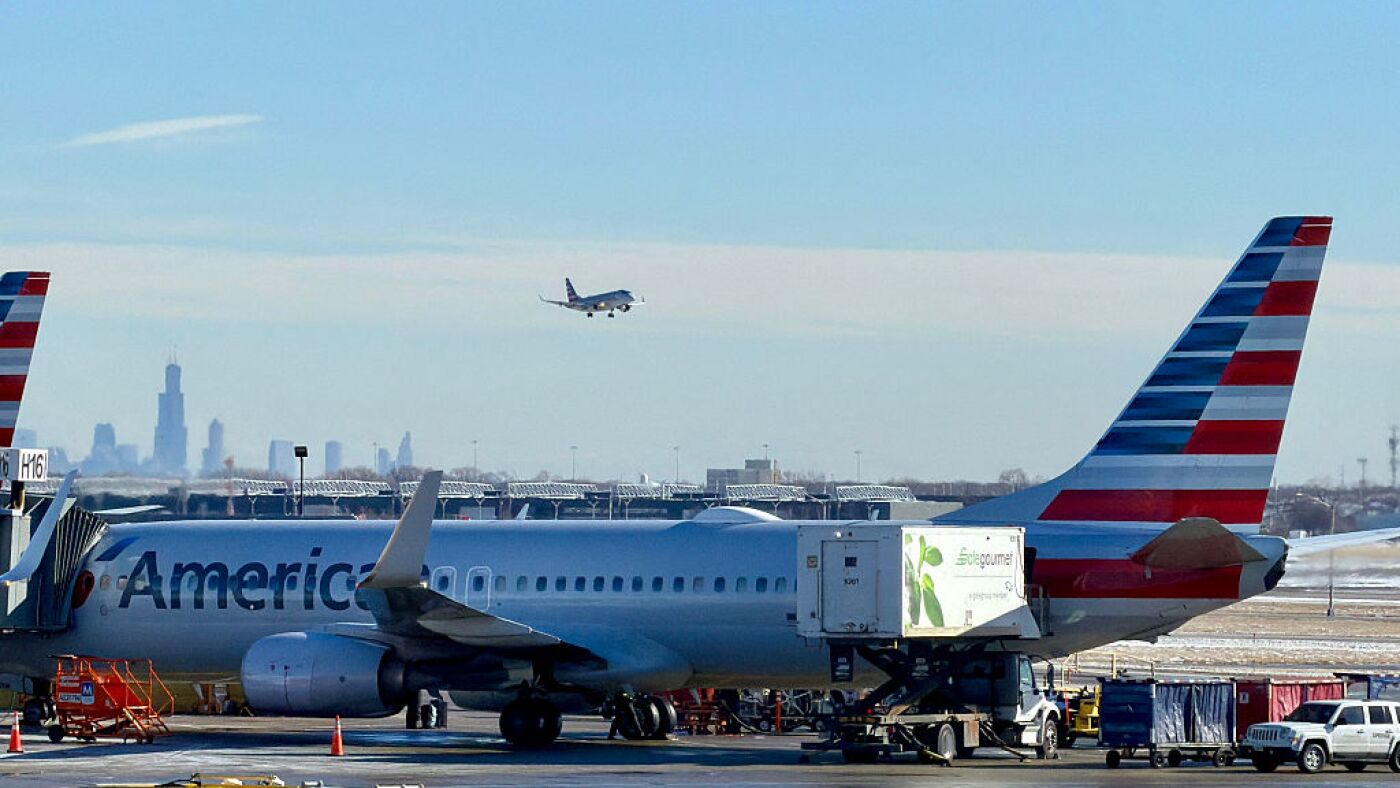
The FAA is proposing to limit the number of daily takeoffs and landings at Chicago O'Hare International Airport this summer after United Airlines and American Airlines significantly increased scheduled flights there. O'Hare has become the busiest U.S. airport by movements; daily operations were projected to rise from about 2,700 last summer to over 3,000 this year. The FAA expressed concern that such growth could "stress the runway, terminal, and air traffic control systems" and initially proposed a cap of 2,800 operations per day, later exploring caps near 2,600 or as low as 2,400 in meetings. The agency has convened discussions with airlines and the Chicago Department of Aviation (CDA) but has not finalized a plan. United and American have publicly sounded supportive of reductions or coordinated cuts, while the CDA opposes what it calls unwarranted constraints and argues the airport can handle 2,800 daily operations after recent expansion. Industry observers noted the FAA's proactive posture is unusual compared with past practice of waiting for disruptions before acting; firms and passengers expressed mixed reactions about potential route cuts and congestion relief.
Biblical Reflection
From a Christian perspective the story raises questions about stewardship of shared resources and the common good. Airports and air traffic control are public goods that require wise, forward-looking management; regulators exist to protect safety and equitable access when private competition risks overloading infrastructure. The article frames the issue largely as a "turf war" between rival carriers, which highlights a marketplace mindset where market share and corporate advantage can overshadow community impact and operational safety. That framing risks normalizing zero-sum competition even when cooperative restraint would better serve neighbors — workers, travelers, and the city's broader economy. The FAA's preventive action can be seen as an attempt at prudential governance: exercising authority to prevent foreseeable harm rather than waiting for crisis. Christians should affirm careful, humble governance that seeks the welfare of the wider community (not merely private profit), remain alert to media tendency to sensationalize corporate conflict, and remember that loving our neighbor sometimes requires limits on private choices for the sake of public safety and order.
Scripture in context
This outlook does not yet include contextual Scripture citations. Do not treat a general biblical theme as an exegetical conclusion.
Faithful Response
No prescribed response is offered. Consider the reflection prompts below in your own church context.
Reflection and Discussion
- 1Whose interests are centered in the story's language — the airlines', regulators', the city's, or the traveling public's — and how does that shape the narrative?
- 2Does the framing of this as a "turf war" obscure the responsibilities of public stewardship and safety that justify regulatory intervention?
- 3How should Christians evaluate trade-offs between competition and cooperative restraint when shared infrastructure and public welfare are at stake?
Sources
Reporting links are evidence inputs; Sanctuary News' biblical reflection is commentary.
This outlook currently relies on fewer than two linked sources. Broaden verification before teaching from it.
- 1.Original reportprimary