News Summary
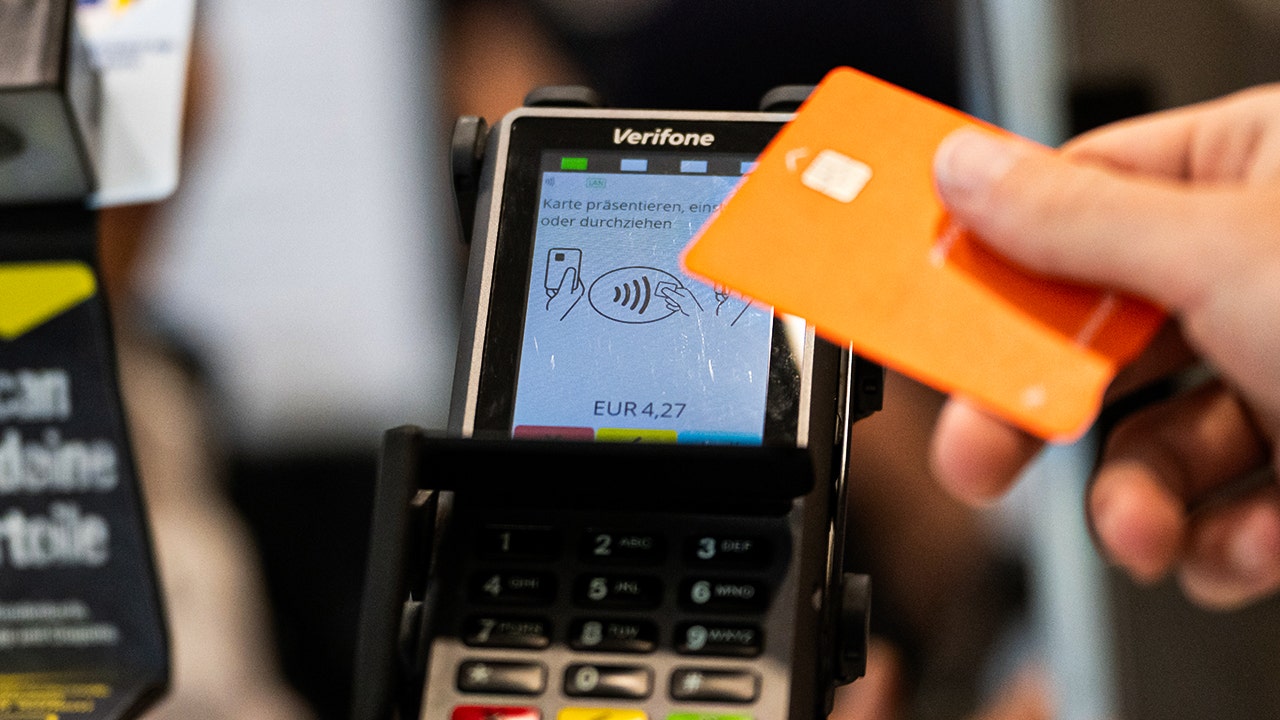
Experts and consumer-protection groups are warning about a rising pattern of small, unfamiliar contactless charges — often a few dollars — appearing on payment statements. The practice, described as "ghost tapping," involves either compromised payment terminals or unauthorized NFC readers that trigger low-value contactless transactions at close range. Scammers use these small charges to test whether card details or wallets are active; once a small charge is accepted, larger or repeated fraudulent transactions can follow. Because the transactions route through normal contactless payment networks, they often appear as ordinary card-present purchases on statements. Authorities cited include the Better Business Bureau, the Federal Trade Commission (FTC), and the Consumer Financial Protection Bureau (CFPB). Recommended consumer responses include checking transactions frequently, enabling real-time alerts for all charges, reporting unfamiliar charges immediately to card issuers, opening disputes promptly (including sending billing error notices within 60 days to preserve Fair Credit Billing Act protections), and cancelling/replacing compromised cards. The article also highlights preventive tools such as tokenized mobile wallets (Apple Pay, Google Pay), identity and credit-monitoring services, and fraud-resolution support offered by some identity-protection vendors. The piece contains promotional language directing readers to the author’s newsletter and product picks.
Biblical Reflection
From a Christian perspective this article highlights practical wisdom and stewardship: protecting resources and exercising vigilance are prudent and responsible acts (not fear-driven hoarding). The central moral points align with biblical calls to prudence, careful stewardship of money, and protecting the vulnerable from harm. Readers should also notice the article’s commercial framing — repeated promotion of identity-protection services and the author’s newsletter — which creates an incentive to push paid solutions. That doesn’t negate the factual warnings, but Christians should weigh recommendations critically: rely first on clear, free steps (monitoring statements, reporting fraud quickly, using bank protections) and use paid services judiciously. Spiritually, this story reveals how technological convenience (contactless payments) brings both benefits and new vulnerabilities; the prevailing secular worldview in the article emphasizes market/technical fixes and individual responsibility. Scripture supports prudence and accountability, but Christians should also remember communal responsibilities — sharing practical warnings with family, church members, and neighbors, and advocating ethical behavior from businesses and institutions. Avoid undue alarm or cynicism; cultivate a posture of sober vigilance (1 Peter 5:8) combined with trust in God’s care and practical action.
Scripture in context
This outlook does not yet include contextual Scripture citations. Do not treat a general biblical theme as an exegetical conclusion.
Faithful Response
No prescribed response is offered. Consider the reflection prompts below in your own church context.
Reflection and Discussion
- 1What incentives (advertising, affiliate relationships, or product recommendations) might shape how this article frames solutions, and how should that affect how you evaluate its recommendations?
- 2How can Christians balance prudent technological caution with trust in God so that vigilance doesn’t become anxiety or hoarding?
- 3Who in your community (elderly, less tech-savvy, financially vulnerable) would benefit if you proactively shared these practical protections and helped them set them up?
Sources
Reporting links are evidence inputs; Sanctuary News' biblical reflection is commentary.
This outlook currently relies on fewer than two linked sources. Broaden verification before teaching from it.
- 1.Original reportprimary