News Summary
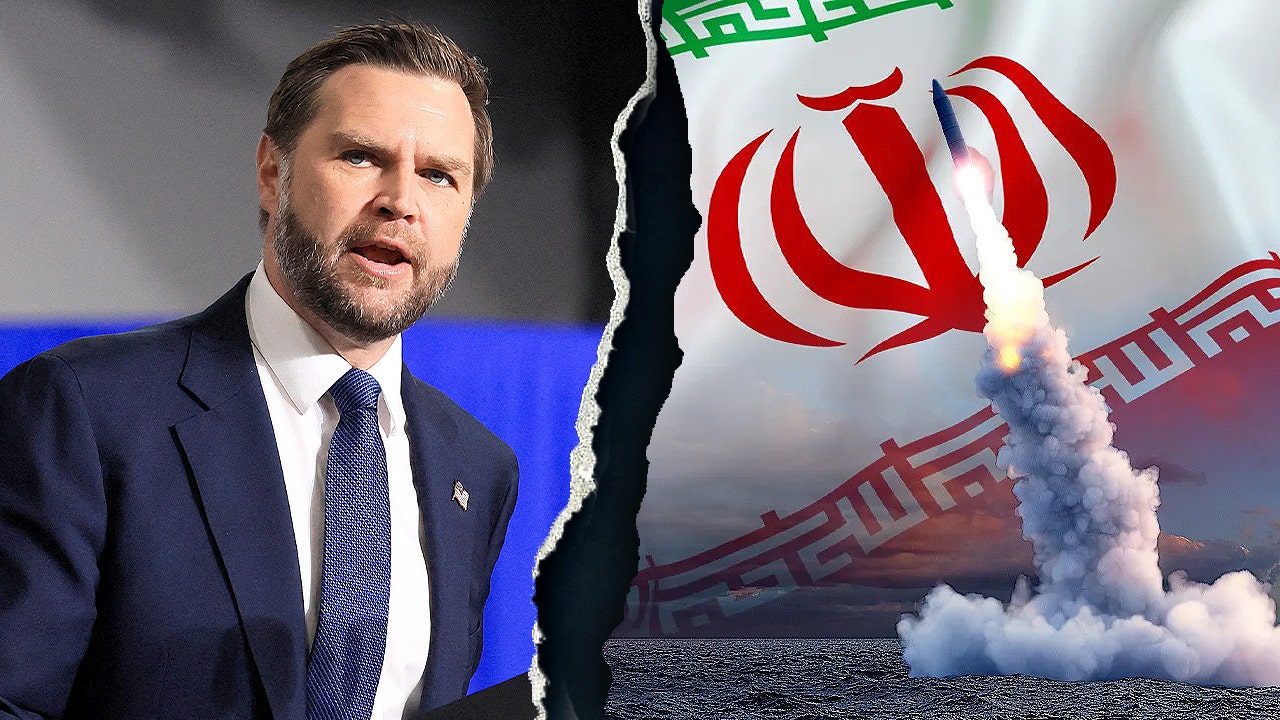
Vice President JD Vance said Iran has agreed to allow IAEA nuclear inspectors back into the country. The White House and administration officials say a reported U.S.-Iran memorandum of understanding (MOU) creates a negotiating framework but leaves key verification and stockpile issues to be worked out in follow-on talks. The MOU reportedly lists onsite 'downblending' of enriched uranium under IAEA supervision as the minimum acceptable method but does not finalize how Iran’s enriched uranium stockpile will be handled. Nuclear experts quoted in the article say the IAEA currently lacks full in-field verification access to Iran’s declared facilities after last year’s strikes; aside from a single June inspection at one power plant, the IAEA has not been given access to other declared sites and has not received current information about their status. Experts warn that without immediate, unfettered onsite inspections and secured accounting of Iran’s enriched uranium, Tehran could retain control of material that might be further enriched. Estimates cited note Iran’s enriched material could be sufficient, if recovered and further processed, to produce multiple weapons depending on design sophistication. Critics say the Obama-era JCPOA allowed inspection limits and delays that should be avoided; U.S. officials say the MOU requires Iran to reaffirm it will not pursue nuclear weapons and that negotiators will press for dismantlement, enrichment bans, and inspection access in subsequent talks. The IAEA had not issued a public comment for the article.
Biblical Reflection
This story centers on a real, high-stakes policy question: whether verification and access under a new U.S.-Iran framework will be robust enough to prevent nuclear reconstitution. The reporting emphasizes concerns voiced by U.S. officials and nonproliferation experts about inspection access and the unresolved status of Iran’s enriched uranium. As Christians we should seek truth and beware partial narratives: the article foregrounds U.S. and Western expert voices and administration claims while providing little direct Iranian perspective or an IAEA response, which can shape readers toward suspicion without full context. Biblically-informed discernment asks us to value both justice and mercy—pursuing rigorous verification and accountability to protect innocent lives, while resisting dehumanizing rhetoric that makes diplomatic compromise impossible. Prudence and courage are needed in public judgment: demand transparency and concrete verification measures (truth, accountability) but pray for negotiators to pursue solutions that reduce the risk of war (peace, neighbor-love). Finally, be alert to political framing: phrases like 'major milestone' or references to prior agreements may be used to justify either haste or delay; evaluate claims against independent technical verification and the IAEA’s findings rather than partisan reassurance.
Scripture in context
This outlook does not yet include contextual Scripture citations. Do not treat a general biblical theme as an exegetical conclusion.
Faithful Response
No prescribed response is offered. Consider the reflection prompts below in your own church context.
Reflection and Discussion
- 1Whose voices are foregrounded or missing in this reporting, and how does that shape our assessment of the deal’s credibility?
- 2Are calls for strong verification aimed at protecting the vulnerable and preventing war, or do they risk hardening attitudes that undermine diplomatic solutions?
- 3What concrete verification steps would move this from promise to proof, and are we judging the proposal by those measurable standards?
Sources
Reporting links are evidence inputs; Sanctuary News' biblical reflection is commentary.
This outlook currently relies on fewer than two linked sources. Broaden verification before teaching from it.
- 1.Original reportprimary