News Summary
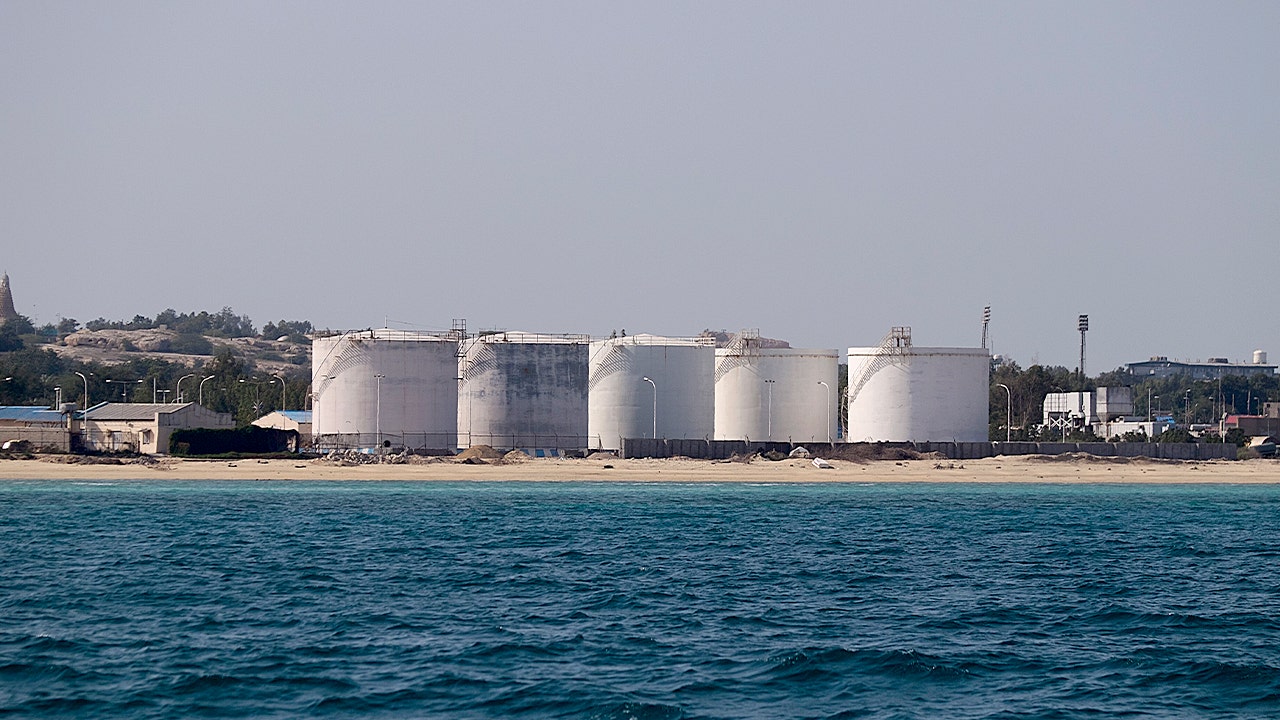
Reports say the Trump administration is weighing options that could include a direct U.S. strike on Kharg Island, Iran’s primary oil export terminal that handles roughly 90–95% of the country’s crude exports and sits near the Strait of Hormuz. Retired military officers and a leading energy analyst told Fox News that while an assault on Kharg has been discussed, striking the terminal would carry heavy strategic consequences. Dr. Sara Vakhshouri argued such an attack would align with former President Trump’s “energy dominance” doctrine by using control of energy flows as geopolitical leverage, but warned it would likely trigger a sharp oil-price spike, market instability, and retaliation against regional energy infrastructure. Retired Brig. Gen. Mark Kimmitt suggested an assault on Kharg was a possible military action under consideration. Analysts caution that disabling Kharg could remove a restraint in the conflict, provoke wider regional strikes on energy facilities, disrupt tanker traffic through the Strait of Hormuz, and produce prolonged volatility in global oil markets. The White House did not comment in the article.
Biblical Reflection
From a biblical perspective this story raises several spiritual and ethical questions about the use of force, the wielding of economic leverage, and the protection of the innocent. Scripture recognizes the role of governing authorities to restrain evil and protect citizens (e.g., Romans 13), yet it also repeatedly warns against pride, vengeance, and harming the vulnerable (Proverbs; Matthew 5:9). Intentionally striking a major oil hub would likely cause widespread economic pain and endanger civilians—both locally and globally—particularly the poor who are most affected by energy-price shocks. The idea of "energy dominance" as statecraft should be measured against Christian virtues: humility, stewardship, and love of neighbor. Pursuing geopolitical advantage through actions that foreseeably inflict civilian suffering or escalate war conflicts the biblical call to pursue peace and to act justly (Micah 6:8). At the same time, the Bible does not demand naïveté about evil; seeking to protect innocent lives and deter aggression can be a moral obligation, but must be exercised with sober wisdom, clear accountability, and exhausting efforts at nonviolent options first. Practically, Christians should pray for wisdom for leaders, advocate for policies that minimize harm to civilians, and remain attentive to the real human costs behind geopolitical maneuvers rather than partisan narratives or strategic triumphalism.
Scripture in context
This outlook does not yet include contextual Scripture citations. Do not treat a general biblical theme as an exegetical conclusion.
Faithful Response
No prescribed response is offered. Consider the reflection prompts below in your own church context.
Reflection and Discussion
- 1How should Christians weigh the responsibility of governments to protect citizens against the command to pursue peace and care for the vulnerable?
- 2In what ways might economic or military strategies that aim for dominance inadvertently harm those Jesus calls us to love, and how should we respond?
- 3What can I pray for and do now to support victims of geopolitical conflict and to encourage leaders toward wise, accountable decisions?
Sources
Reporting links are evidence inputs; Sanctuary News' biblical reflection is commentary.
This outlook currently relies on fewer than two linked sources. Broaden verification before teaching from it.
- 1.Original reportprimary