News Summary
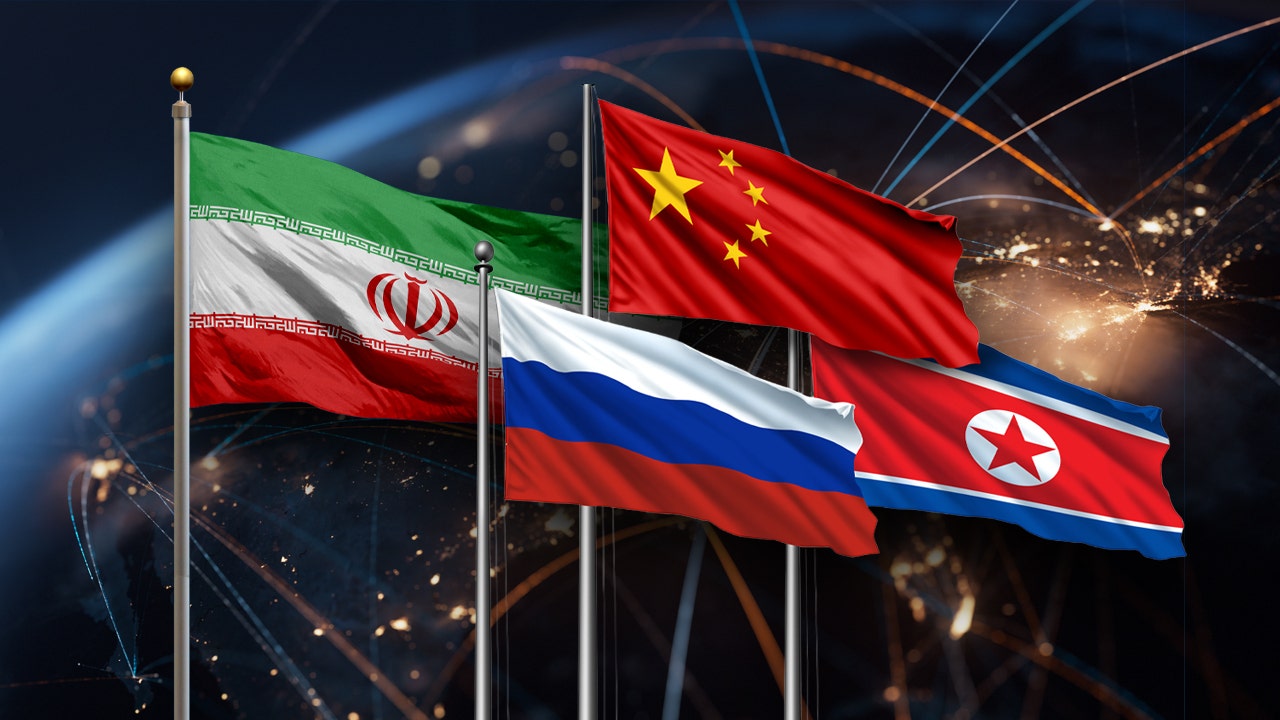
The article reports that Iran, North Korea, Russia and China are using stolen identities, forged documents, front companies, nominee directors and malware-based identity theft to run coordinated financial fraud and sanctions-evasion inside the U.S. financial system. It describes methods including exchange houses and shell companies in jurisdictions such as the UAE and Hong Kong, accounts opened with stolen or synthetic identities, and multilayered transaction flows intended to obscure the origin of funds. The piece cites a June 6, 2025, OFAC action sanctioning more than 40 individuals and entities linked to the Zarringhalam brothers for laundering billions through Iran’s shadow-banking network, including routing proceeds from oil and petrochemical sales. It says North Korea places IT workers in U.S. companies using fabricated or synthetic identities to generate legitimate payroll flows that feed laundering pipelines. It attributes large identity datasets to past breaches (notably the 2015 Office of Personnel Management breach linked to Chinese actors) and names Russia-linked infostealer malware operations as major suppliers of stolen identity components to underground markets. The author, Dr. David Maimon (head of Fraud Insights at SentiLink), argues these state actors are heavy users — and in some cases primary suppliers — of the same dark-web identity-fraud ecosystem used by ordinary criminals, and contends most U.S. institutions are not currently prepared to treat this as a national-security threat.
Biblical Reflection
From a Christian perspective, the facts reported raise moral and practical concerns that align with biblical teachings about honesty, justice and the protection of the vulnerable. The tactics described — theft of personal information, deception in identity and corporate forms, and the diversion of funds to weapons and proxies — are forms of theft and deceit that Scripture condemns. At the same time, the article is an opinion/security analysis piece: it highlights genuine evidence (OFAC sanctions, known data breaches) but also uses broad, urgent language that can amplify fear and securitized framing. Readers should discern between documented incidents and generalized threat statements. Spiritually, Christians are called to pursue truth, defend the innocent, and work for justice (Micah 6:8). That implies supporting accurate investigation, stronger protections for personal data, and measured public policy responses rather than panic or scapegoating. Watch for biases in any media account that emphasize threat amplification or political framing; ask whether proposed solutions protect victims, respect civil liberties, and cultivate wise stewardship of resources. Finally, remember that responding to wrongdoing requires both justice (holding perpetrators accountable) and mercy (caring for those harmed), and that Christian witness should model integrity and calm stewardship in the face of complex international wrongdoing.
Scripture in context
This outlook does not yet include contextual Scripture citations. Do not treat a general biblical theme as an exegetical conclusion.
Faithful Response
No prescribed response is offered. Consider the reflection prompts below in your own church context.
Reflection and Discussion
- 1Which parts of this report are supported by named, verifiable actions (e.g., OFAC sanctions, documented breaches) and which are broader assessments or interpretations that merit further evidence?
- 2How does framing financial crime as a national-security threat change the kinds of solutions proposed, and do those solutions align with biblical concerns for justice, protection of the innocent, and wise stewardship?
- 3Are we allowing fear or political rhetoric to overshadow practical steps — stronger data protection, support for victims of identity theft, ethical corporate behavior — that Christians can advocate for and support?
Sources
Reporting links are evidence inputs; Sanctuary News' biblical reflection is commentary.
This outlook currently relies on fewer than two linked sources. Broaden verification before teaching from it.
- 1.Original reportprimary