News Summary
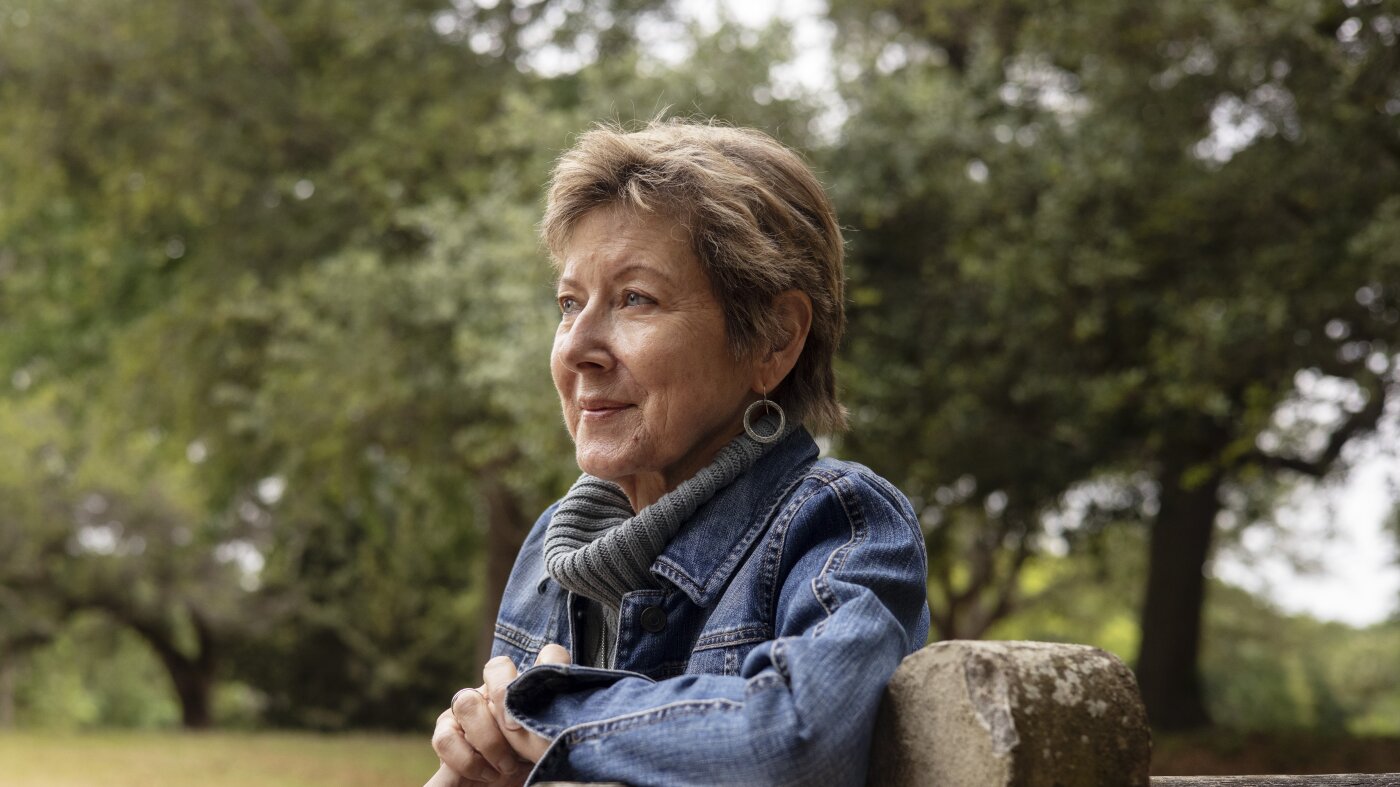
Vicky Stinson, a 65‑year‑old diagnosed with Stage III pancreatic cancer in 2024, participated in a clinical trial of daraxonrasib, an oral RAS inhibitor. After 13 months on the drug she experienced disease control and fewer side effects than typical chemotherapy, but the cancer later recurred and progressed to Stage IV in her ovaries, requiring a return to chemotherapy. New clinical-trial data published in The New England Journal of Medicine showed daraxonrasib produced a median progression‑free interval of about 8–9 months versus 2–3 months for standard chemotherapy in the studied patients. The drug class targets cancers driven by specific RAS mutations; similar approaches have been important in other cancers. The FDA granted expanded access to daraxonrasib before formal approval. Other experimental approaches mentioned include individualized mRNA cancer vaccines (a small German study reported strong immune responses and long survivals in some patients), and an FDA‑approved device delivering tumor‑treating fields to the abdomen. Pancreatic cancer affects roughly 70,000 Americans yearly, about 80% are diagnosed at late stages, and the five‑year survival rate is approximately 13%. Researchers describe biological and anatomical challenges in detecting and treating pancreatic tumors (deep location, a protective tumor microenvironment, and propensity to spread).
Biblical Reflection
This article reports real advances in cancer research while centering a patient’s story of hope and loss. From a Christian perspective, it is right to welcome scientific progress that reduces suffering and extends life — medical research is a stewardship of human intellect and means that can relieve pain and preserve relationships. The piece largely adheres to factual reporting: it notes both measured benefits and ongoing limits (side effects, later progression, small early vaccine trials), which tempers hype. Still, readers should note two common framings: (1) an optimism bias that treats imminent breakthroughs as near‑certain cures, and (2) a hero‑narrative that can underplay inequities of access and the everyday suffering of many patients who will not benefit quickly. Biblically, hope is to be tempered by humility about human limits and dependence on God (Psalmic lament and trust co‑exist). Christians should celebrate treatments that restore health and time with loved ones, advocate for fair access, and resist reducing ultimate hope to medical triumph. The article invites compassionate response — prayer, support for patients and researchers, and wise discernment regarding expectations and resource allocation.
Scripture in context
This outlook does not yet include contextual Scripture citations. Do not treat a general biblical theme as an exegetical conclusion.
Faithful Response
No prescribed response is offered. Consider the reflection prompts below in your own church context.
Reflection and Discussion
- 1Does the article balance warranted hope for new treatments with clear communication about uncertainties, trial size, and likely timelines, or does its language risk creating premature certainty?
- 2Whose experiences are centered or omitted — are issues of access, cost, and equity addressed when new therapies are described as transformative?
- 3How does the piece reflect a worldview that trusts human ingenuity; where should this confidence be held alongside a theological humility about suffering, mortality, and God's sovereignty?
Sources
Reporting links are evidence inputs; Sanctuary News' biblical reflection is commentary.
This outlook currently relies on fewer than two linked sources. Broaden verification before teaching from it.
- 1.Original reportprimary