News Summary
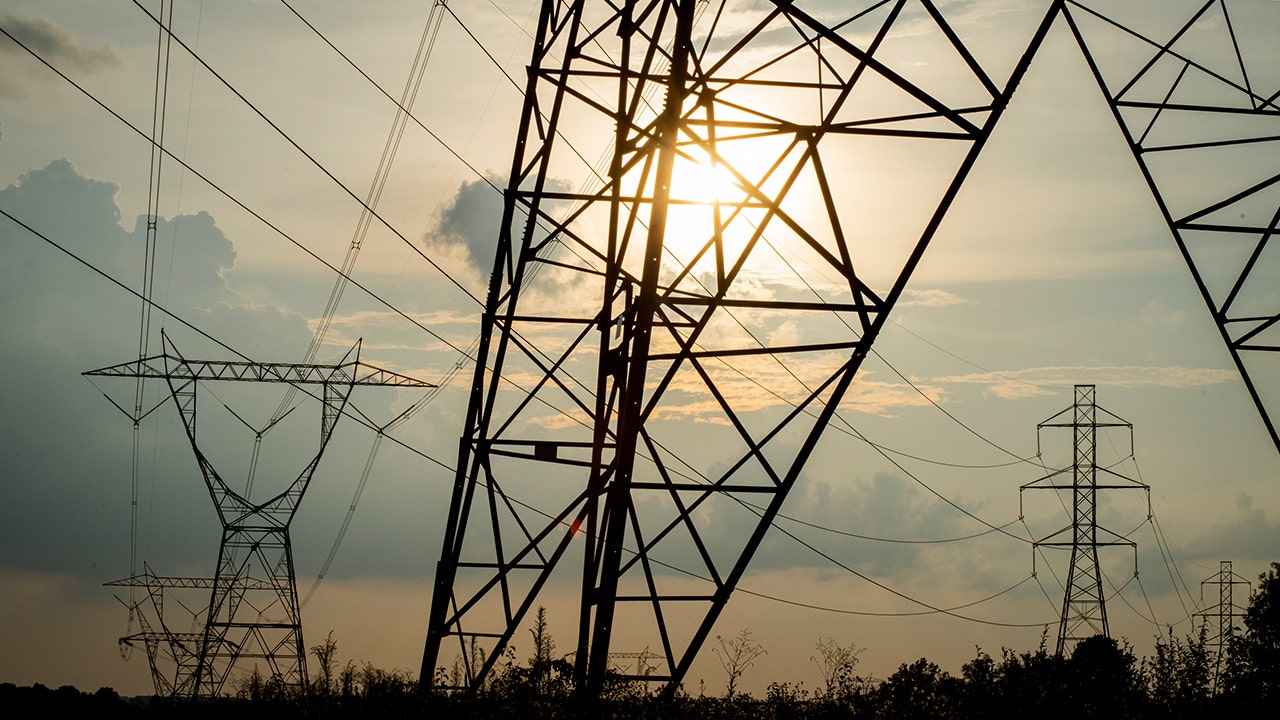
Calvin Butler, president and CEO of Exelon, wrote an opinion piece saying U.S. electricity demand is rising rapidly (driven by data centers, manufacturing, population growth and electrification) while new generation is not being built fast enough. He cites a nearly 30% increase in the average monthly electric bill between 2021 and 2025 (per the National Energy Assistance Directors Association) and says about 75% of recent bill increases across Exelon’s utilities are tied to wholesale generation costs. The piece warns of tighter supply and elevated risks of summer shortfalls (citing the North American Electric Reliability Corporation) and attributes higher costs and volatility to supply falling behind demand. Butler proposes an “all‑of‑the‑above” energy strategy — including energy storage, nuclear, natural gas, renewables, transmission upgrades, faster permitting and allowing regulated utilities in some cases to develop and own generation — and references a Charles River Associates analysis that finds utility ownership could save up to $20 billion annually and reduce outage risk. He notes Exelon’s responses: a $60 million Customer Relief Fund and investments in grid strengthening. The article is an opinion/advocacy piece by the Exelon CEO.
Biblical Reflection
This is a policy argument from a utility executive grounded in several verifiable facts (rising demand, plant retirements, rising wholesale costs) and in service of a prescribed solution set. The piece rightly centers the real burdens rising bills place on families and calls for practical infrastructure responses. At the same time, it is an advocacy op‑ed from an industry leader and therefore carries institutional interests: proposals like permitting regulated utility ownership of generation or prioritizing rapid build‑out may shift costs, risks, and regulatory dynamics in ways that deserve independent scrutiny. Christians should appreciate the concern for neighbors under financial strain and support efforts that protect the vulnerable and ensure reliable service. Yet prudence calls us to evaluate claimed savings and trade‑offs (environmental stewardship, long‑term costs, equitable cost allocation, and demand‑side measures such as conservation and efficiency). The article reflects a technocratic, growth‑and‑build worldview that prizes material infrastructure as the primary remedy; a Christian response affirms the need for reliable, affordable energy while also asking how solutions honor care for the poor, creation care, transparency about vested interests, and humility in forecasting outcomes.
Scripture in context
This outlook does not yet include contextual Scripture citations. Do not treat a general biblical theme as an exegetical conclusion.
Faithful Response
No prescribed response is offered. Consider the reflection prompts below in your own church context.
Reflection and Discussion
- 1Whose interests are centered in this recommendation (consumers, utilities/investors, or communities affected by new projects), and how might that shape the proposed solutions?
- 2What trade‑offs are being downplayed when the focus is solely on quickly increasing supply, and where should we demand independent cost, environmental, and equity analyses?
- 3How can policy balance urgent relief for struggling families with long‑term stewardship of the environment and fair allocation of costs?
Sources
Reporting links are evidence inputs; Sanctuary News' biblical reflection is commentary.
This outlook currently relies on fewer than two linked sources. Broaden verification before teaching from it.
- 1.Original reportprimary