News Summary
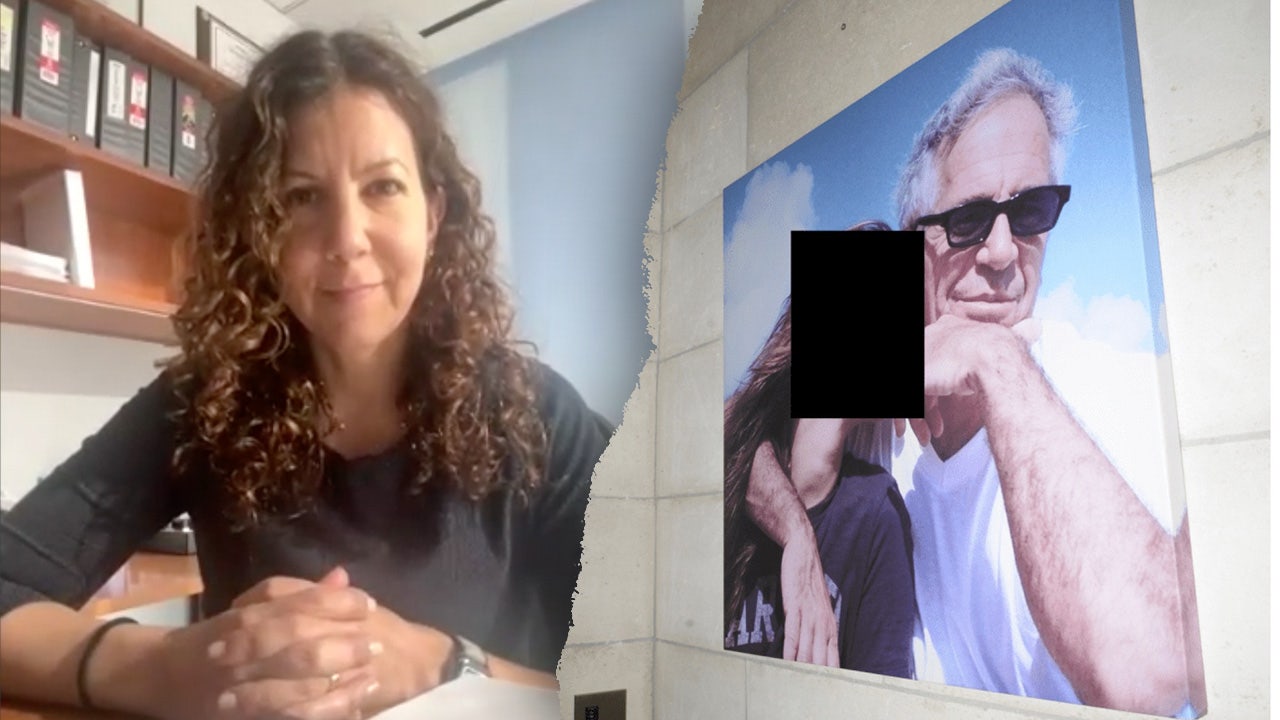
The article discusses criticism of the Department of Justice (DOJ) regarding its handling of the release of files related to Jeffrey Epstein, a financier accused of sex-trafficking minors who died in prison in 2019. Former federal prosecutor Sarah Krissoff argues that the DOJ had the capacity to fully and promptly disclose all Epstein-related documents as required by the new Epstein Files Transparency Act, signed into law by then-President Trump. The law mandates the release of Epstein-related files within 30 days, with certain exceptions to protect victims. However, the DOJ's initial release was heavily redacted, leading to bipartisan criticism and accusations of non-compliance with the law. Lawmakers and the public have expressed frustration at the lack of full disclosure, raising concerns about transparency and potential attempts to shield individuals not charged with crimes. Krissoff highlights that this situation is unusual, as it involves a level of public interest and legislative mandate not typically seen in criminal case files. The DOJ has committed to releasing additional documents on a rolling basis.
Biblical Reflection
Scripture repeatedly calls for justice and truth, particularly for the protection of the vulnerable and the exposure of hidden wrongdoing (see Ephesians 5:11). The controversy over the DOJ’s handling of the Epstein files highlights the biblical tension between uncovering darkness for the sake of justice and exercising wisdom in protecting the innocent or uncharged. While the law now requires transparency, the hesitation or partial disclosure raises questions about accountability and integrity—values that are central to a biblical worldview, especially when the powerful and privileged are involved. The public’s demand for openness aligns with a biblical call to expose evil deeds and to seek justice for the oppressed. At the same time, scripture warns against bearing false witness and condemning the innocent (Exodus 23:1-2). Christians should pray for wisdom for those in authority, advocate for truth and justice, and remember that ultimately, God will bring all things hidden to light (Luke 8:17). In a world marred by corruption and secrecy, believers are called to be both discerning and courageous in the pursuit of righteousness.
Scripture in context
This outlook does not yet include contextual Scripture citations. Do not treat a general biblical theme as an exegetical conclusion.
Faithful Response
No prescribed response is offered. Consider the reflection prompts below in your own church context.
Reflection and Discussion
- 1How can we balance the call for justice and transparency with the need to protect those who may be wrongly implicated?
- 2In what ways are we tempted to hide or ignore uncomfortable truths in our own lives or communities?
- 3How can you be an advocate for truth and justice in your sphere of influence?
Sources
Reporting links are evidence inputs; Sanctuary News' biblical reflection is commentary.
This outlook currently relies on fewer than two linked sources. Broaden verification before teaching from it.
- 1.Original reportprimary