News Summary
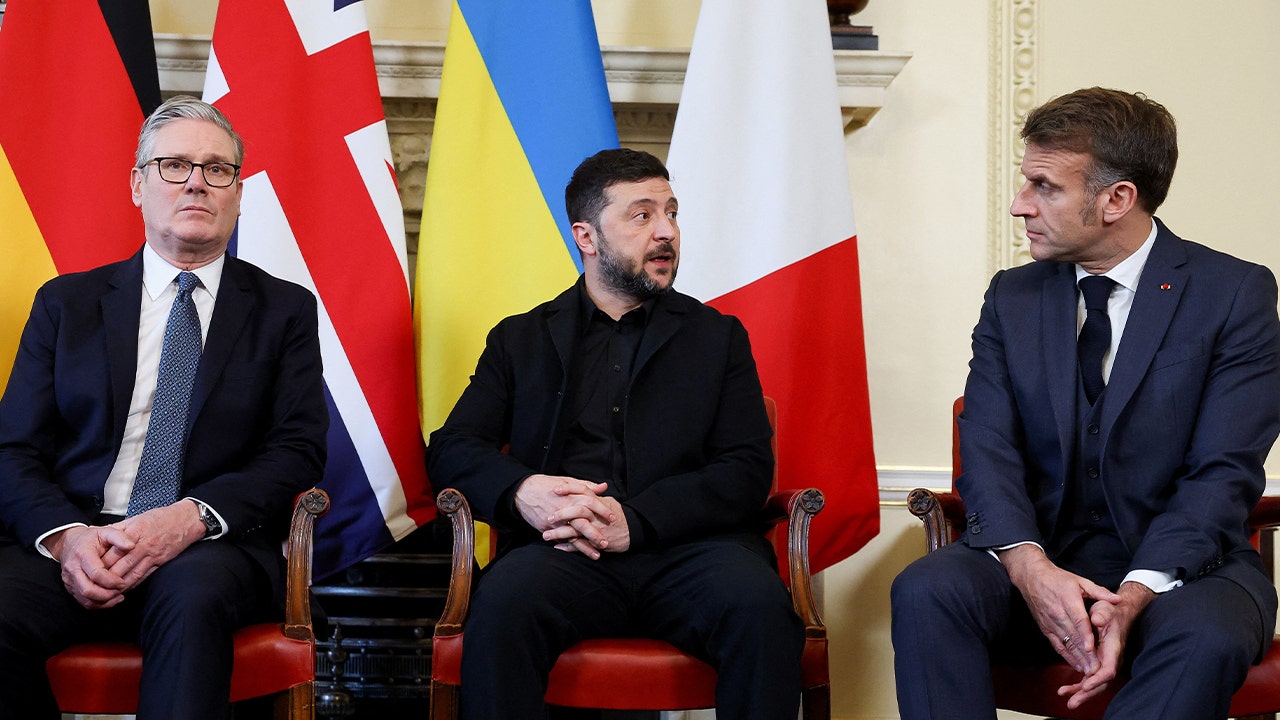
The article discusses recent developments in efforts to end the war between Ukraine and Russia. Ukrainian President Volodymyr Zelenskyy has stated that Ukraine is nearly ready to present an updated peace plan to the United States after negotiations with European leaders. Zelenskyy insists that Ukraine will not cede any territory to Russia, citing Ukrainian law, international law, and moral obligations. This stance complicates peace proposals, some of which—reportedly drafted by U.S. and Trump administration envoys—were seen as too accommodating to Russian demands. These drafts included the potential loss of Ukrainian territory and did not offer a path to NATO membership for Ukraine, which is a core Ukrainian demand. The ongoing conflict is intensifying, with Russia increasing attacks and Ukraine facing resource shortages. The article also notes political turmoil within Ukraine, as key negotiators have been removed amid a corruption scandal. Diplomatic talks continue, but major obstacles to a peace deal remain.
Biblical Reflection
From a biblical perspective, the situation is fraught with moral complexity. Ukraine's refusal to surrender territory aligns with the scriptural principle of standing for justice and defending the oppressed (Psalm 82:3-4). The desire for peace is commendable, yet not at any cost—biblical peace is not mere absence of conflict, but the presence of justice and righteousness (Isaiah 32:17). Scripture cautions against unjust compromise for the sake of expediency (Proverbs 17:23; Micah 6:8). The temptation to broker peace by sacrificing the rights and safety of vulnerable populations is a recurring theme in history, and one Christians are called to resist. The pressure to reach a quick solution, potentially at Ukraine's expense, highlights the tension between pragmatic politics and moral conviction. Christians are called to pray for just and lasting peace—one that does not come at the cost of truth or the well-being of the weak. At the same time, all parties should seek humility, wisdom, and willingness to pursue reconciliation wherever possible, without resorting to oppression or deceit.
Scripture in context
This outlook does not yet include contextual Scripture citations. Do not treat a general biblical theme as an exegetical conclusion.
Faithful Response
No prescribed response is offered. Consider the reflection prompts below in your own church context.
Reflection and Discussion
- 1How can we discern when compromise is wise versus when it becomes unjust?
- 2Are we willing to stand up for justice even when it is costly or unpopular?
- 3What does true, biblical peace look like in the context of international conflict?
Sources
Reporting links are evidence inputs; Sanctuary News' biblical reflection is commentary.
This outlook currently relies on fewer than two linked sources. Broaden verification before teaching from it.
- 1.Original reportprimary