News Summary
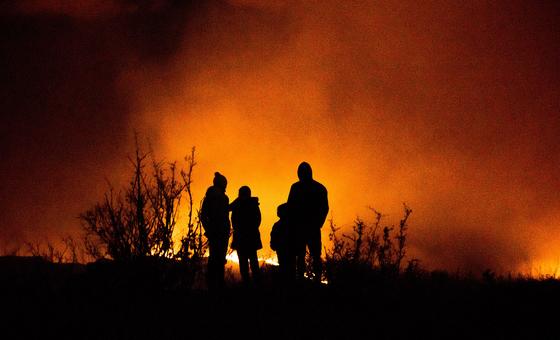
Reported facts: UN News (24 July 2026) reports that WHO Regional Office for Europe data show a 57% increase in land burned by wildfires across Europe over four years; the same report states Spain and France are battling major active blazes. Attributed claims: the 57% figure is attributed to WHO Europe; descriptions of ‘major blazes’ in Spain and France are reported by UN News. Uncertainties: the article excerpt supplied does not provide the WHO dataset, absolute burned-area figures, temporal details beyond 'four years', geographic breakdowns, casualty or displacement numbers, causes of fires, or details on firefighting and health impacts.
Source and Framing Analysis
Material uncertainty stems from limited data in the supplied report: a percentage increase is cited without base figures, units (hectares, km2) or the precise years compared. The piece frames the issue regionally and highlights Spain and France, which may reflect where the most visible emergencies are occurring now, but that framing leaves open how widespread or concentrated the increase is and what role climate, land management, or human activity played. Because the story rests on one secondary report quoting WHO Europe, additional primary data from WHO or national fire agencies would clarify scale and causes.
Biblical Reflection
This report points to a growing, region-wide threat with real human and environmental consequences. Christians should read such reporting with sober attention to the facts offered and to what remains unspecified: increases in burned land signal greater risks to vulnerable communities, strain on emergency responders, harm to creation, and public-health implications such as smoke exposure.
From a pastoral perspective, the story calls for both compassion and stewardship. Compassion requires concern for those displaced, injured, or whose livelihoods and homes are destroyed; stewardship demands that we consider how human choices, public policy, and care for creation intersect with rising wildfire risk. We should resist simplistic or fearful reactions and instead hold together truthful assessment, mercy for victims, and humble advocacy for prevention and resilience.
Christ-like responses include practical care for neighbors and careful public witness. That means supporting evacuation and relief efforts, urging policies that protect vulnerable populations and ecosystems, and engaging our communities to prepare for and mitigate future disasters. Christians can model calm, generosity, and patient truth-telling even when the broader conversation becomes politicized or anxious.
Scripture in context
- 1Genesis 2:15 — In the early chapters of Genesis, humanity is placed in the garden with the task to 'tend' and 'keep' it; the passage sets a relational and responsible role for humans toward creation within Israelite cosmology. — This text supports a view that caring for the environment is part of human vocation: responses to wildfire should include stewardship efforts to protect landscapes and communities, alongside immediate relief for affected people.
- 2Matthew 25:35-40 — In a teaching about the final judgment, Jesus commends those who serve hungry, thirsty, strangers, the naked, sick, and imprisoned, identifying such service as service to him. — The passage urges practical compassion for those harmed by disasters: Christians are called to help strangers and those in need in tangible ways—evacuation assistance, hospitality, donations, and advocacy for vulnerable populations.
Faithful Response
Pray for those affected and for responders; keep informed with reliable updates.
Support credible relief and evacuation organizations (financially or by volunteering) that assist displaced people and first responders.
Encourage local preparedness: help neighbors develop evacuation plans, care networks for the elderly or disabled, and community communication lists.
Engage in communal stewardship: join or support local environmental and land-management initiatives that reduce wildfire risk (where appropriate and informed by experts).
Advocate respectfully for policies that protect vulnerable communities, strengthen emergency services, and invest in climate resilience while listening to experts and affected people.
Reflection and Discussion
- 1Who are the most vulnerable in wildfire-prone regions, and how should a gospel-shaped response prioritize their protection and care?
- 2What tensions arise between immediate relief and long-term prevention, and how should Christians weigh both in public conversation?
- 3How does our theology of creation inform practical choices about land use, emergency preparedness, and support for scientific research into fire risk?
Sources
Reporting links are evidence inputs; Sanctuary News' biblical reflection is commentary.
This outlook currently relies on fewer than two linked sources. Broaden verification before teaching from it.
- 1.Wildfires surge across Europe as Spain and France battle major blazesofficial_document