News Summary
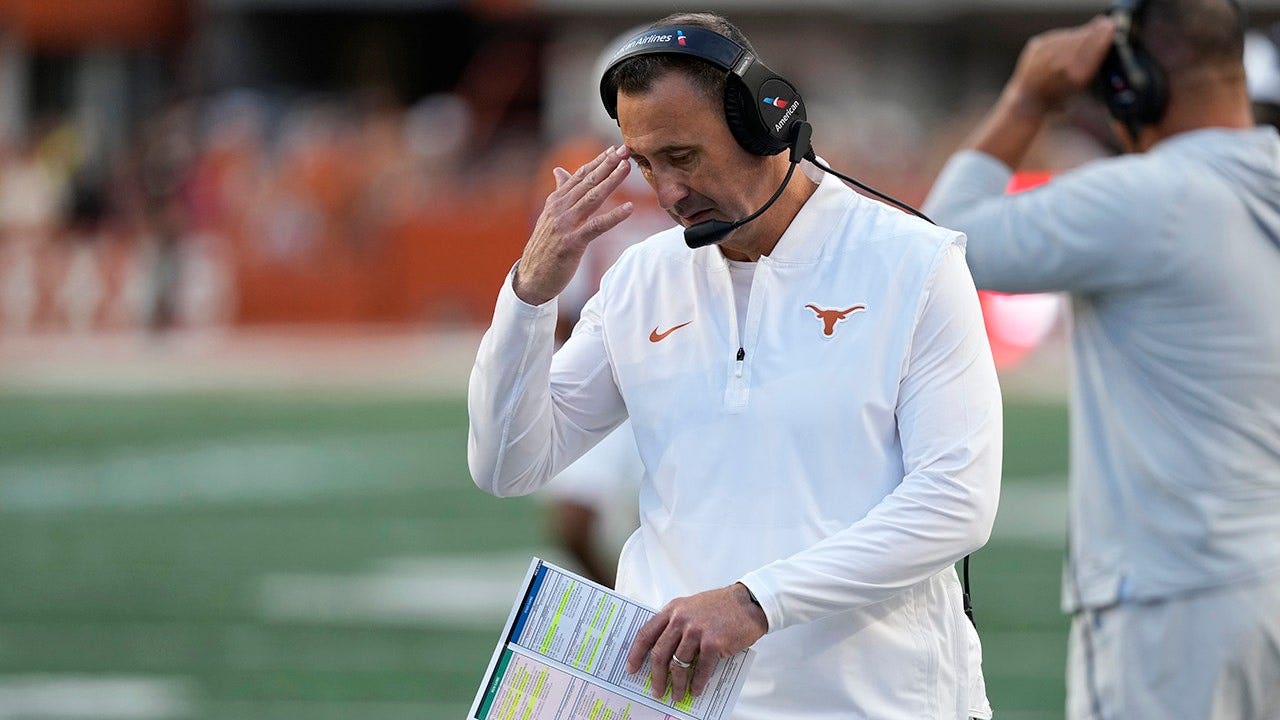
OutKick writer Austin Perry responds to online criticism of ESPN’s preseason Football Power Index (FPI). He explains FPI is a power-rating model that estimates team strength and neutral-site probabilities rather than a forecasted final ranking, and argues many social-media complaints conflate the two. Perry cites examples from recent seasons — Texas being preseason No. 1 in FPI but missing the playoff after an early road loss, and Florida having a high preseason FPI despite finishing 4–8 — to show how roster talent and close losses can separate ratings from final records. He notes 12 SEC teams appeared in the FPI top 25 and argues that number reflects the model’s inputs and championship odds, not necessarily deliberate SEC favoritism. He also points out non-SEC teams (Penn State, Clemson) were highly rated in a prior preseason FPI despite underperforming, suggesting the model rates roster talent and expected performance rather than guaranteeing outcomes. The piece concludes that FPI is imperfect but useful for predicting spreads and neutral-site win probabilities, and that much of the online outrage stems from misunderstanding its purpose. The article appears on Fox/OutKick and references comments from other media figures and recent college football seasons.
Biblical Reflection
The article highlights a common information challenge: technical tools (models, ratings) are often judged by audiences who expect clear, outcome-driven judgments. From a Christian perspective, this invites us to practice discernment and humility — discern what a tool is designed to do, and humbly accept uncertainty where it exists. The piece fairly corrects a category error (rating vs. ranking) and calls out noisy internet outrage, which aligns with truth-seeking. At the same time, it understates that models can reflect creators' assumptions and institutional incentives; healthy skepticism toward media and brands remains appropriate. Spiritually, the situation exposes how identity and pride can be tied to sports allegiances, provoking disproportionate anger over perceived slights. Christians should resist tribal reflexes that trade measured critique for online vitriol, while still speaking responsibly when legitimate bias or unfair coverage affects justice or truth. Charity toward analysts, patience with complexity, and a willingness to correct public misunderstandings are virtues to cultivate in conversations about media and data.
Scripture in context
This outlook does not yet include contextual Scripture citations. Do not treat a general biblical theme as an exegetical conclusion.
Faithful Response
No prescribed response is offered. Consider the reflection prompts below in your own church context.
Reflection and Discussion
- 1Am I judging this technical model by the outcomes I want rather than by what the model is designed to measure?
- 2How does quick online outrage shape my view of institutions, and does it push me toward assumptions about bias without evidence?
- 3Where can measured critique and charitable conversation replace reflexive anger in public discussions about media and expertise?
Sources
Reporting links are evidence inputs; Sanctuary News' biblical reflection is commentary.
This outlook currently relies on fewer than two linked sources. Broaden verification before teaching from it.
- 1.Original reportprimary