News Summary
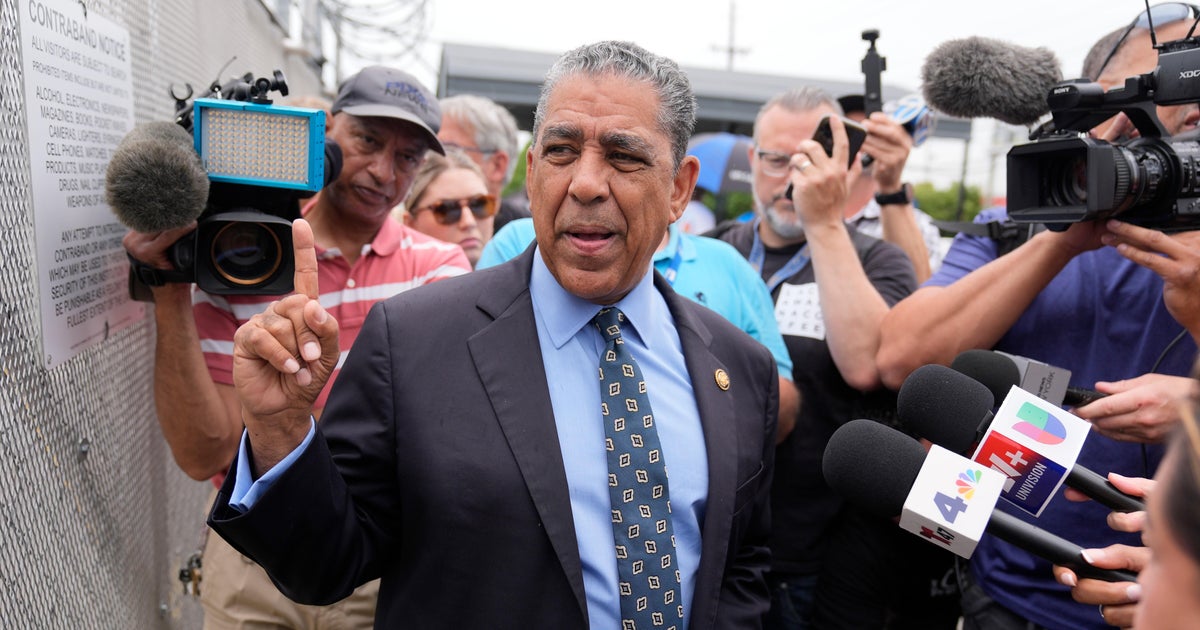
Five-term incumbent Rep. Adriano Espaillat lost the 2026 Democratic primary to newcomer Darializa Avila Chevalier. Avila Chevalier, a Dominican-descended democratic socialist and Muslim, was one of three progressive candidates backed by New York City Mayor Zohran Mamdani; all three of Mamdani’s picks won their races, and two defeated incumbents. Espaillat has chaired the Congressional Hispanic Caucus. Democratic House leaders publicly downplayed the significance of these losses for the party’s nationwide majority strategy, saying their focus remains on competitive battleground districts needed to win 218 seats. The campaign highlighted disagreements over Israel/Palestine: Avila Chevalier criticized Espaillat for accepting money from an AIPAC-linked super PAC and called his votes supportive of Israel; Espaillat accused her of participating in pro-Palestinian demonstrations and said she questioned Israel’s existence. The race also featured intra-community tensions and contested claims about identity and community representation; an Espaillat aide was reported to have accused Avila Chevalier of seeking to replace Dominican residents with Haitians and Muslims, claims Espaillat later sought to de-escalate. Espaillat received backing from Latino-focused and pro-Israel super PACs; Avila Chevalier campaigned to Espaillat’s left on immigration, housing and foreign policy. The district’s demographics have shifted in recent years, with Latinos comprising a majority of the population according to recent data.
Biblical Reflection
This story illustrates intra-party realignment, generational change, and contested priorities within a community that has long sought representation. The article’s framing leans into dramatic language ("political earthquake," "stunning upset") and highlights identity markers and funding sources that can inflame partisan and communal tensions. Christians should look for truth beneath the rhetoric: claims about a candidate’s motives or community intentions deserve careful scrutiny, and accusations that play on ethnicity, religion, or immigration status are morally fraught. At the same time, principled political disagreement — over foreign policy, spending, or housing — is normal and can be pursued without dehumanizing opponents. The pastoral response is to hold leaders to integrity, resist tribal smears, and prioritize policies that protect the vulnerable and promote peace. Pray for honest civic discourse, demand factual accountability (including about campaign money and public positions), and beware simplistic narratives that turn complex community dynamics into fodder for outrage.
Scripture in context
This outlook does not yet include contextual Scripture citations. Do not treat a general biblical theme as an exegetical conclusion.
Faithful Response
No prescribed response is offered. Consider the reflection prompts below in your own church context.
Reflection and Discussion
- 1Are the arguments against or for a candidate grounded in verifiable facts or in identity-based fears that obscure real policy differences?
- 2How does our community conversation change when leadership contests center on outside funding and polarizing foreign-policy issues?
- 3When political rhetoric escalates, whose interests are most likely to suffer — and how can Christians protect the vulnerable while speaking truthfully?
Sources
Reporting links are evidence inputs; Sanctuary News' biblical reflection is commentary.
This outlook currently relies on fewer than two linked sources. Broaden verification before teaching from it.
- 1.Original reportprimary