News Summary
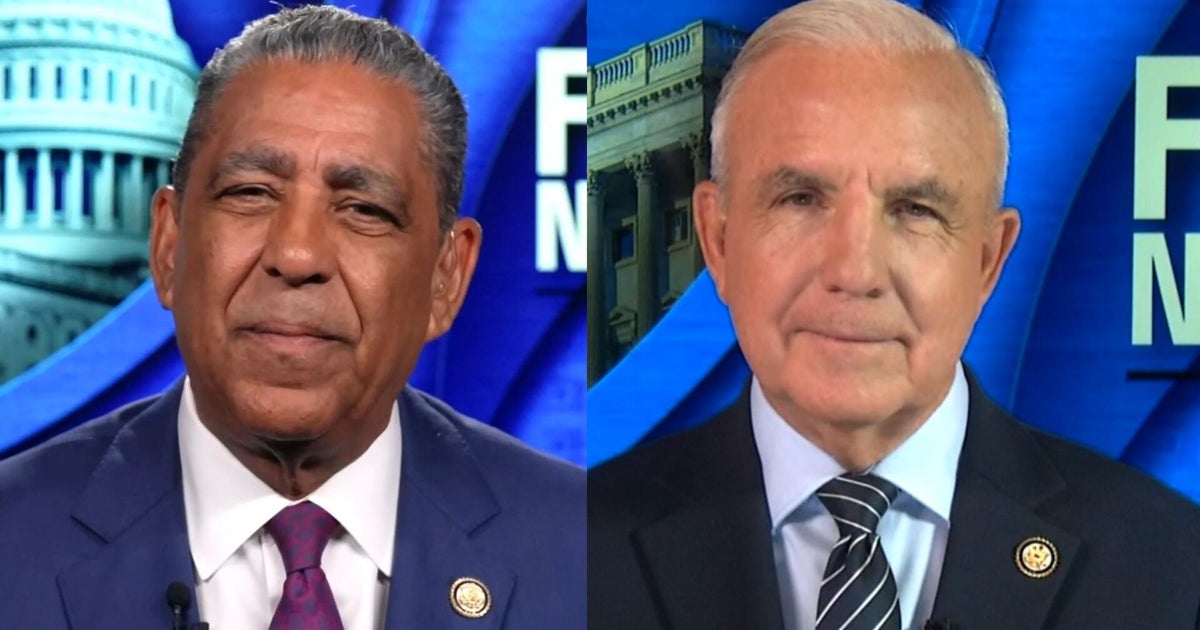
This is a full transcript of a July 2, 2026 interview (aired July 5) with Reps. Adriano Espaillat (D-NY) and Carlos Gimenez (R-FL) on immigration issues. Both members described their immigrant backgrounds. They reacted to recent Supreme Court rulings: justices affirmed that birthright citizenship is protected by the 14th Amendment (citing Wong Kim Ark precedent) and the court rejected administrative action that would have preserved TPS for some nationals, leaving decisions on TPS to the Homeland Security Secretary. Gimenez agreed with the Court’s interpretation of birthright citizenship but warned against 'birth tourism' and called for congressional fixes to limit abuses; he also argued for securing the border first and then normalizing the status of many undocumented immigrants so they can work and pay taxes. Espaillat emphasized the 14th Amendment and historical precedent, noted birthright tourism is small relative to the total, and framed citizenship as opportunity; he urged congressional protections for Dreamers, farmworkers, family unity, and TPS recipients, and advocated bipartisan solutions. Both stressed the need for pragmatic, bipartisan immigration reforms, with overlapping support for protecting vulnerable populations (e.g., Haitians, Venezuelans) and for regularizing long-term residents like DACA beneficiaries.
Biblical Reflection
The interview presents two experienced legislators who largely agree on core realities: U.S. legal precedent supports birthright citizenship, and TPS decisions carry serious humanitarian consequences. Factually, their statements align with established case law (Wong Kim Ark) and with the purpose of TPS as temporary protection for people from unsafe countries. From a Christian pastoral perspective, the conversation raises two key moral priorities that must be held together: the rule of law and compassion for vulnerable neighbors. Gimenez emphasizes order, border security, and preventing perceived abuses; Espaillat emphasizes welcome, opportunity, and protecting families and the persecuted. Both impulses can reflect biblical commitments — to justice, stewardship, and hospitality — but each can also be distorted. Security-first rhetoric can become distant from the human cost of removal; a welcome-first posture can overlook legitimate governance needs. Christians should weigh candidates’ and leaders’ words by whether policies protect the vulnerable (widows, orphans, the foreigner) while also seeking sustainable, lawful solutions that promote common flourishing. Because this is an interview, not a policy change, its immediate material consequences are limited, but it does clarify positions that will shape ongoing legislative debates and the moral framing around immigration.
Scripture in context
This outlook does not yet include contextual Scripture citations. Do not treat a general biblical theme as an exegetical conclusion.
Faithful Response
No prescribed response is offered. Consider the reflection prompts below in your own church context.
Reflection and Discussion
- 1Does the way leaders describe immigration prioritize human dignity and family unity as primary goods, or does it reduce people to policy problems and political leverage?
- 2How does legal precedent shape our moral responsibilities — when the law affords protection, what obligations follow for ordinary citizens and their representatives?
- 3Are proposed 'fixes' framed to solve real human harms or to score political points, and how can Christians discern the difference?
Sources
Reporting links are evidence inputs; Sanctuary News' biblical reflection is commentary.
This outlook currently relies on fewer than two linked sources. Broaden verification before teaching from it.
- 1.Original reportprimary