News Summary
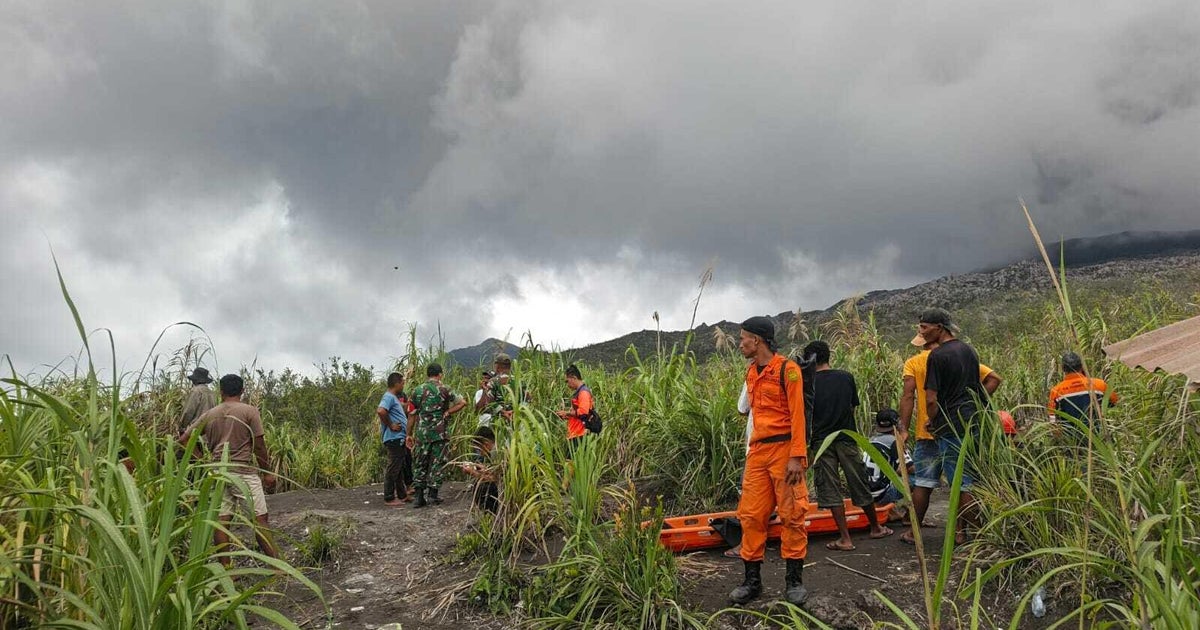
On May 8, 2026, Mount Dukono on Halmahera island, Indonesia, erupted while a group of 20 hikers was on its slopes. The eruption occurred in an area that authorities had declared off-limits. Officials reported at least three fatalities — two Singaporean nationals and one Indonesian local — and said several others were missing. Fifteen climbers had descended safely; some hikers suffered minor injuries and were treated at a hospital. An ash cloud rose from the eruption (the article notes "about six" into the air but does not specify units). Police said ongoing eruptions made conditions unsafe for search-and-rescue and that teams were waiting for a safer window to begin recovery. The group's guide and a porter were taken to police and may face criminal charges for taking hikers into a prohibited area. Indonesian officials and the police noted that the country frequently experiences earthquakes and volcanic activity as part of the Pacific "Ring of Fire."
Biblical Reflection
This article reports a sudden natural disaster with clear human consequences: loss of life, injury, and disrupted rescue operations. From a Christian perspective several points stand out. First, the story is a sober reminder of human vulnerability and the limits of control in the face of natural forces (Psalm 46). Second, it raises questions of responsibility and stewardship: authorities issue safety advisories and closures to protect lives, and there are moral and legal responsibilities for those who lead or profit from risky activities. The police action toward the guide and porter indicates a societal expectation of accountability. Third, the piece is largely factual and restrained in tone; it does not advance a theological explanation for the disaster, nor does it sensationalize the event beyond reporting casualties and operational constraints. Christians should hold both compassion for victims and survivors and a pursuit of justice and truth — supporting search-and-rescue, caring for the grieving, and seeking clear accountability where negligence played a role. Finally, the account invites humility before God’s creation: respect for warnings, prudent risk assessment, and readiness to help our neighbors in crisis are practical outworkings of faith (James 2:14–17).
Scripture in context
This outlook does not yet include contextual Scripture citations. Do not treat a general biblical theme as an exegetical conclusion.
Faithful Response
No prescribed response is offered. Consider the reflection prompts below in your own church context.
Reflection and Discussion
- 1What assumptions about personal freedom, adventure, and risk are operating in stories about travel and outdoor recreation — and how might those shape who is held responsible when tragedy occurs?
- 2What contextual information is missing from the report (e.g., duration of warnings, enforcement of closures, guide licensing) that would affect how we judge accountability and respond compassionately?
- 3How does the article’s factual tone influence our emotional response — are we moved to prayer and aid, or to quick judgment and blame?
Sources
Reporting links are evidence inputs; Sanctuary News' biblical reflection is commentary.
This outlook currently relies on fewer than two linked sources. Broaden verification before teaching from it.
- 1.Original reportprimary