News Summary
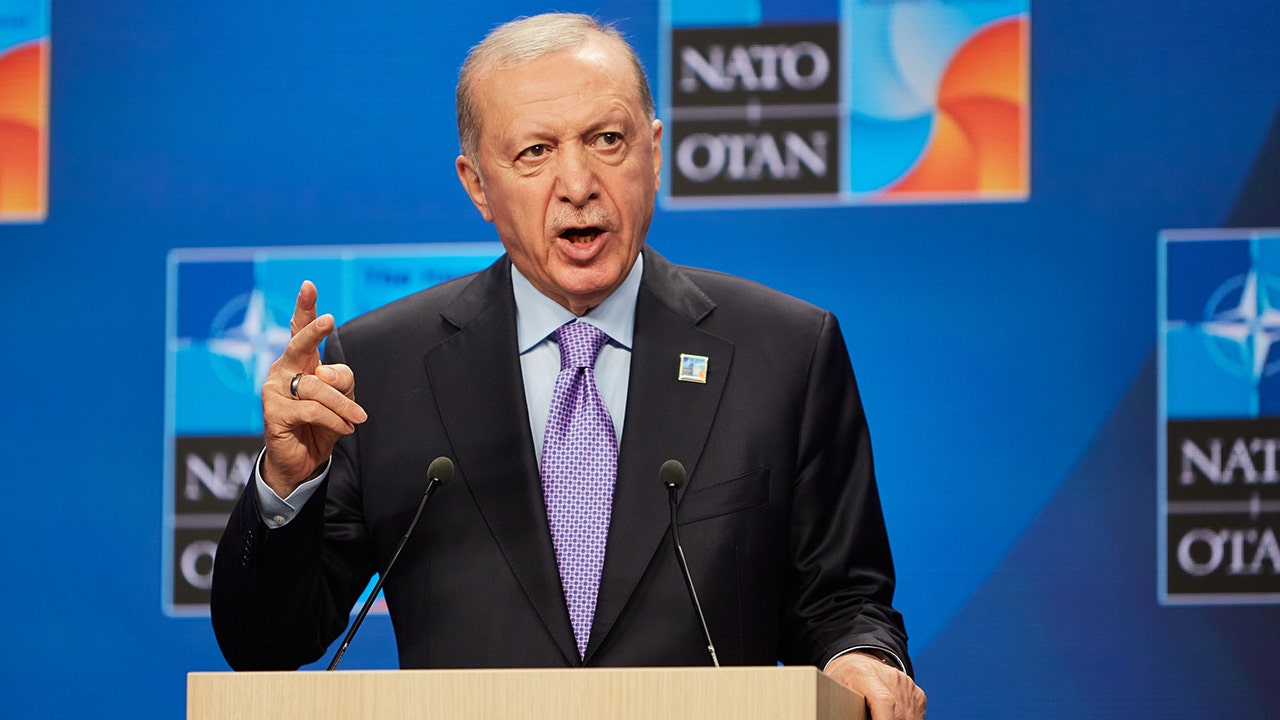
As the NATO summit in Ankara approaches, U.S. President Donald Trump has publicly praised Turkish President Recep Tayyip Erdoğan and approved a proposed $700 million arms sale to Turkey. The article outlines Erdoğan’s political trajectory: from Islamist roots and Istanbul mayor to founder of the Justice and Development Party (AKP), a pro-European reformer in the early 2000s, later a champion of political Islam, then a nationalist strongman, and more recently a broker seeking rapprochement with NATO partners. Erdoğan’s 2019 purchase of Russia’s S-400 missile system led to U.S. sanctions and Turkey’s removal from the F-35 program and remains a contentious technical and political issue. Turkey’s strategic importance is emphasized: control of the Bosporus and Dardanelles under the Montreux Convention, NATO’s second-largest military, delivery of Bayraktar drones to Ukraine, and a mediating role between Kyiv and Moscow. Human-rights organizations and analysts are cited saying Erdoğan has weakened democratic institutions, used courts against opponents, and presided over overcrowded prisons; the arrest of Istanbul Mayor Ekrem İmamoğlu in 2026 prompted nationwide protests. Experts interviewed argue Erdoğan’s core drive is political survival rather than a fixed ideology, and that his foreign-policy shifts reflect pragmatic calculation. The piece notes Western efforts to repair ties with Turkey amid the war in Ukraine and regional instability, while also reporting quieter allied criticism about Turkey’s democratic backsliding.
Biblical Reflection
This article reports a geopolitical reality Christians should watch with both prudence and moral clarity. It portrays a leader whose shifting alignments serve strategic advantage and political survival rather than consistent commitments to liberal democratic norms. From a biblical vantage point, pragmatic power-seeking that sidelines justice and accountability risks harming neighbors and eroding institutions that protect the vulnerable. At the same time, alliances are complex: states often balance moral principles against security needs that affect many lives. The article’s framing is largely factual but emphasizes realpolitik; readers should notice that strategic value (control of straits, military capabilities) often quiets vocal criticism of rights abuses. Christian discernment calls for refusing binary thinking — neither naively praising a strategic partner nor reflexively excusing abuses because a leader is useful. We must hold together concern for peace and security with persistent advocacy for human dignity, rule of law, and transparent governance.
Scripture in context
This outlook does not yet include contextual Scripture citations. Do not treat a general biblical theme as an exegetical conclusion.
Faithful Response
No prescribed response is offered. Consider the reflection prompts below in your own church context.
Reflection and Discussion
- 1How does strategic necessity shape the willingness of democracies to confront rights abuses, and what risks arise when security trumps consistent moral witness?
- 2When a leader repeatedly remakes his public identity, how should Christians weigh personal diplomacy and relationship-building against speaking plainly for justice and the oppressed?
- 3Does the alliance calculus in places like the Black Sea and Middle East reveal tensions between short-term stability and long-term commitments to institutions that protect the vulnerable?
Sources
Reporting links are evidence inputs; Sanctuary News' biblical reflection is commentary.
This outlook currently relies on fewer than two linked sources. Broaden verification before teaching from it.
- 1.Original reportprimary