News Summary
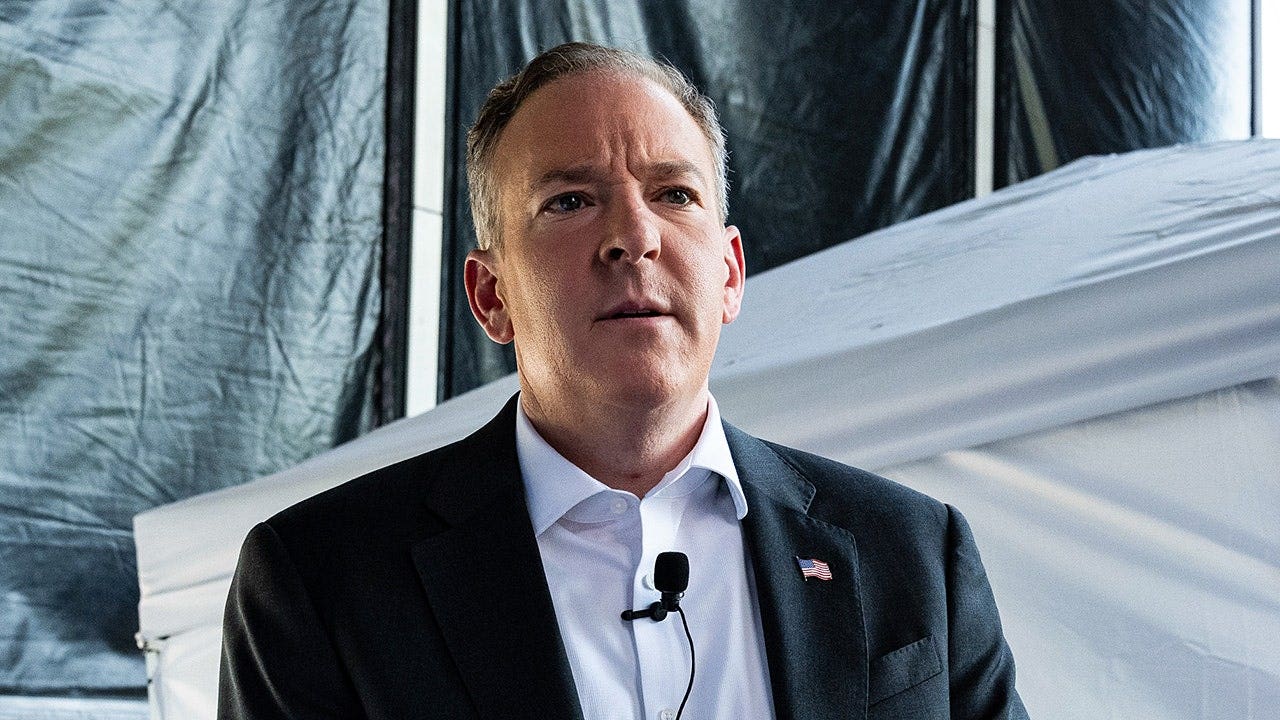
At the Great American State Fair, EPA Administrator Lee Zeldin told Fox News Digital that long-term climate projections (e.g., for 2050 and 2100) should be treated as a range of possible outcomes rather than precise certainties, and that disagreeing with specific forecasts does not automatically make someone a "science denier." He urged listening to alternative perspectives and emphasized updating projections with new, present-day data. The article notes the Trump administration's effort to revisit several climate-related regulations, including re-evaluating the EPA's 2009 Endangerment Finding, and says Zeldin is leading reviews of prior greenhouse gas rules. The piece presents Zeldin's remarks and policy direction but does not include detailed responses from climate scientists or environmental advocates in this report.
Biblical Reflection
Zeldin's basic point—that long-range climate forecasts are presented as ranges and that scientific understanding evolves—is a correct description of how modeling and scenarios work. Christian discernment calls us to value truth: we should acknowledge both the legitimate uncertainty in long-range projections and the broad scientific consensus that human activity has driven significant recent warming with predictable risks. The article and Zeldin's comments also reflect a political posture: questioning forecasts can be used as a reason to delay or rollback regulations that protect air, water, and vulnerable communities. Readers should note the article's single-source framing (Zeldin speaking to Fox News) and the absence of expert perspectives or data explaining the potential policy consequences. From a pastoral standpoint, humility and a willingness to listen are virtues, but so is responsible stewardship—precaution and care for those most affected by environmental harm. Christians should therefore neither accept rhetorical uncertainty as an excuse for inaction nor treat genuine scientific debate as illegitimate; instead hold to truth, protect neighbors, and insist on transparent, evidence-based policy discussions.
Scripture in context
This outlook does not yet include contextual Scripture citations. Do not treat a general biblical theme as an exegetical conclusion.
Faithful Response
No prescribed response is offered. Consider the reflection prompts below in your own church context.
Reflection and Discussion
- 1Does the article fairly present scientific context and alternative expert perspectives, or primarily amplify a single political viewpoint?
- 2Are claims about uncertainty being used to justify policy changes that would affect public health and future generations?
- 3How should Christians weigh scientific humility with the call to care for neighbors who are already harmed by environmental change?
Sources
Reporting links are evidence inputs; Sanctuary News' biblical reflection is commentary.
This outlook currently relies on fewer than two linked sources. Broaden verification before teaching from it.
- 1.Original reportprimary