News Summary
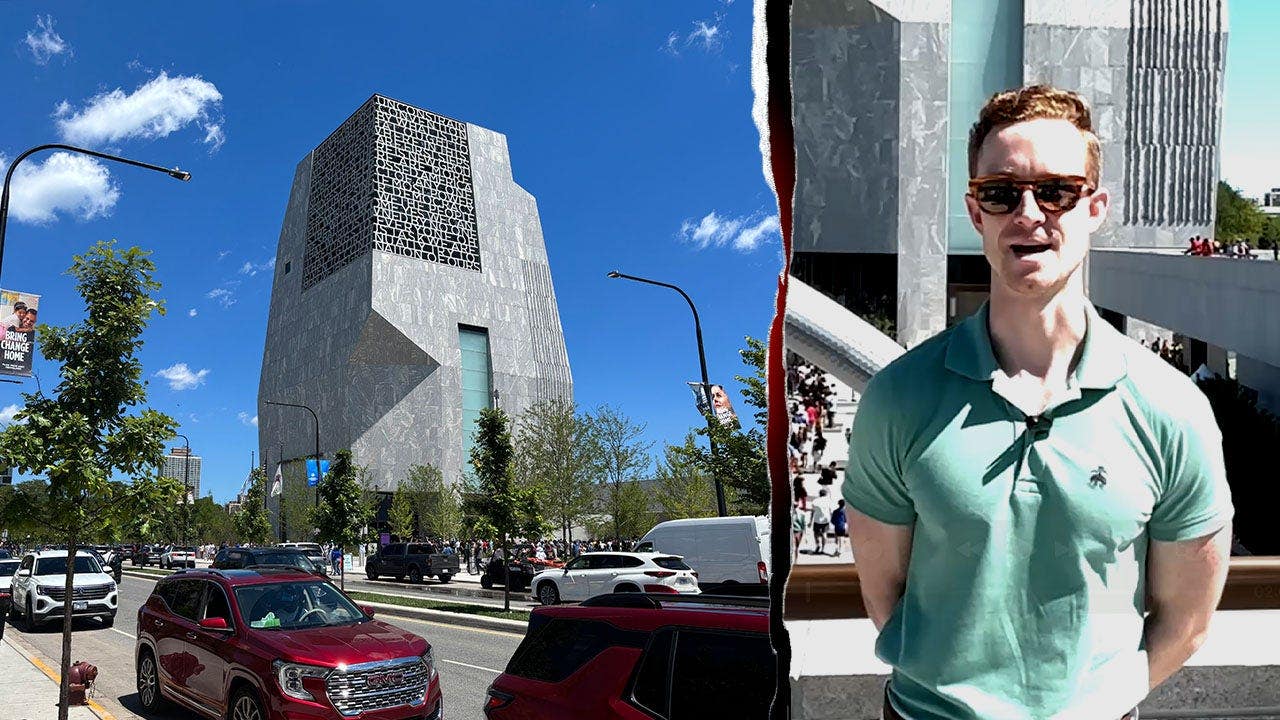
The Barack Obama Presidential Center opened to the public on a 19.3-acre campus on Chicago’s South Side. Structural engineer Chris Bird, who helped design the building, told Fox News Digital that President Obama wanted a “bold” top element; Bird designed the tower’s upper quadrant to display 91 words from Obama’s speeches comprising 433 individual letters about five feet tall. The design has drawn both praise from some visitors calling it “phenomenal,” “breathtaking,” or “unique,” and criticism online labeling it a “monstrosity” or “concrete nightmare.” Bird defended the project as unprecedented in architectural approach, said it anchors the site and integrates with the park and landscape architecture, and said many visitors responded emotionally at the opening. The article quotes the engineer and several attendees and notes earlier local concerns that the center could contribute to displacement and rising costs in the neighborhood.
Biblical Reflection
This report centers an architect’s intent and visitor reaction while also noting online outrage and longstanding local concerns. Truthfully, the piece reflects a common pattern: public memorials are designed with specific aesthetic and symbolic goals, but they land differently across audiences. The engineer’s pride in innovation and boldness is legitimate; so is public critique when it points to aesthetic, cultural, or social consequences. As Christians we should hold both impulses in tension — appreciation for beauty and human creativity, and concern for neighbor welfare and justice. Media framing that highlights polarizing language (“monstrosity”) can amplify division; discerning readers should ask who benefits materially and whose voices are centered. Theologically, monuments and civic institutions can point people toward common goods, but they should not eclipse care for vulnerable neighbors or ignore practical stewardship of community resources. Responding in Christian virtue means listening humbly to local residents, insisting on transparency about economic impacts, celebrating genuine artistry without idolizing buildings, and advocating for policies that protect longtime residents from displacement.
Scripture in context
This outlook does not yet include contextual Scripture citations. Do not treat a general biblical theme as an exegetical conclusion.
Faithful Response
No prescribed response is offered. Consider the reflection prompts below in your own church context.
Reflection and Discussion
- 1Whose stories and needs are most visible in the article’s sources — the designers, visiting public, or long-term local residents?
- 2How does describing a building as “bold” versus a “monstrosity” reveal deeper assumptions about taste, power, and who gets to shape public space?
- 3What concrete evidence should we seek to evaluate claims that the center will help or harm the local community economically and socially?
Sources
Reporting links are evidence inputs; Sanctuary News' biblical reflection is commentary.
This outlook currently relies on fewer than two linked sources. Broaden verification before teaching from it.
- 1.Original reportprimary