News Summary
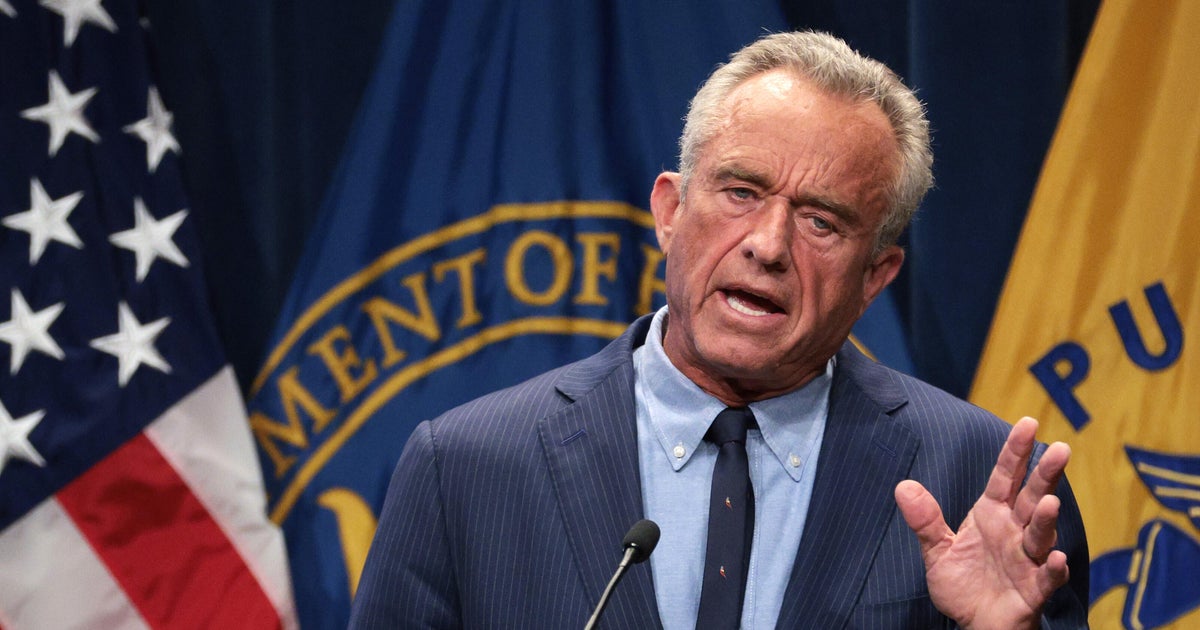
Senate HELP Committee Democrats released internal CDC emails they obtained from former CDC official Dr. Debra Houry showing interactions between CDC staff and the Department of Health and Human Services (HHS) under Secretary Robert F. Kennedy Jr. The emails cover early 2025 through the summer of 2025 and include: HHS asking the CDC to pause certain flu-vaccine advertising and to shift messaging toward "informed consent;" discussion within HHS and Kennedy aides about replacing members of the Advisory Committee on Immunization Practices (ACIP); notes that Kennedy sought to replace all 17 ACIP members and install allies; an internal HHS instruction that CDC major policy decisions require political review; the ouster of CDC Director Susan Monarez in August 2025 and resignations of several senior CDC officials including Houry; Monarez's later testimony and opinion pieces alleging Kennedy pressured her to resign, to preapprove ACIP recommendations, to implement changes to the childhood vaccine schedule, and to fire CDC scientists (which HHS denied and characterized as insubordination); Kennedy denying some of Monarez's claims; a federal judge ruling in March 2026 that the ACIP membership changes were unlawful and that required processes had been disregarded; and subsequent CDC guidance that reduced the number of recommended childhood immunizations from 17 to 11, a move criticized by health groups and defended by the administration as aligning U.S. guidance with some other Western countries. CBS News notes statements from Sen. Bernie Sanders and that CBS sought comment from HHS.
Biblical Reflection
From a Christian pastoral perspective, this story highlights the moral stakes when public health, scientific expertise, and politics collide. The emails and court findings suggest the CDC experienced top-down political pressure affecting vaccine messaging, advisory appointments, and leadership stability — actions that can undermine institutional trust and possibly affect community health, especially for children. Christians should attend to both truth and compassion: truth in calling for transparent, evidence-based health policy and procedural integrity; compassion in protecting the vulnerable who depend on reliable public-health guidance. The reporting appears to rely on documents obtained by Democrats and includes contested claims from both sides; readers should note both the documentary evidence and the denials, and avoid settling for partisan shortcuts. Pastoral prudence calls for accountability that seeks the common good, insists on rigorous review of facts, and resists cynicism that treats either experts or leaders as beyond correction.
Scripture in context
This outlook does not yet include contextual Scripture citations. Do not treat a general biblical theme as an exegetical conclusion.
Faithful Response
No prescribed response is offered. Consider the reflection prompts below in your own church context.
Reflection and Discussion
- 1How does political control of scientific advisory processes change the public’s ability to trust health guidance?
- 2What standards of evidence and process should Christians expect from institutions charged with protecting children’s health?
- 3Are we giving priority to partisan narratives or to verifiable documents and outcomes when judging contested public-health claims?
Sources
Reporting links are evidence inputs; Sanctuary News' biblical reflection is commentary.
This outlook currently relies on fewer than two linked sources. Broaden verification before teaching from it.
- 1.Original reportprimary