News Summary
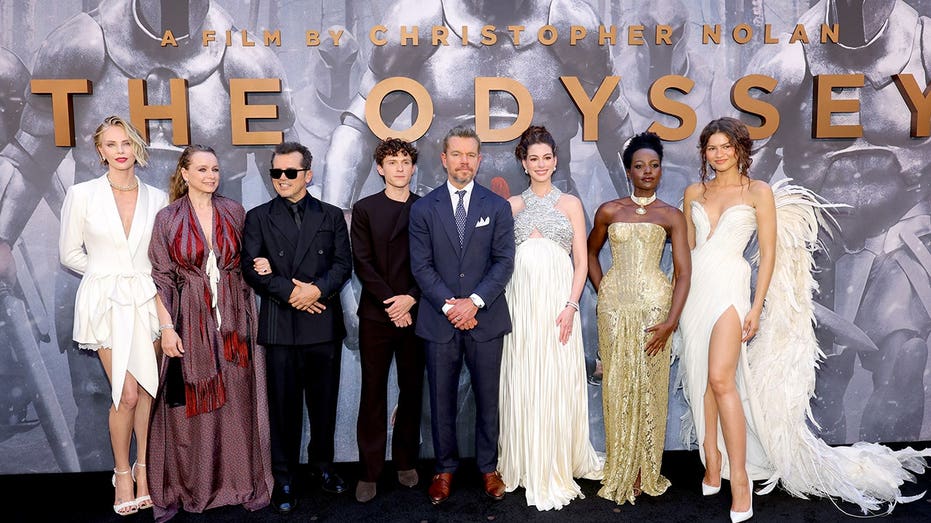
Reported fact: Elon Musk is quoted saying Grok Imagine will produce a full-length adaptation of Homer's The Odyssey described as "historically accurate" and slated to be finished before the end of the year; attributed claim: the accuracy and timeline come from Musk's statement as reported; uncertainty: the article provides no independent confirmation, no production schedule, no definition of "historically accurate," and no third-party verification.
Source and Framing Analysis
The piece is a short report based on a single public claim by Elon Musk. Key uncertainties that affect the story are the lack of corroborating sources and missing details about how an ancient epic would be made "historically accurate," what methods Grok Imagine will use, and whether the timeline is feasible. The framing primarily amplifies Musk's announcement without offering expert perspective or context about the literary, historical, or technical implications.
Biblical Reflection
This announcement raises familiar tensions Christians should notice: the celebration of new creative tools and the need to test claims about truth. The Bible honors creativity as part of humanity's vocation, yet it also calls believers to test teaching and measure claims against reality. An AI-generated film that calls itself "historically accurate" invites scrutiny — especially when the source material is an epic blending myth, memory, and cultural storytelling rather than straightforward history.
We should welcome technology that expands the arts and imagine new ways of telling stories, while remaining attentive to justice and neighbor-love. That includes asking how such projects affect living creators, whether human labor and credit are honored, and whether audiences are being led into confusion about what is literary tradition versus historical fact. Christians can hold both a posture of curiosity and a posture of care: curiosity for new gifts of imagination, and care for truthfulness, the dignity of workers, and the common good.
Practically, this means refusing both naive techno-utopianism and reflexive rejection: celebrate gifts of creativity, insist on clear and honest claims about what is being presented, and advocate for ethical use of AI that protects artists and informs audiences. Humility matters — for creators who claim absolute accuracy, and for consumers who should test claims and seek reliable information.
Scripture in context
- 1John 8:31-32 — In the Gospel of John, Jesus speaks to his followers about abiding in his teaching; within this discourse, he connects commitment to his word with knowing truth and freedom. The passage functions within John's larger theme of belief, revelation, and the contrast between light and darkness. — Use this to remind Christians to test claims and to value truthfulness: when media or technology presents itself as giving 'definitive' accounts, the Christian task is to discern and seek what aligns with reality and honest witness, not to follow novelty uncritically.
- 2Genesis 1:26-27 — The opening chapters of Genesis describe the creation of humanity in God's image, assigning human beings a role to steward creation and cultivate culture. Ancient near-eastern literary context frames this as an account establishing human dignity and responsibility. — This supports a positive view of human creativity and stewardship: technology and art are gifts to be used responsibly, honoring the image-bearing worth of creators and the goods of truth, beauty, and neighbor-care.
Faithful Response
Treat the announcement as a claim in need of verification: look for independent confirmations and clear definitions before accepting assertions of accuracy.
Value and support living creators by asking how AI projects credit and compensate human artists, writers, and technicians involved in storytelling.
Pray for wisdom, then engage in conversations within your church or small group about how to respond to AI-created media ethically and thoughtfully.
Reflection and Discussion
- 1When a technology claims to produce a "historically accurate" version of a mythic epic, what standards should Christians use to judge that claim?
- 2How should the church weigh enthusiasm for creative innovation against the need to protect the dignity and work of human artists?
- 3In what ways can Christians promote media literacy so congregations are not misled by persuasive but unverified claims about truth?
Sources
Reporting links are evidence inputs; Sanctuary News' biblical reflection is commentary.
This outlook currently relies on fewer than two linked sources. Broaden verification before teaching from it.
- 1.Elon Musk says his AI platform will create 'historically accurate' full-length 'Odyssey' movieprimary_reporting