News Summary
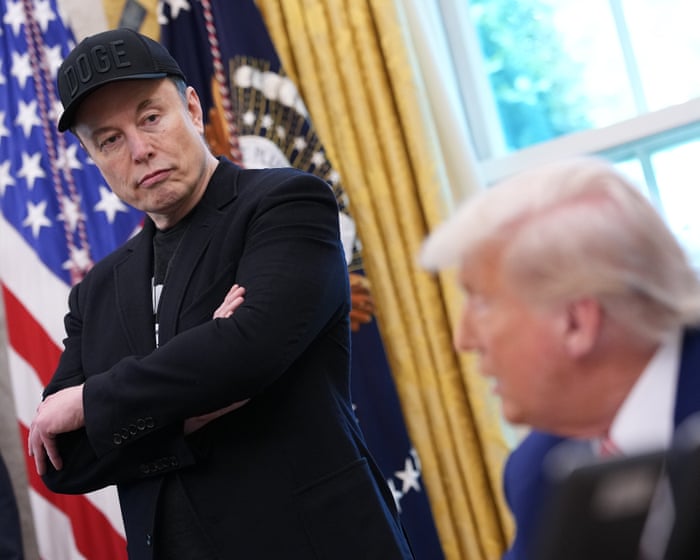
Reported facts: The Guardian reports Elon Musk told the Economist he "became too consumed by politics" during his alliance with Donald Trump and referenced a brief role tied to a so‑called 'department of government efficiency' ('Doge'); the interview covered foreign wars, AI, and Musk's future predictions; the article notes SpaceX's June market event and coverage describing Musk as briefly the world's first trillionaire. Attributed claims: The characterization of the alliance as "volatile," the exact nature and official status of any appointment to a government role, and the specifics of Musk's predictions are presented as reporting or summary of Musk's comments rather than independently verified facts. Uncertainty: The Guardian piece is a summary of an Economist interview; the full Economist text or transcript and official documentation of any government appointment are not included in the supplied material.
Source and Framing Analysis
This story is a secondary report: the Guardian is summarizing an interview published by the Economist. The framing emphasizes Musk's regret and the spectacle of his political entanglements, which may foreground personal drama over specifics. Important uncertainties affect interpretation: the article does not provide the full interview transcript, details of the "predictions," or documentary proof of any formal government appointment, so readers cannot fully assess the extent of Musk's political role or the practical consequences of his statements.
Biblical Reflection
This report highlights two overlapping issues Christians should weigh: the moral formation of powerful influencers and the ethical stakes of emerging technologies. A public admission of being "carried away" is a needed moment of humility; Christians should welcome genuine repentance and accountability while remaining attentive to whether words are followed by concrete changes that protect the vulnerable and the common good. At the same time, Musk’s prominence in shaping public conversation about AI and geopolitics reminds us that concentrated wealth and influence come with responsibilities — stewardship, truth-telling, and care for neighbors must temper innovation and political engagement.
Read critically: the article summarizes an interview but provides limited detail about the specific predictions or actions Musk described. Christians should neither idolize technological power nor reflexively demonize those who hold it; rather, practice discernment that values truth, humility, and justice. Press for transparency about concrete commitments (policy, funding, governance of AI, and how public office or advisory roles were actually formalized) and support structures that subject powerful actors to healthy accountability.
Scripture in context
- 1Proverbs 16:18 — A wisdom proverb warning that pride or overconfidence often leads to downfall in the pattern of ancient Near Eastern wisdom literature, which pairs general observations about human behavior with moral instruction. — The proverb invites attention to how influence and success can blind leaders; public admissions of having been 'carried away' should be met with calls to humility, repentance, and safeguarding the vulnerable.
- 2Luke 18:9-14 (Parable of the Pharisee and the Tax Collector) — A Gospel parable contrasting self‑justifying pride with humble plea for mercy; it teaches that humility, not self‑righteousness, is the posture commended before God. — The parable helps Christians evaluate public repentance: authentic humility is inward and outward — not merely a publicity line — and should lead to changed behavior toward others.
Faithful Response
Pray for humility and wisdom for leaders and for those who influence public policy, especially in technology and national security.
Seek additional reliable reporting before forming final judgments; support and vote for policies that increase transparency and accountability for public advisors and large tech firms.
Educate yourself and your church about ethical issues in AI and public governance so you can advocate for protections that serve the vulnerable.
Model humility in personal speech about public figures — welcome repentance but look for concrete change and justice for those affected.
Reflection and Discussion
- 1How do we measure authentic repentance in public leaders: by words, changed behavior, or structural reforms, and why?
- 2What responsibilities do Christians have when influential technologists shape debates about AI and national policy?
- 3In what ways can the church speak prophetically about both the gifts and the dangers of concentrated wealth and technological power?
Sources
Reporting links are evidence inputs; Sanctuary News' biblical reflection is commentary.
This outlook currently relies on fewer than two linked sources. Broaden verification before teaching from it.
- 1.‘I got carried away’: Elon Musk expresses regret about Doge and wading into Trump’s orbitprimary_reporting