A little more detail
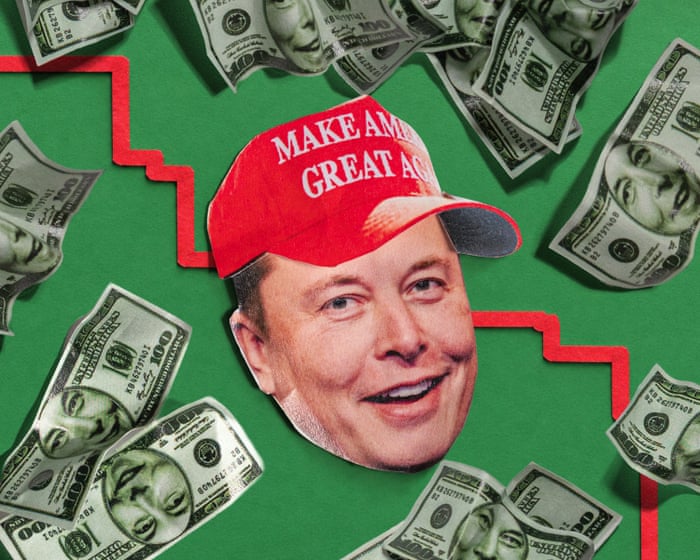
The Guardian reports that Elon Musk has funneled at least $445.77 million into Republican-aligned PACs and groups during the 2026 U.S. midterm cycle, based on Federal Election Commission (FEC) data through 29 October. The story emphasizes the unprecedented scale of the spending and characterizes Musk as the largest single-cycle political donor in modern U.S. history, using vivid comparisons to convey scale.
Source and Framing Analysis
Primary source for the claim in the supplied material is a Guardian interactive story that attributes its totals to Federal Election Commission data (snapshot dated 29 October). The Guardian frames the item around scale—calling attention to the magnitude of the sum and using rhetorical comparisons (SpaceX launches, Cybertrucks, millions of cheeseburgers) to make that scale tangible. Those comparisons are rhetorical devices, not evidentiary support. The supplied reporting names partisan alignment ("Republican-aligned PACs and groups") but does not include the underlying FEC documents, a recipient-by-recipient breakdown, a methodology for declaring "largest single-cycle political donor," or distinctions between types of spending (direct campaign contributions, independent expenditures, PAC transfers, in-kind support). Because the canonical material supplies only the Guardian piece and its stated FEC basis, verification would require consulting the underlying FEC filings and additional reporting to confirm categorization and to assess whether the spending produced measurable electoral effects.
How sources covered this story
Sanctuary separately assesses reporting quality and alignment with Christian virtues. The virtues assessment considers truthfulness, dignity, compassion, justice, peacemaking, humility, and care for vulnerable people. It does not assess a publisher's faith or reward religious language.
Compare 1 reports
Reporting 78/100Virtues 75/100
- Distinctive contribution
- Reports a specific figure ($445.77m) for donations to Republican-aligned PACs and groups and cites FEC data as of 29 October; characterizes Musk as "the largest single-cycle political donor in modern US history" and uses vivid comparisons (SpaceX launches, Tesla Cybertrucks, 31.9m cheeseburgers) to convey scale.
- Framing
- Frames the story around the extraordinary scale of Musk’s spending, emphasizing wealth-to-spending comparisons and partisan alignment (Republican-aligned groups). The language is attention-grabbing and designed to highlight magnitude.
- Omissions or uncertainty
- Excerpt does not show the underlying FEC data or methodology for determining "largest single-cycle political donor," does not break down recipients or spending categories (e.g., direct campaign contributions vs. independent expenditures/PAC transfers), and leaves "since last year" and "Republican-aligned" definitions ambiguous. The snapshot date is given, but trends over time or comparisons to other donors are not shown in the excerpt.
- Why these scores
- The excerpt gives a specific, sourced dollar amount and a clear snapshot date, which supports verifiability. The vivid comparisons help reader comprehension. Deductions: the strong claim about being "largest single-cycle donor" would benefit from explicit methodology or comparative figures in the excerpt; some terms ("since last year," "Republican-aligned") are not precisely defined here. The excerpt is factual and not dehumanizing; it attributes data and aims to inform readers about power and influence, which aligns with truthfulness and concern for public accountability. It does use colorful, attention-grabbing metaphors, but there is no evident exploitation of suffering or disrespect for persons. The piece does not explicitly emphasize compassion, justice, or care for vulnerable groups in the supplied text, so it earns a solid but not top score.
Biblical Reflection
Money has moral weight. The Christian tradition warns against letting wealth become an idol and calls believers to stand with the poor and vulnerable when public power is concentrated. This episode should prompt Christians to pursue truth (seek reliable, primary documentation), mercy (name the harms that concentrated influence can produce and care for those affected), justice (advocate for systems that protect equal political voice), peacemaking (discourage partisan demonization while insisting on honest public debate), humility (examine our own attachments and influence), and dignity (protect the civic agency of those with less money). Practical responses include advocating for transparency in campaign finance, supporting voter education and participation, and using personal and congregational resources to serve neighbors who lack political power.
Scripture in context
- 1 (Parable of the Rich Fool) — Part of Jesus' teaching on discipleship, priorities, and readiness for God's kingdom; addresses the folly of storing up wealth for oneself while neglecting God and neighbor. — The passage invites Christians to evaluate whether wealth serves God's purposes and neighbor care or becomes an idol that consolidates private power. Applied here, it calls the church to examine how concentrated political giving aligns with stewardship, justice, and care for the vulnerable.
Faithful Response
1) Pray for wisdom for leaders, donors, voters, and journalists. 2) Seek primary documentation—review FEC filings and reputable, corroborating reporting before drawing firm conclusions. 3) Advocate for transparency and reforms that protect equal political voice (disclosure, clarity about expenditure types, and enforcement). 4) Strengthen local civic participation—register voters, support nonpartisan voter education, and invest time and resources in community organizations serving the poor. 5) Model congregational financial transparency and teach stewardship that orients wealth toward neighbor care rather than private advantage. 6) Resist cynical resignation: pursue lawful, nonviolent avenues for reform and loving public witness.
Reflection and Discussion
- 1How does concentrated political giving shape whose voices are heard in your community and whose needs receive attention?
- 2What steps can our church take to model transparent stewardship and to equip members to participate faithfully in civic life?
- 3Where in our own lives might wealth or influence be shaping priorities in ways that conflict with care for the vulnerable?
- 4What concrete campaign-finance transparency measures would promote fairness and accountability in elections?
Sources
Reporting links are evidence inputs; Sanctuary News' biblical reflection is commentary.
This is a developing, single-source report. Details may change as more reporting becomes available.
- 1.The staggering $446m Elon Musk has spent on the US midterms – visualizedprimary_reporting