News Summary
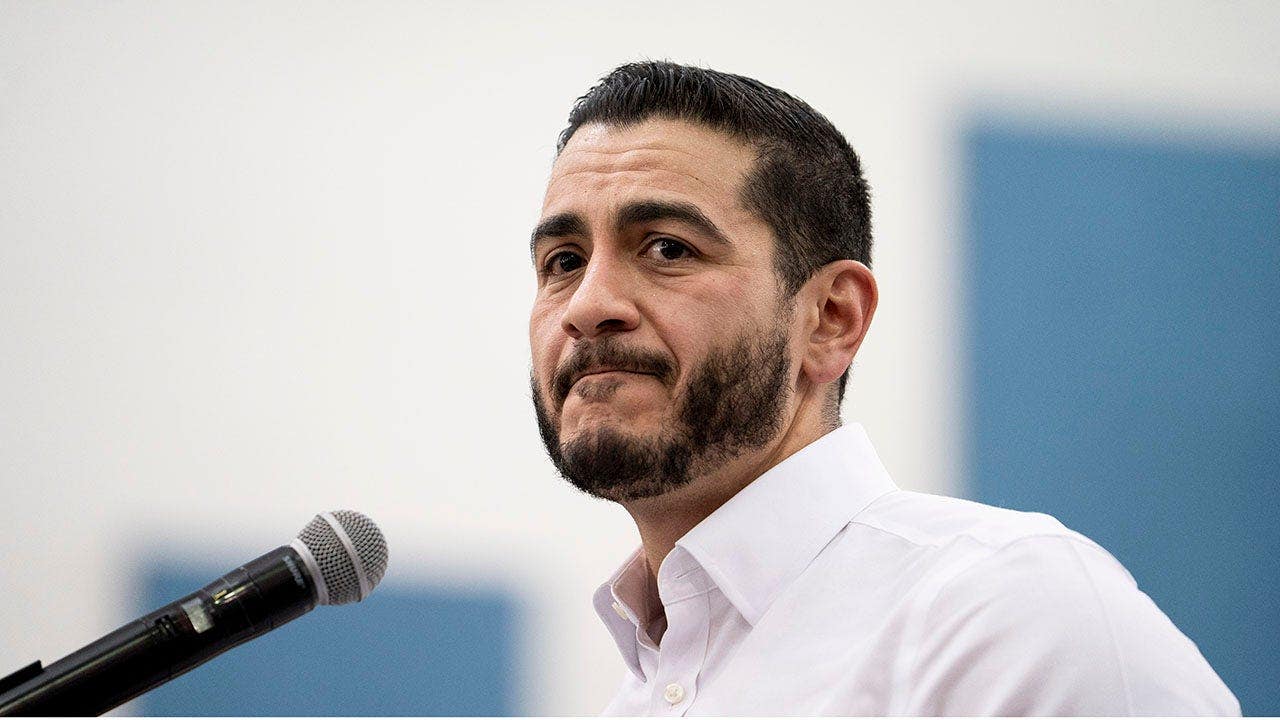
Abdul El-Sayed, a Democratic candidate in the Michigan U.S. Senate primary, posted on X that the American Israel Public Affairs Committee (AIPAC) planned to spend at least $3,847,990 against his campaign and called such spending "legalized bribery." The post came about a month before the August primary, in which he faces Rep. Haley Stevens, who is broadly described as pro-Israel and has been endorsed by Senate Minority Leader Chuck Schumer. The candidates engaged in a debate where Israel-related policy and the role of the Israel lobby were central issues. El-Sayed argued that the Israel lobby has excessive influence on U.S. elections and foreign policy; Stevens defended Israel's right to exist and criticized El-Sayed's questioning of the U.S.-Israel alliance. Reporter Chuck Ross asked on X whether El-Sayed's criticism would also apply to pro-Palestine groups such as PAL PAC and Arab American PAC; El-Sayed's campaign did not immediately respond to that line of questioning. The article also notes that El-Sayed has delayed releasing full tax returns because his wife’s family owns property abroad, and that his campaign financial disclosures list assets and a net worth range between roughly $580,000 and $1.7 million.
Biblical Reflection
From a Christian perspective, this story raises both civic and ethical concerns. Calling political donations "legalized bribery" is a strong moral claim that should be weighed against facts: campaign giving and independent expenditures are legal under U.S. law, but questions about undue influence, transparency, and accountability are legitimate and require evidence and careful inquiry. Christians should resist rhetoric that quickly demonizes groups or people—especially when debates touch on ethnic and religious identities—because such language can inflame fear and division rather than lead to constructive reform. At the same time, stewardship and justice demand scrutiny of powerful interests and clear rules that protect democratic processes. Pastoral discernment here calls for honest accountability of leaders and institutions, humility about what we know, and care for communities vulnerable to scapegoating (including Jewish and Arab Americans). Practically, faithful civic engagement looks like seeking truthful information, advocating for transparent campaign practices, and pursuing reforms in ways that preserve human dignity and peace.
Scripture in context
This outlook does not yet include contextual Scripture citations. Do not treat a general biblical theme as an exegetical conclusion.
Faithful Response
No prescribed response is offered. Consider the reflection prompts below in your own church context.
Reflection and Discussion
- 1Am I responding to a political claim with careful evidence-seeking or with assumptions that cast entire communities as suspect?
- 2Does the framing of foreign-linked influence obscure domestic legal funding channels, and what reforms would both protect democracy and avoid unfairly blaming a people?
- 3How might political rhetoric about lobbying affect the safety and trust of minority communities in my city or state?
Sources
Reporting links are evidence inputs; Sanctuary News' biblical reflection is commentary.
This outlook currently relies on fewer than two linked sources. Broaden verification before teaching from it.
- 1.Original reportprimary