News Summary
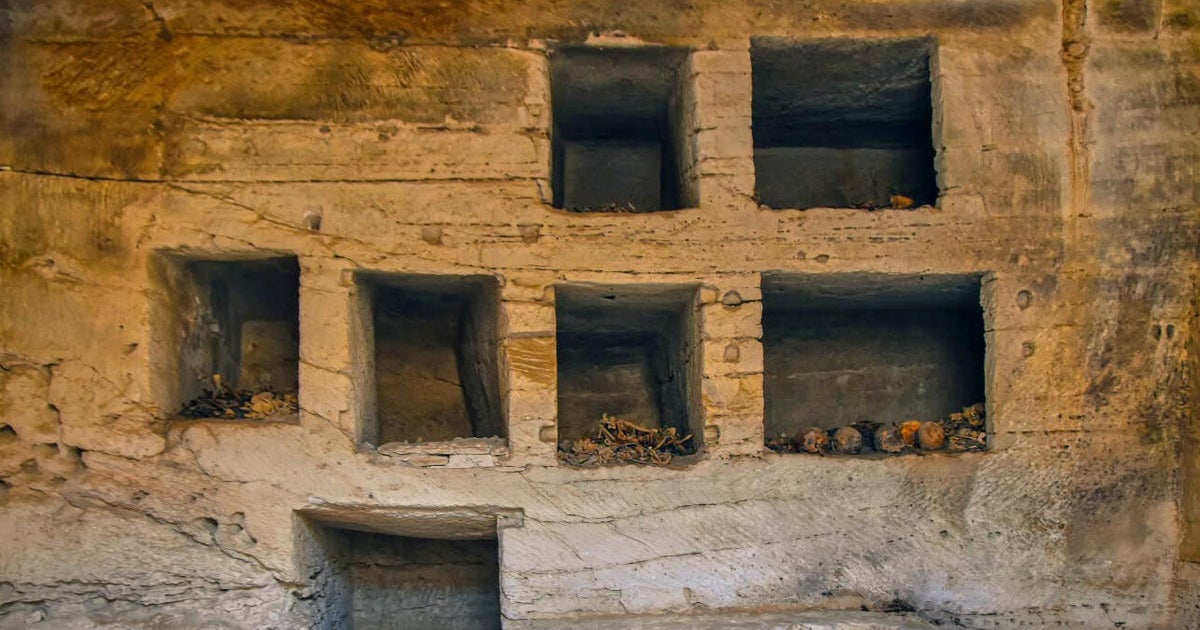
Egyptian authorities announced two major archaeological discoveries: a well-preserved Byzantine-era residential settlement at Dakhla Oasis in the western desert and 18 additional tombs at the Marina el-Alamein site near Alexandria. At Dakhla archaeologists reported streets laid out in a grid, a mid-fourth-century basilica, two watchtowers, a fortified structure, vaulted-roof houses including the house of Tisous (identified as a deacon and possible house church), bread ovens, stone grinding tools, bronze and gold coins including pieces from the reign of Constantius II, Latin inscriptions, Christian symbols, and about 200 ostraca with commercial and private inscriptions. Dakhla Oasis is on UNESCO’s Tentative List. At Marina el-Alamein teams uncovered 11 rock-cut tombs and seven surface limestone tombs (bringing the site total to 48), pottery, amphorae, lamps, an eight-foot granite sarcophagus with skeletal remains, a plaster sphinx fragment, and examples of the “golden tongue” funerary practice. The ministry also noted earlier finds in a Greco-Roman cemetery including human remains and two complete wild boar skeletons. Egyptian officials framed the announcements as supporting archaeological knowledge and as helping to boost tourism; official tourism figures cited a recovery to a record 19 million visitors last year and growth in early 2026.
Biblical Reflection
The reporting is rooted in official statements from Egypt’s Tourism and Antiquities Ministry and named archaeologists; the claims are consistent with standard archaeological announcements but should be read with healthy caution until detailed scholarly publication and peer review follow. The article’s framing also highlights a clear economic motive—using high-profile discoveries to support a tourism-dependent national economy—which can shape which finds are emphasized and how they are presented. From a Christian pastoral perspective, these discoveries invite gratitude: they reveal Christianity’s historical presence and the diverse human story God preserves in material culture. They also raise ethical questions consistent with biblical justice and neighbor-love: who benefits from excavation, how are local communities included, and how will sites be protected from looting or exploitation? Christians should rejoice in the deep roots of the faith shown by remains like a fourth-century basilica, while advocating for honest scholarship, respectful stewardship of cultural heritage, and protection of vulnerable peoples and places impacted by tourism and development.
Scripture in context
This outlook does not yet include contextual Scripture citations. Do not treat a general biblical theme as an exegetical conclusion.
Faithful Response
No prescribed response is offered. Consider the reflection prompts below in your own church context.
Reflection and Discussion
- 1How might economic and tourism interests shape which archaeological narratives are amplified or downplayed in public announcements?
- 2What responsibilities do governments, scholars, and visitors have to protect archaeological sites and honor the rights and livelihoods of local communities?
- 3How do discoveries of ancient Christian worship spaces affect our sense of continuity and humility about the church’s historical story?
Sources
Reporting links are evidence inputs; Sanctuary News' biblical reflection is commentary.
This outlook currently relies on fewer than two linked sources. Broaden verification before teaching from it.
- 1.Original reportprimary