News Summary
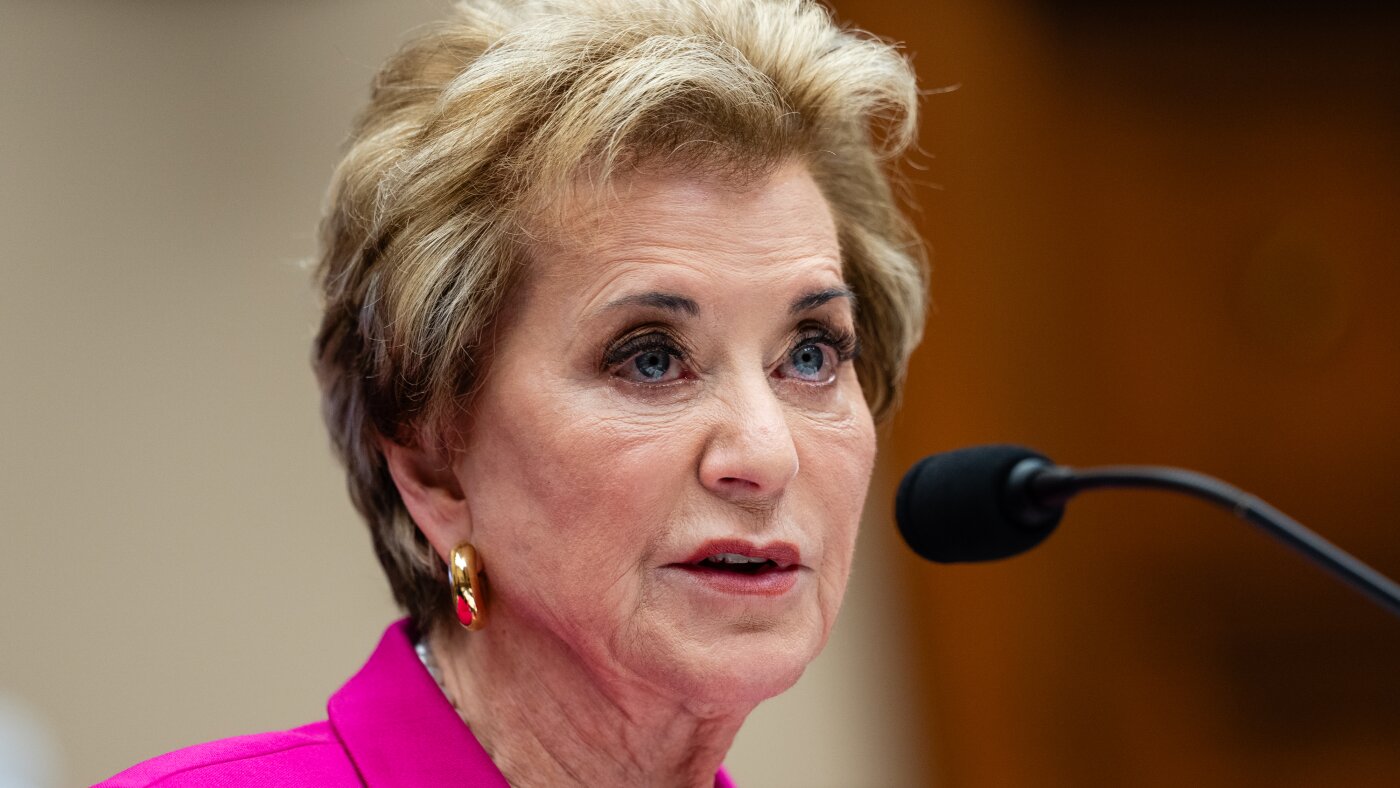
At a House education committee hearing, U.S. Education Secretary Linda McMahon defended the Trump administration’s budget proposal and a broad reorganization of the U.S. Department of Education. McMahon framed the effort as sunsetting a 46-year-old federal education bureaucracy and returning authority to parents, teachers, and local leaders. According to Office of Personnel Management data cited at the hearing, department staffing fell from about 4,200 employees in 2024 to roughly 2,300 in 2026 (about a 45% reduction). The administration has transferred more than 100 programs and obligations to other federal agencies, including many K–12 programs to the Department of Labor and family-engagement efforts to HHS. The federal student loan portfolio was recently moved to the U.S. Treasury Department; remaining Education Department staff will relocate to a smaller nearby office by August. Internal documents show the Office of Federal Student Aid (FSA) is currently recruiting about 334 new staff after prior reductions. The department has considered, but not decided, transferring management of IDEA (special education) to another agency; McMahon said programs might be co-administered during any transition. The Office for Civil Rights (OCR) saw large staff reductions last year; about half the office’s staff were removed and many lawyers placed on paid administrative leave, a choice a watchdog said cost taxpayers $28.5–$38 million. McMahon said she considers OCR important and is rehiring attorneys, though the department’s budget proposes a 35% funding cut to the office. The hearing also covered new graduate student loan limits in recent Republican legislation: most graduate borrowers face caps of $20,500 annually and $100,000 lifetime; a short list of professional programs would be allowed higher caps ($50,000 annually, $200,000 lifetime). McMahon argued caps aim to reduce college costs; some economists told NPR they don’t expect caps alone to produce widespread price cuts. Republicans and McMahon pointed to proposed MEGA grants intended to support literacy and state reforms, while Democrats criticized that the MEGA proposal would consolidate 17 programs funded at about $6.5 billion into a single block grant of roughly $2 billion. The hearing also highlighted concerns about U.S. literacy and math declines, with mixed state results cited (e.g., Louisiana noted for gains; Florida’s recent reading growth ranked poorly).
Biblical Reflection
From a Christian perspective, this story raises questions about stewardship, justice, and care for the vulnerable. The administration’s stated intent—to devolve authority to parents and local leaders and reduce federal bureaucracy—reflects a political and administrative worldview that prizes local control and smaller federal institutions. That aim can have legitimate moral and practical merits: local actors are often closer to students and families and can be more responsive. But the Bible consistently calls leaders to protect the vulnerable and pursue justice. Large reductions in staff and the relocation or transfer of responsibilities risk weakening enforcement of civil-rights protections, oversight for students with disabilities, and continuity of services for low-income and marginalized learners. The paid administrative-leave decision and the apparent gap between McMahon’s stated support for OCR and the department’s proposed budget cuts point to a tension between rhetoric and resource choices; Christians should be skeptical of arguments that minimize institutional responsibilities to the least advantaged when budget and staffing tell a different story. The proposed graduate loan caps and consolidation of programs into smaller block grants also reflect trade-offs between fiscal restraint and access. Policies that seek to prevent irresponsible borrowing and to pressure institutions toward lower prices are defensible goals, but empirical evidence matters: if economists doubt that caps will lower tuition and if program consolidations reduce targeted services for English learners, rural students, or students with disabilities, then the policy may produce foreseeable harm. Christians should therefore evaluate not only stated intentions but likely outcomes, especially for those who lack resources or advocacy. Finally, political framing in the hearing—characterizing the department as a ‘‘failed bureaucracy’’ or treating its dissolution as a moral victory—can obscure real human costs. The biblical call to love neighbor and seek justice requires careful scrutiny of policies that shift obligations away from federal structures without clear, accountable replacements to protect rights and serve the needy.
Scripture in context
This outlook does not yet include contextual Scripture citations. Do not treat a general biblical theme as an exegetical conclusion.
Faithful Response
No prescribed response is offered. Consider the reflection prompts below in your own church context.
Reflection and Discussion
- 1What assumptions about the proper role of government in protecting vulnerable persons (students with disabilities, low-income students, civil-rights complainants) shape this reorganization, and who benefits or loses if oversight is reduced?
- 2Are the administration’s policy goals (reducing college costs, shifting authority to states) supported by evidence and accompanied by accountability mechanisms to protect civil rights and special education services?
- 3Where does political rhetoric about ‘dismantling bureaucracy’ risk becoming an ethical cover for transferring responsibilities without ensuring equivalent protections for marginalized people?
Sources
Reporting links are evidence inputs; Sanctuary News' biblical reflection is commentary.
This outlook currently relies on fewer than two linked sources. Broaden verification before teaching from it.
- 1.Original reportprimary