News Summary
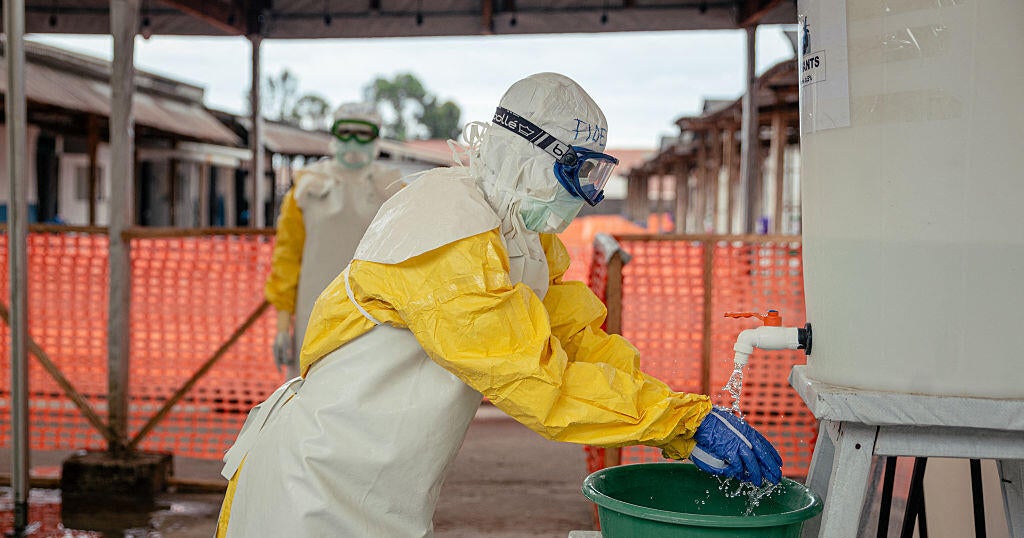
Health workers in northeastern Democratic Republic of Congo (Ituri) report shortages of basic protective equipment, testing capacity, clean water, and isolation resources while caring for patients with suspected Ebola. Early May cases showing fever and severe joint pain were not immediately confirmed due to limited testing; degraded samples sent to Kinshasa were later identified as an unusual Ebola strain caused by the Bundibugyo virus. The World Health Organization declared the outbreak a public health emergency of international concern on May 17. By June 3, Congo’s National Institute of Public Health reported 363 confirmed cases and 62 confirmed deaths; earlier tallies of suspected cases and deaths varied as surveillance gaps persisted. Logistical obstacles — suspended flights, damaged roads, and armed groups controlling territory — have delayed deliveries of supplies and hindered contact tracing and case monitoring. Aid shipments and local laboratory capacity are described as insufficient; some international pledges and UN pooled funding have been announced, while aid workers say response capacity is reduced compared with past outbreaks. Violence, displacement, malnutrition, and community mistrust have complicated public-health outreach and increased the risk of further spread to neighboring areas, including Uganda.
Biblical Reflection
This article reports a humanitarian and public-health crisis where truth and urgency are clear: frontline caregivers lack life-saving supplies and diagnostic capacity, and a deadly Ebola strain is circulating amid conflict and displacement. The reporting emphasizes systemic and logistical causes (broken infrastructure, insecurity, degraded samples, limited labs) rather than only individual failures, but it also highlights political critique of reduced international operational capacity — claims that reflect aid workers’ perspectives and should be weighed alongside official statements and funding details. From a Christian pastoral lens, the situation calls for faithful compassion and practical solidarity: truth requires facing both the medical reality and the political/structural obstacles honestly; mercy demands mobilizing resources for the vulnerable and protecting those who care for them; humility asks us to listen to local workers and communities; courage compels advocacy for safer access and sustained aid; and neighbor-love pushes the church and citizens to pray, give, and press leaders to remove barriers to life-saving help. Beware simplistic blame: the crisis is produced by overlapping problems (epidemiology, logistics, armed conflict, poverty) that require coordinated, persistent responses grounded in truth and service.
Scripture in context
This outlook does not yet include contextual Scripture citations. Do not treat a general biblical theme as an exegetical conclusion.
Faithful Response
No prescribed response is offered. Consider the reflection prompts below in your own church context.
Reflection and Discussion
- 1Are we weighing aid workers’ urgent accounts with the same rigor we reserve for political claims, distinguishing operational shortfalls from partisan critique?
- 2How does ongoing violence and displacement change the nature of public-health responses, and what practical steps break those barriers to care?
- 3In what ways should Christian communities prioritize sustained advocacy and support for frontline caregivers, not only emotional expressions of concern?
Sources
Reporting links are evidence inputs; Sanctuary News' biblical reflection is commentary.
This outlook currently relies on fewer than two linked sources. Broaden verification before teaching from it.
- 1.Original reportprimary