News Summary
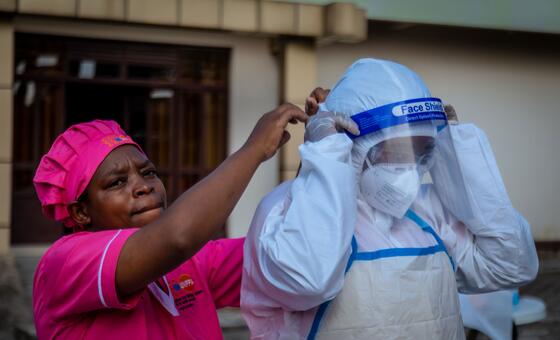
Reported facts: UN health teams and partners are attempting to contain an Ebola outbreak in eastern DRC; government figures (as of 19 July 2026) list 2,423 confirmed cases, 967 deaths, and 469 recoveries; insecurity in eastern areas is impeding response operations; WHO notes some signs of stabilization while the outbreak remains broadly expanding. Attributions and uncertainty: case and outcome counts are reported as government figures and may be affected by limited access and underreporting; the UN/WHO characterization of "signs of stabilization" is presented alongside the assessment that the outbreak continues to expand, indicating mixed indicators rather than a definitive turn in the outbreak's trajectory.
Source and Framing Analysis
The article is a concise UN News summary relying on government and UN/WHO sources; it does not provide geographic detail, the specific WHO indicators cited, or independent verification beyond official counts—all important gaps because insecurity can cause undercounting and uneven surveillance.
Biblical Reflection
This report points to a painful reality: disease multiplies where vulnerability, poverty, and violence intersect. From a Christian perspective, the facts call us both to sober truth-telling and compassionate action. The numbers are grave—almost 1,000 reported deaths—and they represent real persons and grieving communities. Christians should resist minimizing the scale of suffering while also resisting sensationalism that neglects the human faces behind the statistics.
The insecurity described in the report highlights how political and social brokenness amplifies physical harm. Scripture repeatedly links justice, peace, and care for the vulnerable; responding to an epidemic therefore requires medical aid and attention to the wider structures that impede relief—security, trust, and basic services. The mention of "signs of stabilization" is a reminder that progress in such crises is often uneven: celebrate genuine gains but remain committed where needs persist.
Practically, faithful response includes prayer, advocacy for safe humanitarian access, financial and logistical support to credible relief organizations, and resisting stigma against the sick. Christians should seek humility—acknowledging the limits of our knowledge and the complexity of public health—while acting in mercy toward neighbors who are suffering.
Scripture in context
- 1Matthew 25:31-46 (judgment and care for the vulnerable) — In this passage Jesus speaks of the final judgment, commending those who cared for the hungry, thirsty, stranger, naked, sick, and imprisoned—acts of mercy toward the least of these as the standard of faithful life. Historically it addresses discipleship expressed through concrete care for neighbors, especially the vulnerable. — The passage calls the church to practical care for the sick and displaced rather than abstract concern; responding to an epidemic is a form of neighbor-love that reflects faithful discipleship and communal responsibility.
Faithful Response
Pray regularly for those affected, health workers, and for secure humanitarian access.
Support reputable medical and humanitarian organizations providing Ebola treatment, contact tracing, and community protection.
Learn and share accurate public‑health guidance to reduce stigma and misinformation in your networks.
Advocate with elected officials and church networks for unimpeded, well‑funded humanitarian operations and for protections for civilians in conflict areas.
Reflection and Discussion
- 1How should the church weigh short-term improvements in outbreak indicators against ongoing needs caused by insecurity and limited access?
- 2In what ways can our faith community help reduce stigma and protect the dignity of those affected by infectious disease?
- 3What responsibilities do Christians have to advocate for the structural changes that make effective public‑health responses possible (security, infrastructure, and local capacity)?
Sources
Reporting links are evidence inputs; Sanctuary News' biblical reflection is commentary.
This outlook currently relies on fewer than two linked sources. Broaden verification before teaching from it.
- 1.DR Congo: Ebola outbreak still expanding, WHO sees signs of stabilizationofficial_document