News Summary
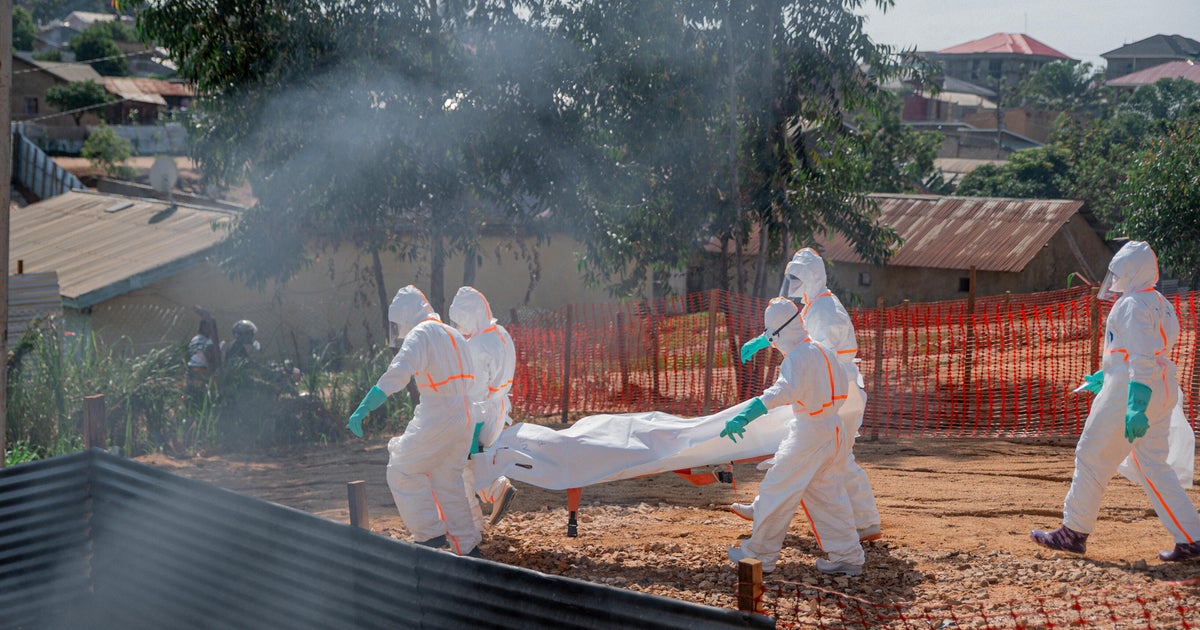
One month after the outbreak was declared, confirmed Ebola cases in the Democratic Republic of Congo (DRC) and Uganda rose to over 800, an increase of about 300 in roughly one week. The World Health Organization (WHO) reports geographic spread and ongoing intense community transmission in the affected Central African region. In Ituri province, security forces fired warning shots to disperse a crowd attempting to take an Ebola victim's body home while health workers sought to remove it for public-safety reasons. WHO officials say community-reported deaths indicate undetected transmission and that case detection is incomplete. Contact tracing has reached a little over half of identified contacts; roughly 3,000 potential contacts remain unaccounted for. Uganda has confirmed at least 19 cases, including two deaths as of June 10, and had no new reported cases in the country for 11 days at the time of reporting; authorities emphasize porous, nearly 500-mile shared borders and continued informal cross-border movement despite official restrictions. Officials in both countries express concern and are continuing public-health and screening measures.
Biblical Reflection
This is primarily a public-health and humanitarian story: WHO and local health authorities are signaling a real risk that the outbreak is larger than detected and could expand further without improved surveillance, community engagement, and resources. The article fairly reports official warnings and operational gaps (missed contacts, community deaths, porous borders) but gives limited context on underlying structural drivers—conflict, weak health systems, cultural funeral practices, and mistrust—that make containment difficult. From a Christian perspective, the response should be shaped by truth-telling (acknowledging unknowns and the scale of need), compassion for those afflicted and for exhausted health workers, and humility about easy solutions. Christians and churches can resist fear and stigma, advocate for humanitarian support, and partner with public-health efforts that protect life and dignity. Be wary of narratives that simplify causes or assign blame; instead prioritize practices that protect neighbors, support frontline responders, and address systemic needs that allow disease to spread.
Scripture in context
This outlook does not yet include contextual Scripture citations. Do not treat a general biblical theme as an exegetical conclusion.
Faithful Response
No prescribed response is offered. Consider the reflection prompts below in your own church context.
Reflection and Discussion
- 1What structural factors (conflict, weakened health systems, poverty, and mistrust) does the report underemphasize that affect outbreak control?
- 2How might media focus on case counts obscure the human dignity and cultural realities (for example, funeral practices) that shape transmission and local responses?
- 3Where can churches and faith-based groups most faithfully support public health—by reducing stigma, offering material help, and advocating for sustained humanitarian aid?
Sources
Reporting links are evidence inputs; Sanctuary News' biblical reflection is commentary.
This outlook currently relies on fewer than two linked sources. Broaden verification before teaching from it.
- 1.Original reportprimary