News Summary
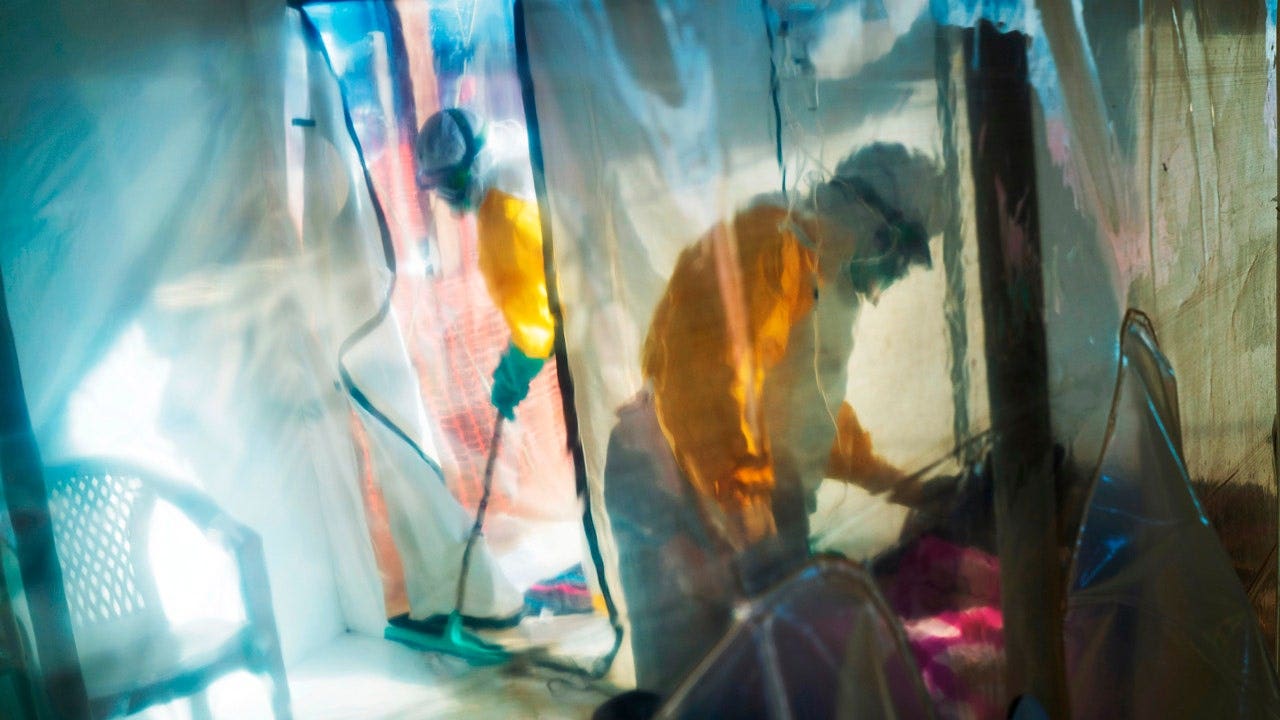
Health authorities and the Africa Centers for Disease Control confirmed a new Ebola outbreak in Ituri province, Democratic Republic of Congo, reporting 65 deaths and 246 suspected cases. Only four of the deaths have been laboratory confirmed so far; testing and genomic sequencing are ongoing to determine which Ebola variant is involved. Officials are investigating whether this is the Zaire strain or a different variant. The outbreak has been concentrated in the Mongwalu and Rwampara health zones near the borders with Uganda and South Sudan. Uganda reported one Ebola-related death imported from Congo. The WHO deployed a response team and announced $500,000 in emergency funding; Congo reports having Ebola treatments and about 2,000 doses of the Ervebo vaccine, which protects against the Zaire strain but not against Sudan or Bundibugyo variants. Officials flagged regional transmission risks linked to mining-related travel, weak infrastructure, and local insecurity. This is the DRC's 17th recorded Ebola outbreak since 1976.
Biblical Reflection
The article relays core public-health facts: reported deaths and suspected cases, uncertainty about the strain, regional risk factors, and international response. It responsibly notes that only a small number of deaths are laboratory confirmed and that vaccine effectiveness depends on the strain — details often lost in panic-driven headlines. Still, emphasizing the death toll without clarifying the provisional nature of many case counts can unintentionally amplify fear. From a Christian perspective, truthful reporting and measured response matter: accurate, humble communication helps protect the vulnerable and supports effective aid. The story also points to deeper, structural realities — poverty, insecure regions, and worker mobility tied to mining — that increase outbreak risk and call for long-term care, justice, and investment in health infrastructure. Christians should resist sensationalism, advocate for compassionate and evidence-based aid, support frontline health workers, and oppose stigmatizing people from affected areas. Finally, the report reminds us of our call to love and serve those who are sick and frightened while seeking wisdom from experts and authorities.
Scripture in context
This outlook does not yet include contextual Scripture citations. Do not treat a general biblical theme as an exegetical conclusion.
Faithful Response
No prescribed response is offered. Consider the reflection prompts below in your own church context.
Reflection and Discussion
- 1Does the coverage make clear which figures are laboratory-confirmed versus suspected, and how does that affect how we should interpret the scale of the threat?
- 2What structural factors (poverty, conflict, worker mobility, weak infrastructure) are highlighted by this outbreak, and how should that shape Christian concern beyond immediate emergency relief?
- 3Are responses framed primarily around fear and containment, or do they also include care, dignity, and long-term support for affected communities?
Sources
Reporting links are evidence inputs; Sanctuary News' biblical reflection is commentary.
This outlook currently relies on fewer than two linked sources. Broaden verification before teaching from it.
- 1.Original reportprimary