News Summary
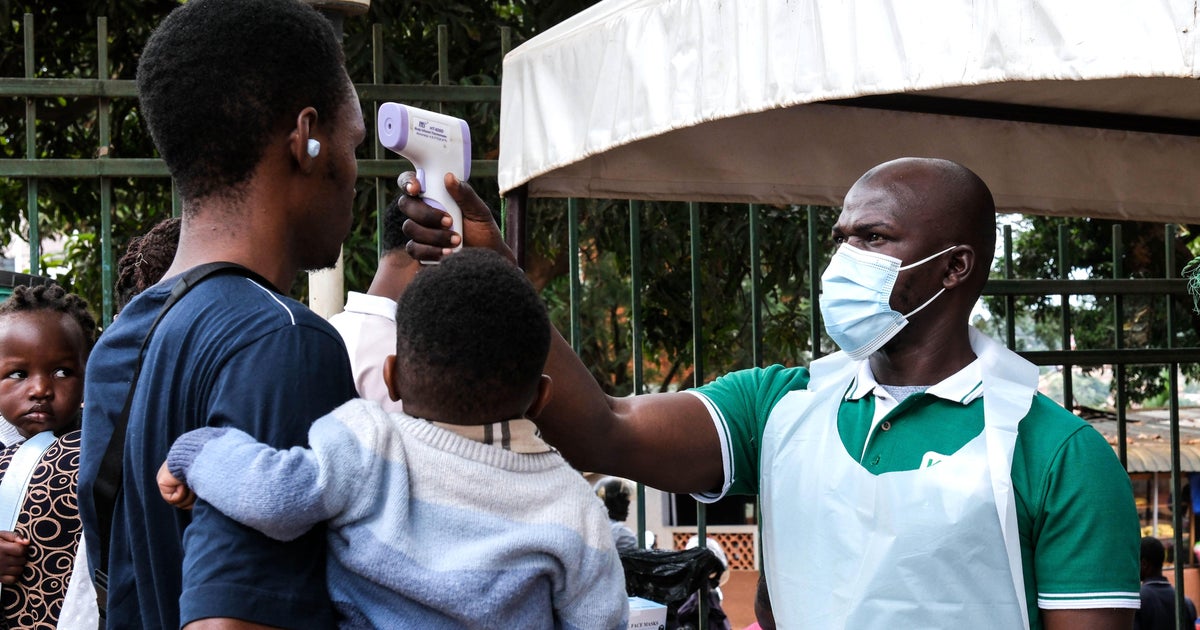
Health authorities in eastern Democratic Republic of Congo's Ituri province reported a new Ebola outbreak. As of the reporting, at least 80 deaths have been reported and 246 suspected cases were identified; earlier official figures noted 65 deaths. Laboratory testing at the National Institute of Biomedical Research processed 13 blood samples: eight tested positive for Ebola, identified as the Bundibugyo virus; five samples were unanalyzable due to insufficient volume. The health minister said eight cases have been laboratory-confirmed, with four deaths among those confirmed. The suspected index case is described as a nurse who died on or after April 24 with symptoms consistent with Ebola. The outbreak has been confirmed in three health zones in Ituri—Bunia, Rwampara, and Mongwalu. Uganda reported one imported case who died in Kampala on May 14; that body was later returned to Congo. The World Health Organization and Africa CDC expressed concern about spread because of proximity to Uganda and South Sudan and population movements. Doctors Without Borders (MSF) reported preparing a large-scale response. Media and public-health experts noted that Bundibugyo is a less common Ebola variant with no approved vaccines or strain-specific treatments, and they highlighted logistical and security challenges in reaching affected populations in this volatile region. Regional governments (Kenya, Uganda) have increased surveillance and screening measures at points of entry.
Biblical Reflection
This report describes a serious public-health emergency that demands urgent, practical compassion rather than panic. Biblically, news of widespread illness and death calls Christians to mourn with those who mourn (Romans 12:15), to pray for the sick and caregivers, and to support effective relief efforts. The article is primarily factual about case counts, locations, and the identified virus strain, but it mixes objective reporting with speculative or interpretive claims—especially when linking U.S. foreign-aid policy changes to the speed of international response. Such linkages may be valid to explore, but they should be treated as analysis rather than settled fact unless substantiated by specific timelines and sources. From a worldview perspective, notice two impulses in the coverage: 1) fear appeal—frequent burials and vivid quotes aim to convey urgency and suffering, which is important but can amplify anxiety; 2) attribution—some sources attribute delayed or reduced international response to policy decisions in Washington, which invites political judgment alongside health reporting. Christians should weigh both: act with compassion and practical support for affected people and responders, while holding analysis of geopolitical causes lightly until confirmed. Also resist fatalism: Ebola, though severe, has containment pathways (surveillance, contact tracing, safe burials, community engagement). The call is to pray, to care sacrificially for neighbors and health workers, to encourage transparent, evidence-based public-health action, and to advocate for resources and protection for those serving in dangerous conditions.
Scripture in context
This outlook does not yet include contextual Scripture citations. Do not treat a general biblical theme as an exegetical conclusion.
Faithful Response
No prescribed response is offered. Consider the reflection prompts below in your own church context.
Reflection and Discussion
- 1Which parts of the report are straightforward facts (case counts, locations, lab results) and which are analysis or attribution (reasons for delayed response, effects of foreign policy)?
- 2Whose voices are centered—local health officials and residents, international agencies, Western experts—and how does that shape our understanding of urgency and need?
- 3How does fear get amplified in coverage of deadly diseases, and how can believers respond with sober discernment that balances compassion, truth, and calm action?
Sources
Reporting links are evidence inputs; Sanctuary News' biblical reflection is commentary.
This outlook currently relies on fewer than two linked sources. Broaden verification before teaching from it.
- 1.Original reportprimary