News Summary
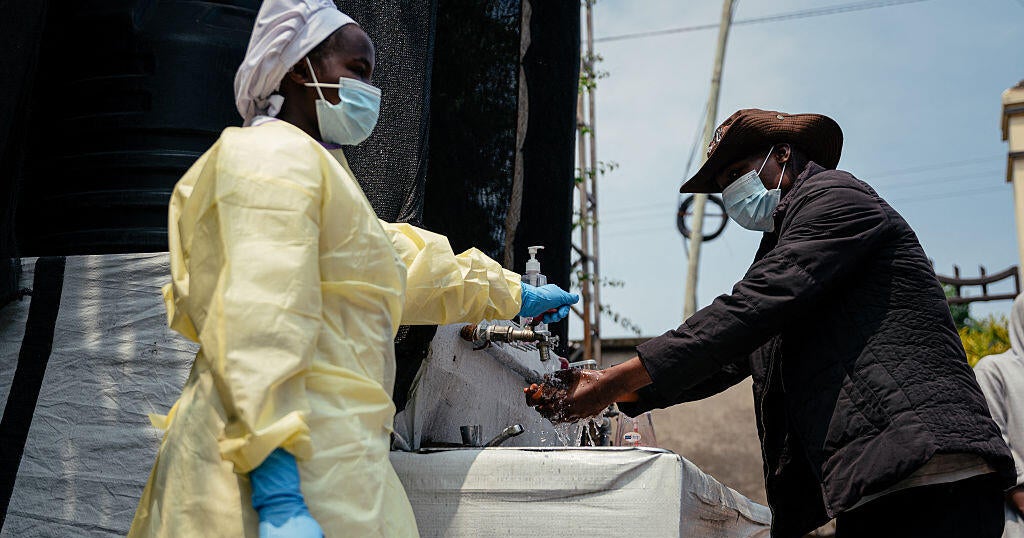
Health authorities reported 131 confirmed deaths and 513 suspected cases in the Ebola outbreak in the Democratic Republic of the Congo; one death was reported in neighboring Uganda. The World Health Organization declared a public health emergency of international concern and said it was deeply concerned about the outbreak's scale and speed. The virus has been identified as the Bundibugyo species of orthoebolavirus. This species has caused only two prior known outbreaks (Bundibugyo District, Uganda in 2007; Congo in 2012). There are currently no approved vaccines or specific treatments for Bundibugyo virus disease; existing approved vaccines and therapeutics target the Zaire (Ebola) strain. The Bundibugyo virus has an estimated case fatality rate of about 30–50% based on prior outbreaks, lower than the highest reported rates for Zaire strain. Transmission occurs via direct contact with bodily fluids of infected people or the deceased. Early symptoms can mimic other illnesses; supportive care (rehydration and symptom treatment) improves survival. WHO representative reported shipment of six tons of supplies including PPE and sample kits to Ituri province. One American doctor working with aid groups has tested positive and several Americans may have been exposed.
Biblical Reflection
The article reports verifiable facts: case counts, strain identification, WHO's emergency declaration, lack of strain-specific vaccines, and the arrival of supplies. As Christian readers, we should prize truth-telling and sober reporting: acknowledging danger without lapsing into fear or fatalism. The piece reflects a humanitarian-scientific worldview—prioritizing disease surveillance, international coordination, and aid delivery. Missing from the short report are deeper causes and contexts that shape outbreaks (local health-system capacity, displacement, trust in health workers, and socio-political conditions), and therefore Christians should be cautious about drawing policy conclusions from this brief account alone. Biblically, the news calls us to compassion and concrete care for the sick (Matthew 25:35–36), to pray and act for the vulnerable, and to support trustworthy relief efforts rather than spreading panic or misinformation. Practically, Christians can hold tensions: grieve loss and danger, advocate for resources and safe care, and resist fear by anchoring hope in God while participating in compassionate, practical service.
Scripture in context
This outlook does not yet include contextual Scripture citations. Do not treat a general biblical theme as an exegetical conclusion.
Faithful Response
No prescribed response is offered. Consider the reflection prompts below in your own church context.
Reflection and Discussion
- 1Does the coverage emphasize immediate danger more than the practical, ongoing needs (health system support, protective equipment, trained staff) that would reduce suffering? How does that shape our response?
- 2What assumptions about global institutions, scientific authority, or fear are present in the reporting—and how should those assumptions influence our discernment and actions?
- 3In what concrete ways can the church balance truthful communication about risk with compassionate, non-panicking care for affected communities and those who serve them?
Sources
Reporting links are evidence inputs; Sanctuary News' biblical reflection is commentary.
This outlook currently relies on fewer than two linked sources. Broaden verification before teaching from it.
- 1.Original reportprimary