News Summary
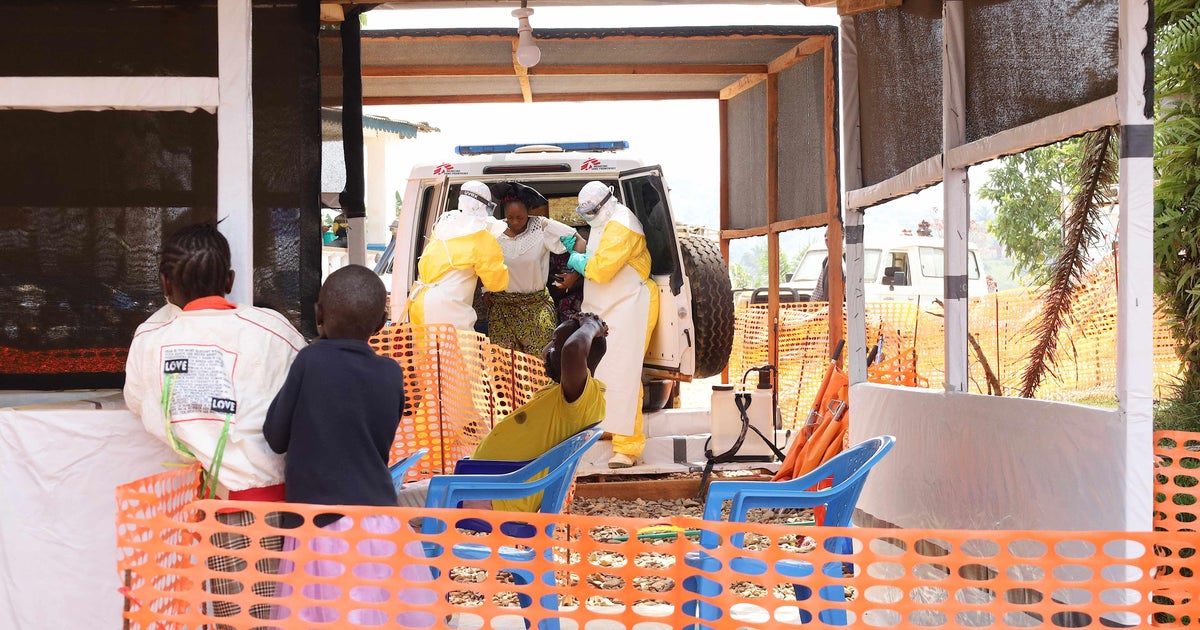
Health authorities report 1,003 confirmed Ebola cases and 254 deaths in an outbreak concentrated in Ituri province, eastern Democratic Republic of the Congo, declared on May 15. Officials say 100 people have recovered and at least 365 patients are currently in hospitals or isolation. The outbreak is caused by the Bundibugyo Ebola virus, for which there are no available vaccines or approved treatments; it was described as the worst initial month on record. Contact tracing coverage is reported at about 55%, with more than 35,000 people identified as having been in contact with infected individuals and authorities still unable to identify the index case. Response efforts are hindered by ongoing violence in the region, including attacks by the ISIS-backed Allied Democratic Force that limit access to villages and force population displacement. Camp officials at Kigonze, a displacement camp of about 20,000 people in Bunia, reported 10 unexplained deaths in one week and have requested investigation despite no confirmed Ebola cases there. The U.N. refugee agency notes at least 2 million displaced people, including some 320,000 refugees, live in areas at risk, and expresses deep concern about accelerating spread and risks to displaced communities. Officials warn the outbreak may be larger than known and that the peak is still ahead.
Biblical Reflection
This report aligns with public-health reporting: it focuses on measurable indicators (cases, deaths, contact tracing) and highlights how conflict and displacement worsen health crises. The underlying worldview is technocratic—measure, trace, contain—but the article also points to structural failures (insecurity, limited access) that technical measures alone cannot fix. From a Christian perspective, the numbers call for both sober truthfulness and urgent mercy: truth in accurately assessing scale and limits, mercy in practical care for the sick and displaced, and courage to address the political and security root causes that block aid. The coverage can unintentionally dehumanize by emphasizing statistics over personal stories; Christians are called to see each affected person as made in God's image and to advocate for peaceful conditions that allow health workers to serve. The situation also warns against fatalism: absence of a vaccine demands increased humanity, solidarity, and prayer rather than resignation or panic.
Scripture in context
This outlook does not yet include contextual Scripture citations. Do not treat a general biblical theme as an exegetical conclusion.
Faithful Response
No prescribed response is offered. Consider the reflection prompts below in your own church context.
Reflection and Discussion
- 1How does framing the crisis primarily in numbers shape our response to the people behind those numbers?
- 2What structural sins—violence, displacement, political neglect—are enabling this outbreak, and how should Christians hold leaders and institutions accountable?
- 3Are we attending to both immediate mercy (medical care, shelter) and long-term justice (security, the right to safe access for responders)?
Sources
Reporting links are evidence inputs; Sanctuary News' biblical reflection is commentary.
This outlook currently relies on fewer than two linked sources. Broaden verification before teaching from it.
- 1.Original reportprimary