News Summary
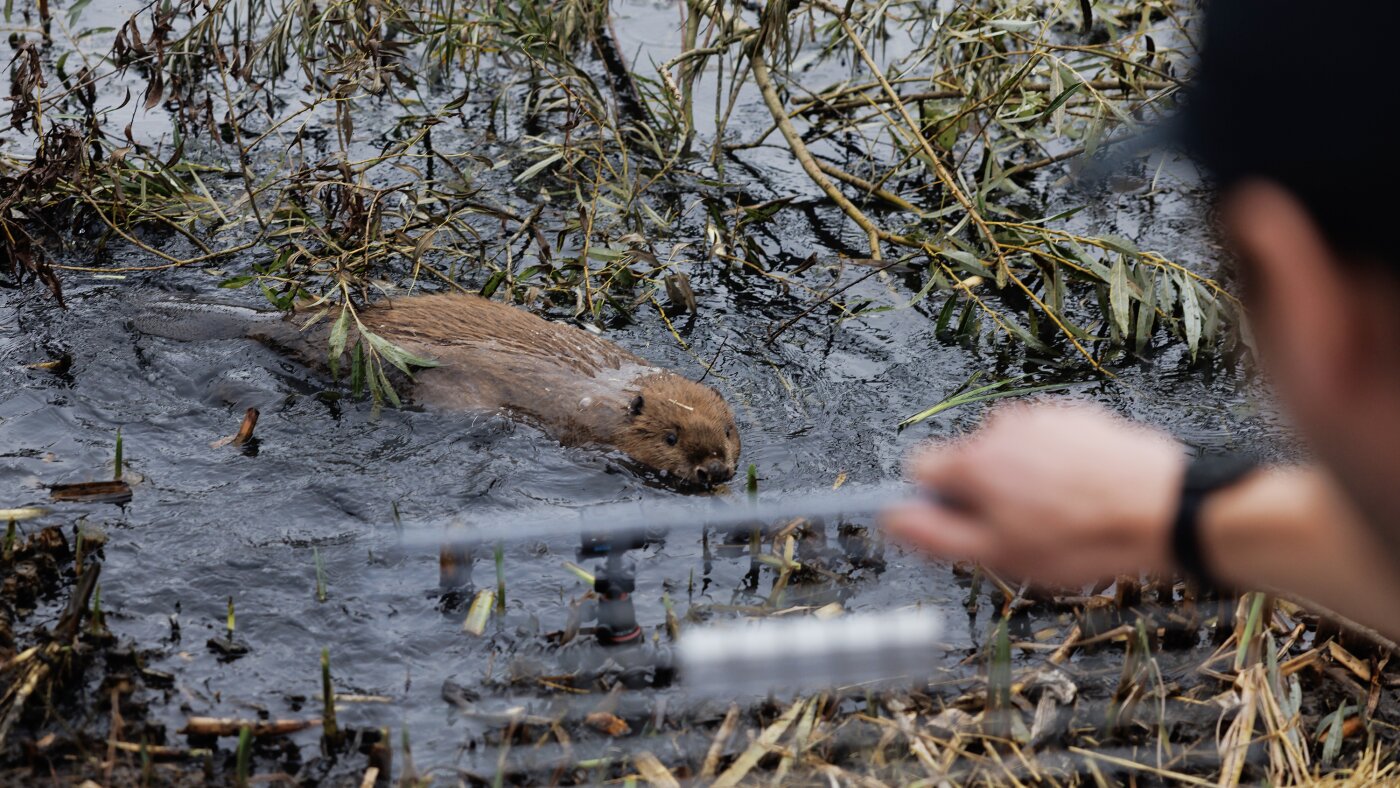
Britain has been reintroducing beavers after they were hunted to extinction there more than 400 years ago. In October 2023, a family of five Eurasian (Norwegian) beavers was released under license into Paradise Fields, a 20-acre urban nature reserve in Greenford, West London, as part of the Ealing Beaver Project. Within weeks the animals built dams, forming a pond and wetland that have helped reduce flooding at the nearby Greenford Tube station, increased local biodiversity (new bird species, bats, freshwater shrimp, and butterflies), and allowed officials to forego costlier engineered options for flood control at that site. The article traces earlier reintroductions beginning in Scotland in 2009 (Millie and Bjornar) and notes wider reintroduction efforts elsewhere in Europe and the U.S. It also reports tensions: in parts of Scotland beavers have spread to private land (including some unlicensed releases), where they can block irrigation channels, flood crops, fell trees, and undermine banks. The Scottish government has a fund for repairs to public-interest damage; private landowners sometimes trap or (illegally) shoot beavers. Some farmers adapt by protecting trees and using mitigation measures; others oppose the animals. Land managers and volunteers in other U.K. parks are applying for licenses to introduce beavers to help restore wetlands and reduce labor-intensive maintenance work.
Biblical Reflection
From a Christian perspective, this story touches on stewardship of creation, care for neighbors, prudence in public policy, and humility before complex systems. The article shows both the restorative power of allowing ecosystems to repair themselves and the real costs or harms that can fall on specific people (farmers whose land floods or who lose trees). Biblical stewardship (Genesis 2:15) supports restoring damaged habitats and caring for biodiversity, and using creatures and natural processes to reduce human suffering (e.g., flood damage) is consistent with loving our neighbors. At the same time, Scripture calls for justice and concern for the vulnerable; policies that restore wetlands should also address negative impacts on landowners and workers — compensation, consultation, and practical mitigation are matters of neighborly justice. The piece sometimes leans toward a hopeful, optimistic framing — beavers as “little climate warriors” — which can understate trade-offs, governance challenges, and long-term monitoring needs. Christians should welcome creation-care solutions that relieve human harm, but also insist on prudence, accountable decision-making, respect for property and livelihoods, and transparent conflict resolution. Finally, the story is a reminder that God’s common grace often works through both nonhuman creation and human creativity; wise stewardship balances restoration of ecosystems with love, justice, and humility in implementation.
Scripture in context
This outlook does not yet include contextual Scripture citations. Do not treat a general biblical theme as an exegetical conclusion.
Faithful Response
No prescribed response is offered. Consider the reflection prompts below in your own church context.
Reflection and Discussion
- 1Whom does this intervention help and whom might it harm? Does the coverage give balanced attention to both ecological benefits and the livelihoods affected?
- 2How does the hope of restoring creation (wetlands, biodiversity) interact with obligations to protect private property and feed communities? Where should Christians press for mercy, compensation, and wise regulation?
- 3Are we tempted to treat nature-based solutions as a simple fix for climate impacts? What further evidence, oversight, and long-term care should we require before assuming broad application?
Sources
Reporting links are evidence inputs; Sanctuary News' biblical reflection is commentary.
This outlook currently relies on fewer than two linked sources. Broaden verification before teaching from it.
- 1.Original reportprimary