News Summary
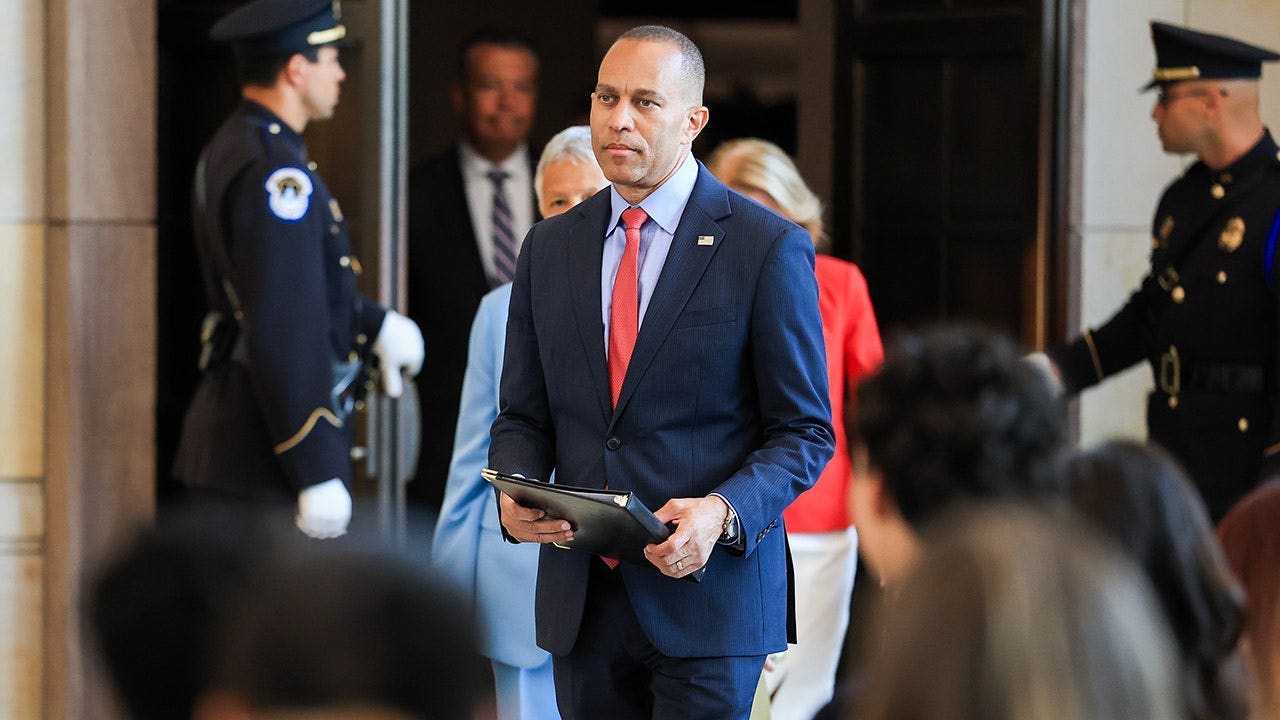
Three candidates backed by New York figures including Mayor Zohran Mamdani — Brad Landler, Claire Valdez and Darializa Avila Chevalier (the latter two identified as members of the Democratic Socialists of America) — won congressional primary contests in New York. Some of the winners’ past social-media posts and statements, especially those by Chevalier calling for measures such as abolishing ICE and criticizing the United States, have been cited in media and opposition research and have generated controversy. House Democratic Leader Hakeem Jeffries, who advocates a more centrist, coalition-building approach, publicly congratulated the nominees while facing pressure from moderate Democrats to repudiate or distance the party from more extreme positions. The article reports reactions across the political spectrum: moderates warn these primary outcomes could hurt Democrats in swing districts, some progressives defend the grassroots energy of primary voters, and Republicans characterize the results as damaging to the Democratic Party. The piece places these events in a broader trend of left-ward organizing within the party, notes similar challenges faced by leaders such as Nancy Pelosi in past cycles, and points to related contests in the Senate (Maine and Michigan) as part of the same dynamic. It also highlights the role of Israel–Gaza politics in energizing activists and influencing primaries.
Biblical Reflection
Pastorally, this story reveals familiar tensions between truth-telling, mercy, and the hard work of governing a diverse coalition. The article is an opinion piece with partisan framing that emphasizes conflict and threat; its language often casts the Democratic Socialists of America as a singular menace and stresses political risk, which may amplify fear more than clarify facts. The concerns it reports — including allegations of antisemitic or inflammatory rhetoric and the electoral consequences of fringe statements — are real and deserve sober attention. At the same time, Christians should resist a reflex to dehumanize political opponents or reduce complex local dynamics to caricatures. Leaders must be accountable for speech that harms neighbors, yet pastors and citizens should also model restraint, ask careful questions about evidence, and distinguish between ideological disagreement and hateful speech. Practically, Christians called to public life should pursue truth (call out harmful rhetoric), mercy (seek restoration when possible), humility (recognize our own blind spots), and neighbor-love (protect vulnerable groups while engaging disagreement constructively). Media coverage that prizes drama over nuance makes this harder; discipleship asks us to slow down, evaluate sources, and insist on charity alongside courageous truth-telling.
Scripture in context
This outlook does not yet include contextual Scripture citations. Do not treat a general biblical theme as an exegetical conclusion.
Faithful Response
No prescribed response is offered. Consider the reflection prompts below in your own church context.
Reflection and Discussion
- 1Does the article frame internal party disagreements primarily as an existential threat or as differing convictions within a coalition, and how does that framing shape your response?
- 2Are instances of offensive rhetoric being clearly distinguished from legitimate policy disagreement, or are labels being used to simplify complex debates?
- 3How can Christian citizens and leaders hold public figures accountable for harmful speech while refusing to treat political opponents as less than neighbors?
Sources
Reporting links are evidence inputs; Sanctuary News' biblical reflection is commentary.
This outlook currently relies on fewer than two linked sources. Broaden verification before teaching from it.
- 1.Original reportprimary