News Summary
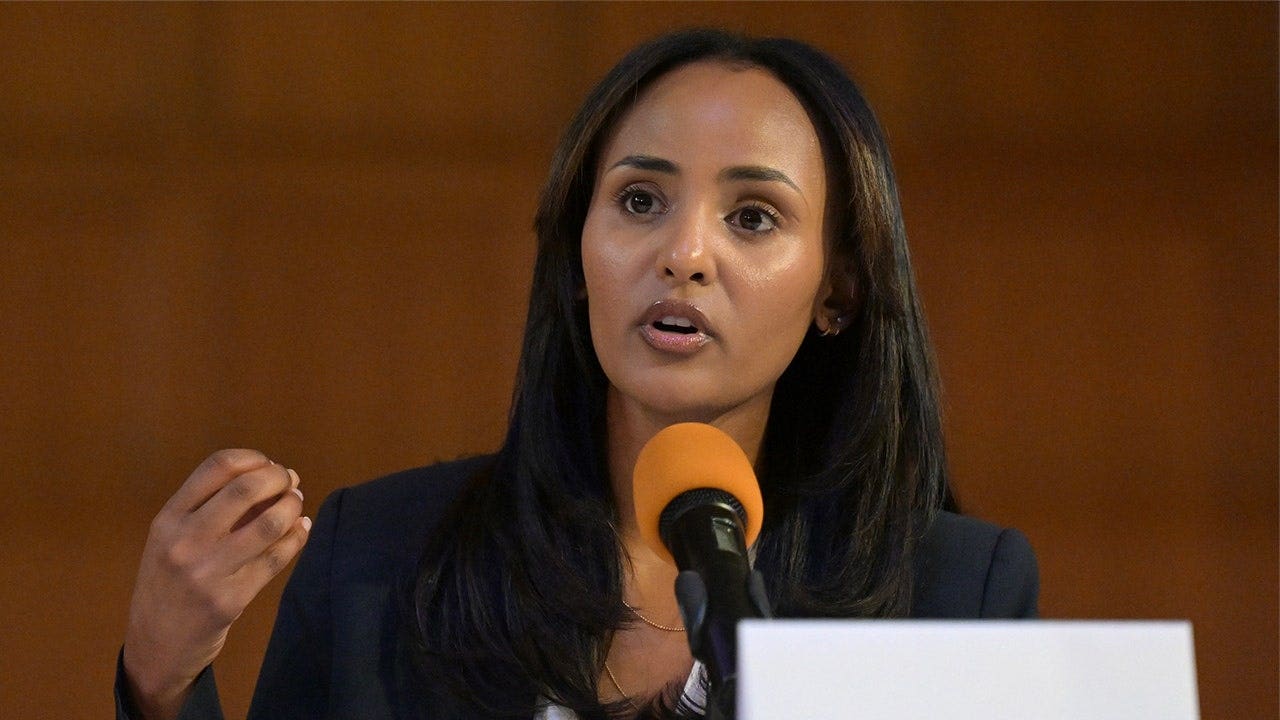
DSA-aligned and other progressive candidates scored several notable primary wins in recent contests. In Colorado's 1st Congressional District, Melat Kiros, a 29-year-old first-time candidate and former attorney backed by DSA and Justice Democrats, defeated longtime Democratic Rep. Diana DeGette. Earlier, DSA-aligned candidates won two New York congressional primaries: Darializa Avila Chevalier defeated Rep. Adriano Espaillat, and Claire Valdez won a primary to succeed retiring Rep. Nydia Velázquez. In Colorado's neighboring 8th District, State Rep. Manny Rutinel won the Democratic primary and will face Republican Rep. Gabe Evans in the general election; Rutinel has moderated some previous progressive positions. In the Democratic Senate primary, incumbent Sen. John Hickenlooper prevailed over progressive Julie Gonzales. Phil Weiser won the Democratic gubernatorial nomination over U.S. Sen. Michael Bennet. The reporting notes DSA and allied groups promoting progressive priorities (e.g., Medicare for All, universal childcare, positions on immigration and Israel/Palestine) and includes commentary from progressive figures and Republican critics framing the outcomes as evidence of a leftward shift and potential electoral risk in battleground districts.
Biblical Reflection
What happened is politically significant but not unprecedented: organized progressive groups have repeatedly advanced challengers inside the Democratic Party in recent cycles. The facts reported—primary victories and endorsements—are accurate; however, the piece includes partisan framing and selective emphasis that amplify conflict (using terms like “far-left,” highlighting alarm from opponents, and quoting polarizing figures) more than detailed policy analysis or likely electoral consequences. Christians should note two truths: first, political labels can obscure the concrete effects policies have on neighbors—healthcare, poverty, immigration, and public safety require practical scrutiny beyond slogans; second, the tone of coverage matters for civic health—language that inflames fear or derides opponents deepens division and makes neighbor-love harder. Evaluate candidates by how their proposals will promote human dignity, protect vulnerable people, and steward common goods, not merely by whether labels fit. Also be wary of reductionist narratives from all sides that treat elections as existential moral certainties; the gospel calls for honesty, mercy toward opponents, humility about our blindness, and courage to pursue the common good through votes and civic engagement.
Scripture in context
This outlook does not yet include contextual Scripture citations. Do not treat a general biblical theme as an exegetical conclusion.
Faithful Response
No prescribed response is offered. Consider the reflection prompts below in your own church context.
Reflection and Discussion
- 1Are news outlets or commentators emphasizing ideological labels more than the tangible policy impacts that will affect ordinary people?
- 2Which proposals from winning candidates most directly protect the dignity and needs of the poor, families, and workers in their districts?
- 3How might heightened partisan rhetoric shape our willingness to listen, collaborate, or seek common-ground solutions after primaries?
Sources
Reporting links are evidence inputs; Sanctuary News' biblical reflection is commentary.
This outlook currently relies on fewer than two linked sources. Broaden verification before teaching from it.
- 1.Original reportprimary