News Summary
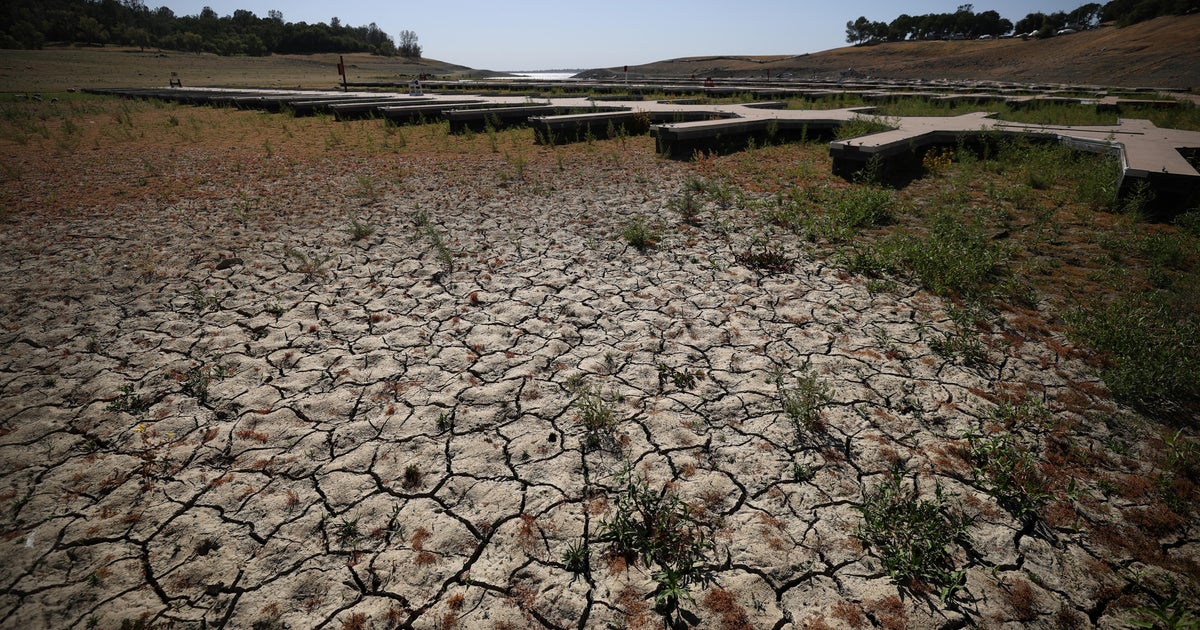
Weather and drought monitoring agencies report that drought conditions in the contiguous United States have reached record levels for this time of year. The U.S. Drought Monitor shows more than 61% of the Lower 48 states in moderate to exceptional drought, including 97% of the Southeast and roughly two-thirds of the West. NOAA's Palmer Drought Severity Index recorded its highest March value since 1895 and March 2026 was the third-driest month on record (behind July and August 1934). Much of the West experienced exceptionally low snowpack in the early months of the year; New Mexico, Arizona, Colorado and Utah are cited as having record-low mountain snow accumulation. Low snowpack and high atmospheric moisture demand (vapor pressure deficit reported ~77% above normal in parts of the West) increase concerns about water shortages and heightened wildfire risk later in the season. Federal and interagency fire officials warned of higher-than-normal potential for significant fires in parts of the Southwest. Meteorologists and climate scientists quoted in the report say the drought and heat are driven by a mix of natural variability and human-caused climate change, with randomness noted as a slightly larger factor by one source. Experts also warned of potential agricultural impacts and higher food prices for the U.S. and globally, and noted that a predicted El Niño could further affect crop yields in some regions.
Biblical Reflection
What the article reports is primarily empirical: gauges and indices show unusually widespread drought, low snowpack, and atmospheric dryness that raise legitimate risks to water supplies, wildfire activity, and agriculture. From a Christian perspective several truths and responsibilities emerge. First, the report underscores human vulnerability and the limits of our control—reminding us of dependence on God for provision (see Genesis 1–2; Matthew 6). Second, Scripture calls believers to faithful stewardship of creation (Genesis 2:15) and to care for neighbors, especially the poor and vulnerable who are most harmed by rising food and water costs (James 2; Luke 10). Third, Christians should evaluate the article's framing with sober discernment: the piece relies on established scientific sources (NOAA, climatologists) and presents data that justify concern; when it discusses causes, it quotes scientists who note both natural variability and anthropogenic influences. Avoid treating the scientific questions as the sole moral issue; instead, hold together truth-seeking (attending to data), humility about complex causal claims, and active compassion. Finally, the cultural tone of urgency is understandable given the data; Christians can respond without panic—by praying, supporting practical preparedness and relief, advocating for wise resource management, and ministering to those impacted.
Scripture in context
This outlook does not yet include contextual Scripture citations. Do not treat a general biblical theme as an exegetical conclusion.
Faithful Response
No prescribed response is offered. Consider the reflection prompts below in your own church context.
Reflection and Discussion
- 1What assumptions about human responsibility and limits are embedded in the article’s warnings, and how should those shape a Christian response to environmental and humanitarian risk?
- 2Which communities are most likely to be harmed if drought raises food and water costs, and how does Scripture call the church to prioritize and protect them?
- 3How should we weigh and interpret scientific warnings (data and projections) alongside theological convictions about God’s sovereignty and our stewardship?
Sources
Reporting links are evidence inputs; Sanctuary News' biblical reflection is commentary.
This outlook currently relies on fewer than two linked sources. Broaden verification before teaching from it.
- 1.Original reportprimary