News Summary
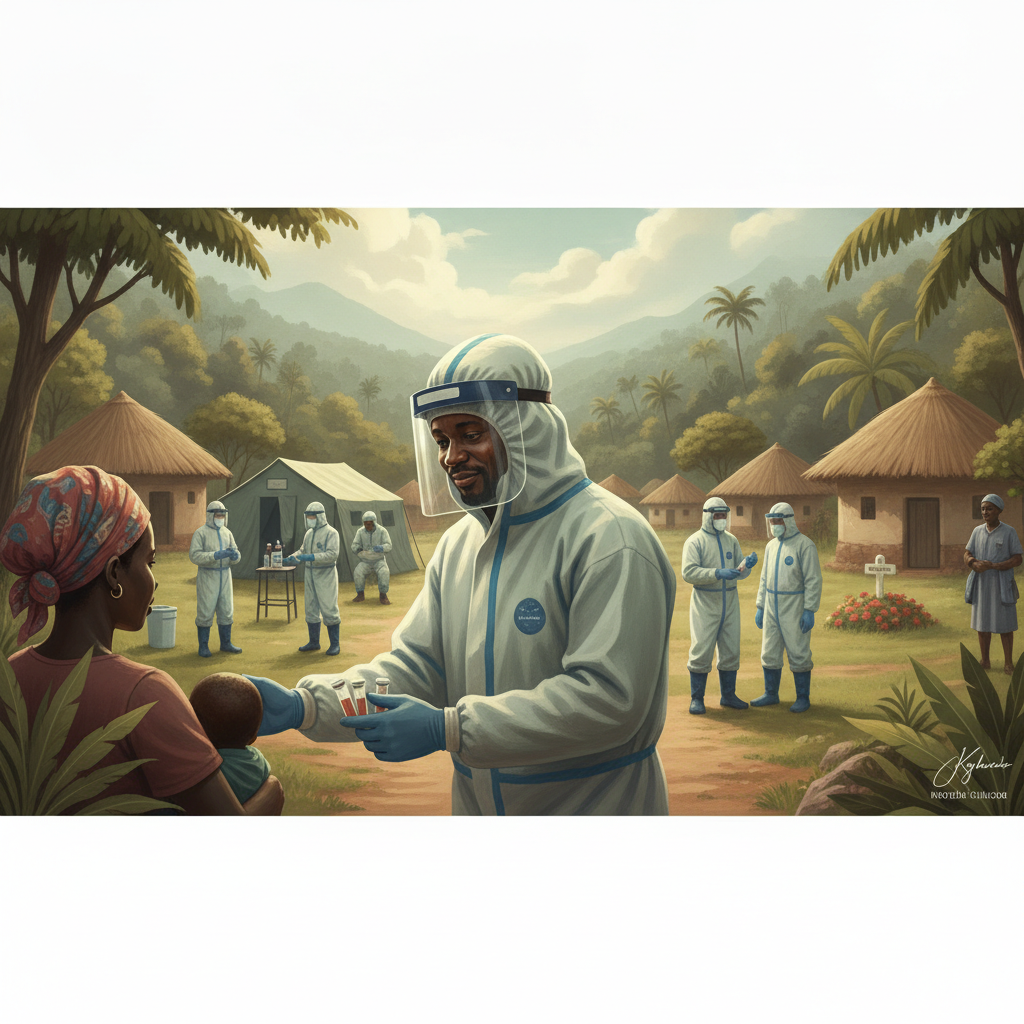
Reported facts: The joint WHO-DRC statement reports an outbreak of Ebola caused by the Bundibugyo virus affecting health zones in Ituri, North Kivu and South Kivu; high-level visits to Bunia occurred; the DRC government is leading the response with WHO and partners; intensified surveillance, lab testing, patient care, contact tracing, safe burials, infection prevention and community engagement are underway; the statement says there is no licensed vaccine or specific treatment for Bundibugyo and that randomized controlled trials of candidate vaccines/treatments will be started. Attributed claims: The statement attributes case and death notifications to the Ministry of Health and describes DRC's prior experience containing Ebola. Uncertainty: The article does not provide verified case counts, dates of symptom onset, laboratory confirmation details, timelines for trials, or independent data beyond the joint statement.
Source and Framing Analysis
This is an official joint statement from WHO and the DRC government; its frame is coordination, reassurance, and an appeal for solidarity and resources. That framing serves public-health goals (encouraging cooperation and community engagement) but also functions as a diplomatic and mobilizing message. The statement provides limited operational detail (no case numbers, limited timelines), so material uncertainty remains about outbreak scale, speed of spread, and the timing and scope of trials and additional interventions.
Biblical Reflection
This official statement is primarily a call to coordinated public-health action and international support. It aligns with a truth-seeking posture in naming the pathogen (Bundibugyo Ebola), the geographic scope, and operational gaps (no licensed vaccine for this strain). As a pastoral adviser, the Christian response should be shaped by compassion for the sick, solidarity with overwhelmed health workers, and a commitment to truthful, nonpanic communication that protects vulnerable neighbours. The statement's emphasis on community leadership and culturally appropriate engagement reflects humility and respect—values Christians should reinforce. At the same time, official reassurances may understate practical uncertainties (case numbers, trajectories, timelines for trials). Christians should therefore pray and give practically (medical relief, logistical support), advocate for equitable access to care and resources, and resist fear-driven stigma toward affected communities. Loving the neighbour here means supporting public-health measures, welcoming accurate information, and stewarding resources so the most vulnerable are not left behind.
Scripture in context
- 1Matthew 25:31-46 — In this passage Jesus speaks of the final judgment, commending those who fed the hungry, gave drink to the thirsty, welcomed strangers, clothed the naked, cared for the sick, and visited prisoners; the passage emphasizes concrete acts of mercy as integral to faithful life. — This text highlights that caring for the sick and vulnerable is not peripheral but central to faithful practice; during an outbreak, providing food, medical care, safe shelter, and accompaniment are concrete ways the church bears witness to Christ’s compassion and justice.
Faithful Response
Pray regularly for those affected, for health workers, and for wise leadership.
Support reputable relief organizations financially or by volunteering to ensure medical supplies and personnel reach affected areas.
Avoid spreading unverified reports; share reliable public-health information and combat stigma in your social circles and congregation.
Offer practical help to migrants, refugees, or local families impacted by the outbreak (food, pastoral care, transportation to clinics when safe and appropriate).
Reflection and Discussion
- 1How does our faith call us to respond when tools (vaccines or treatments) are limited, and which actions most truly protect the vulnerable?
- 2Amid fear or rumors, how can the church be a reliable source of calm truth and practical help?
- 3Where should we advocate for justice—such as equitable access to care and supplies—on behalf of affected communities?
Sources
Reporting links are evidence inputs; Sanctuary News' biblical reflection is commentary.
This outlook currently relies on fewer than two linked sources. Broaden verification before teaching from it.
- 1.Joint statement by the Government of the Democratic Republic of the Congo and WHO concerning the outbreak of Ebola disease caused by the Bundibugyo virusofficial_document