News Summary
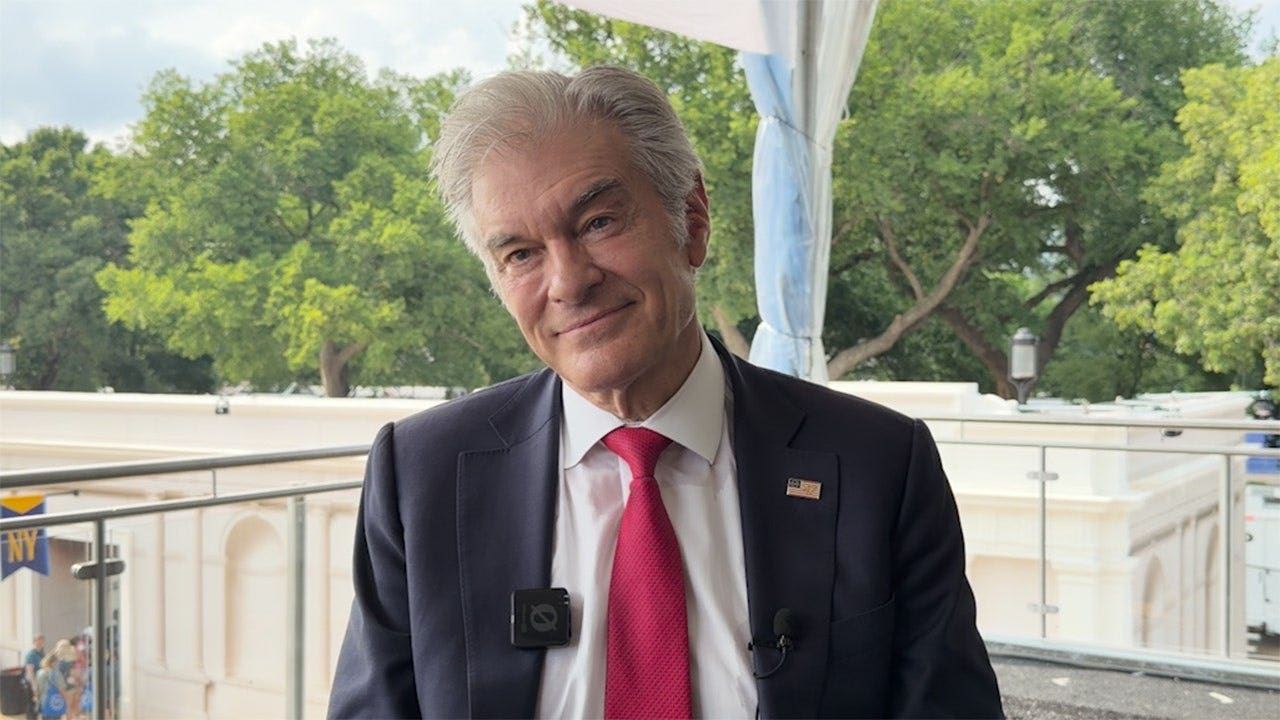
Facts reported: Fox News published an interview with CMS Administrator Mehmet Oz on July 6, 2026, in which he emphasized quality- and value-based care, preventive routines, and the underuse of Medicare annual wellness visits. Attributed claims: Oz said fewer than half of Medicare beneficiaries take the free wellness visit, he supports using AI safely in healthcare, and he projected that if Americans worked one extra year on average due to improved health it would add about $1 trillion in value to the nation. Uncertainty: The article gives no underlying data, methodology, or independent economic analysis supporting the $1 trillion figure or the specific statistic about wellness-visit uptake.
Source and Framing Analysis
Source role and framing: The piece is primary reporting of an interview by a Fox News lifestyle reporter; it presents the CMS administrator’s views and projections without independent confirmation. Missing voices: independent economists, health services researchers, CMS actuarial staff, patient advocates, and Medicare beneficiaries are not quoted. Incentives: the article highlights a prominent official speaking to a broad audience—engagement and succinct takeaways are prioritized over methodological detail. Disputed or uncertain claims: the $1 trillion projection and the specific Medicare-wellness uptake percentage require external verification. What needs independent verification: the economic calculation and data behind the wellness-visit claim, evidence that quality failures are the single largest driver of cost in the way described, and the projected effect on labor-force participation.
Biblical Reflection
From a Christian pastoral perspective, the article raises constructive priorities—prevention, relationships, and dignity in care—that align with stewardship of the body and neighbor-care. However, it reduces part of human flourishing to economic output by emphasizing GDP gains from added work years; Christians should resist measuring human worth primarily by productivity. The piece relies on an authoritative government official’s assertions without showing the data or methodology for the $1 trillion projection, so readers should treat the number as a claim that needs verification. Practically, encouraging preventive care, reducing loneliness, and improving access for seniors are consistent with Christian love; advocating for these should be done with humility, attention to the vulnerable, and care that policies protect human dignity rather than valuing people chiefly for their economic contribution.
Scripture in context
- 1Matthew 25:31-46 — In the Gospel of Matthew, Jesus speaks about final judgment where care for 'the least'—feeding the hungry, welcoming the stranger, visiting the sick and imprisoned—is the criterion for righteous action; the passage addresses communal responsibility and the moral weight of how we treat vulnerable neighbors. — This passage calls Christians to prioritize policies and practices that protect and serve vulnerable people in healthcare and aging—measuring success not only by economic gain but by how the least among us are treated.
Faithful Response
Encourage older members to use preventive services (assist with scheduling or transportation) while respecting informed choice.
Support local clinics and ministries that provide reconciliatory, dignity-preserving care to seniors and low-income patients.
Advocate for health policies that balance prevention and quality with protections for those who are not economically productive.
Reflection and Discussion
- 1What specific data or analysis would you ask for before accepting the $1 trillion projection as policy-relevant?
- 2Whose perspectives (patients, caregivers, independent economists) are missing from this report, and how would their inclusion change the story?
- 3How does the article’s focus on economic value influence public sympathy and resource allocation for the elderly and chronically ill?
Sources
Reporting links are evidence inputs; Sanctuary News' biblical reflection is commentary.
This outlook currently relies on fewer than two linked sources. Broaden verification before teaching from it.
- 1.Dr Oz reveals the healthy retirement habit that could make America $1 trillion richerprimary_reporting