News Summary
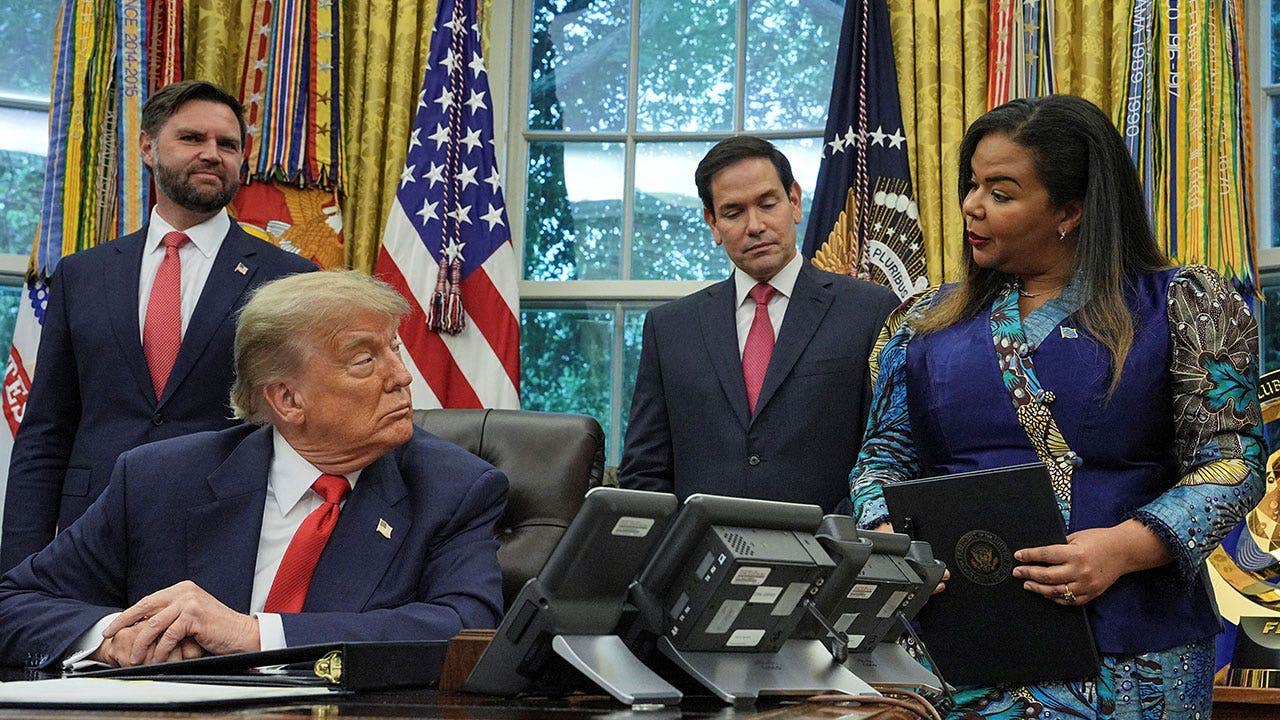
DR Congo Foreign Minister Thérèse Kayikwamba Wagner told Fox News Digital at the U.N. that Kinshasa does not view growing U.S. involvement in its critical-minerals sector as a competition with China and that the country needs multiple partners to develop its resources. A U.S.–DRC strategic partnership signed Dec. 4, 2025, calls for economic cooperation, investment and development of secure critical-mineral supply chains; a separate arrangement between state miner Gécamines and commodities trader Mercuria could give U.S. buyers priority access to some copper and cobalt, and the U.S. International Development Finance Corporation has expressed interest in a stake. Kayikwamba Wagner urged that the global energy transition avoid simply exporting raw materials and called for local processing, technology transfer, infrastructure and financing. The minerals push is linked to a U.S.-mediated peace framework between DRC and Rwanda intended to reduce fighting and attract investment; Kayikwamba Wagner acknowledged the agreement has not ended violence and said Washington’s sanctions on Rwandan military figures signaled continued engagement. She reported sharp increases in conflict-related sexual violence in areas held by M23 and forces she described as Rwandan, noted limited access to justice and care for victims in occupied areas, and cited U.N. expert estimates of large-scale coltan smuggling from Rubaya into Rwanda. The U.S. Treasury imposed sanctions on June 25 against a network accused of smuggling minerals with M23 to support the peace framework and improve transparency in regional supply chains.
Biblical Reflection
This report highlights three converging realities: the urgent global demand for critical minerals, the DRC’s effort to convert natural wealth into domestic development, and the human cost of ongoing conflict in the east. From a Christian perspective, the DRC’s insistence on multiple partners and on local processing reflects a legitimate desire for economic dignity and for avoiding new forms of dependency—an important moral claim about stewardship and justice. The article also exposes a persistent risk: geopolitical framing (U.S. vs. China) can re-center foreign powers while marginalizing Congolese agency and the immediate suffering of civilians. Readers should notice that the official DRC message combines pragmatic diplomacy with calls for industrial policy, while law-enforcement actions (sanctions) and peace agreements remain fragile on the ground. Pastoral discernment calls us to hold both truth and compassion: truth about how global demand and foreign investment can enable or entrench exploitation, and compassion for victims of violence who need protection, medical care and justice. The Christian response should press for transparency, accountability for perpetrators of abuse and smuggling, investment that builds local capacity, and foreign policies that prioritize human flourishing over strategic advantage.
Scripture in context
This outlook does not yet include contextual Scripture citations. Do not treat a general biblical theme as an exegetical conclusion.
Faithful Response
No prescribed response is offered. Consider the reflection prompts below in your own church context.
Reflection and Discussion
- 1Who benefits most from current mineral deals—and are Congolese communities gaining real control over processing, jobs and revenue?
- 2Does the U.S.–China framing obscure Congolese agency and the immediate needs of civilians suffering violence and exploitation?
- 3Are international responses prioritizing transparency, survivor care, and local capacity-building, or mainly securing foreign supply chains?
Sources
Reporting links are evidence inputs; Sanctuary News' biblical reflection is commentary.
This outlook currently relies on fewer than two linked sources. Broaden verification before teaching from it.
- 1.Original reportprimary