News Summary
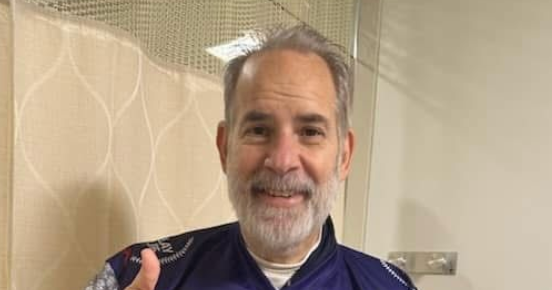
Joe Gillette, a 57-year-old New York resident, noticed sudden double vision and sought medical care. An eye specialist found nerve damage and recommended a brain scan; an additional full-body workup revealed Stage IV kidney cancer with metastases to the brain, lungs, bones, lymph nodes and pancreas. A biopsy confirmed the metastases originated from the kidney. Gillette began immunotherapy, received radiation and underwent brain surgery that required a prolonged recovery including a medically induced coma of about 10 weeks. Subsequent radiation and two years of immunotherapy reduced the tumors; in April 2024 he had surgery to remove the primary kidney tumor. He currently takes a daily oral immunotherapy, has regular MRIs and endoscopies, meets his oncologist every six to eight weeks, and remains monitored for recurrence. The article notes that fewer than 20% of Stage IV kidney cancer patients survive five years and highlights advances in cancer treatments that have improved outcomes compared with a decade ago.
Biblical Reflection
This article presents a human-interest account of an individual whose cancer was discovered after an otherwise routine symptom and who benefited from modern oncology care. The narrative emphasizes medical expertise, timely diagnostics, and the progress of targeted therapies and immunotherapy — realities Christians can acknowledge gratefully as gifts of human ingenuity and care. The story also raises ethical and pastoral questions: impersonal electronic notifications delivered life-changing news, and the emotional toll of prolonged, intensive care was significant. Christians should hold a balanced view: celebrate medical advances that preserve life and reduce suffering, while advocating for compassionate communication, holistic care that attends to spiritual and emotional needs, and support systems for patients and families. The article largely reports factual clinical details and a survivor perspective without overt ideological framing; its primary bias is toward hopeful treatment outcomes and the value of early diagnosis. Pastoral discernment here calls for humility before human fragility, gratitude for scientific progress, vigilance for patient dignity, and compassion for those who remain in prognosis uncertainty.
Scripture in context
This outlook does not yet include contextual Scripture citations. Do not treat a general biblical theme as an exegetical conclusion.
Faithful Response
No prescribed response is offered. Consider the reflection prompts below in your own church context.
Reflection and Discussion
- 1How should medical institutions balance fast electronic access to test results with the pastoral need for compassionate, person-to-person delivery of serious diagnoses?
- 2What does this story teach about placing hopeful trust in medical advances while maintaining humility about suffering and ultimate outcomes?
- 3Where can faith communities best step in to provide practical, emotional, and spiritual support for people undergoing prolonged, intensive cancer treatment?
Sources
Reporting links are evidence inputs; Sanctuary News' biblical reflection is commentary.
This outlook currently relies on fewer than two linked sources. Broaden verification before teaching from it.
- 1.Original reportprimary