News Summary
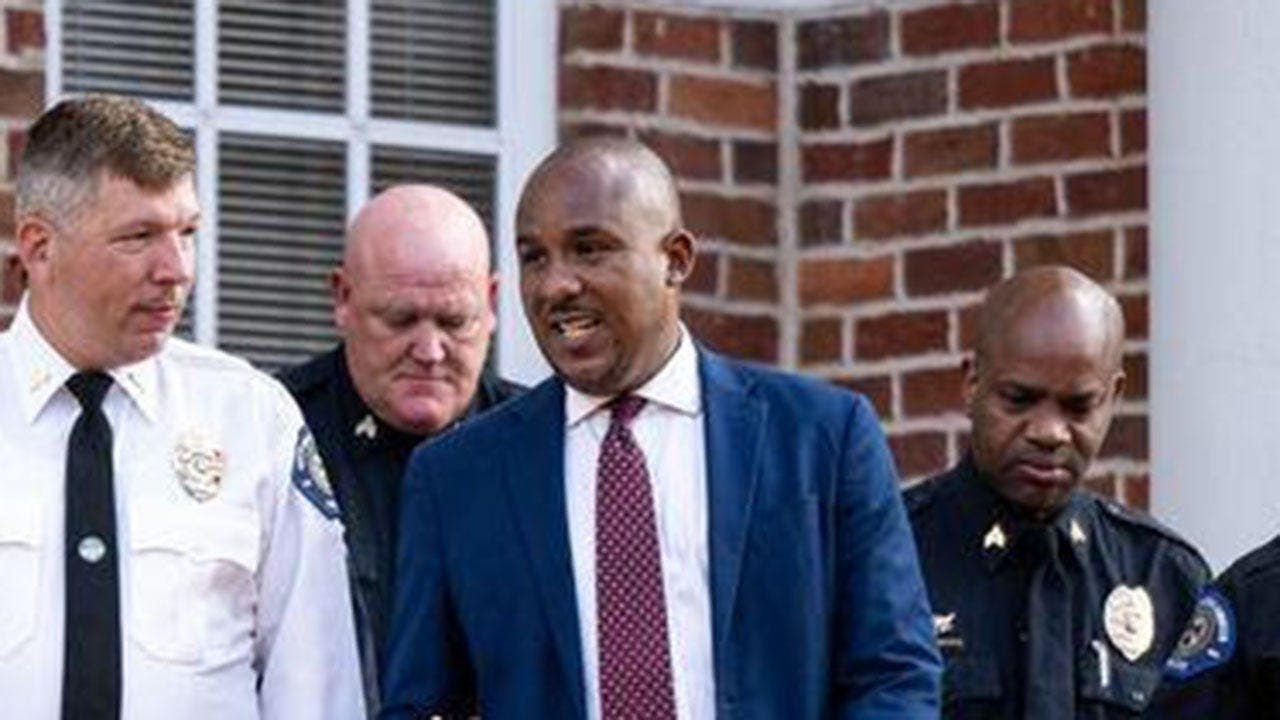
Scott Colom, a Mississippi district attorney, is the Democratic nominee running against incumbent Republican Sen. Cindy Hyde-Smith in the 2026 Senate election. Colom’s campaign has drawn attention and financial support from national donors; Federal Election Commission filings show members of the Soros family donated nearly $30,000 this cycle. Michael Vachon, described as a top advisor to George Soros, told supporters on a call with Sen. Elizabeth Warren and former Rep. Joe Kennedy that boosting Colom’s name recognition through funding could make the race competitive. Colom and his backers argue money is needed to build recognition; Hyde-Smith’s team criticized out-of-state donors and characterized Colom as aligned with a national liberal agenda. The article notes prior controversy when Colom opposed a judicial nomination using a senatorial tradition known as a blue slip, and it reports donations to Hyde-Smith from fertilizer-industry entities, including amounts from Koch Industries and Nutrien. Warren used the call to outline priorities a Democratic Senate majority might pursue, including voting-rights legislation, ending gerrymandering, and D.C. statehood.
Biblical Reflection
This story highlights a familiar tension in American civic life: local elections drawing national money and attention. The article correctly reports who donated, who spoke on the strategy call, and the public arguments made by both campaigns; those are verifiable facts. Its framing, emphasizing a “Soros network” and ‘‘out-of-state liberal elites,’’ reflects a partisan lens that foregrounds donor origins over policy differences and local issues. Christians should notice two realities: (1) money shapes political visibility and can amplify voices — a structural problem that calls for honesty and reform rather than partisan scapegoating; (2) rhetoric that treats ‘‘outsiders’’ as corrosive can harden tribalism and distract from assessing candidates by character and common good. Evaluate claims about corruption or undue influence against concrete evidence (amounts, voting records, policy proposals) rather than inferred motives. Pastoral discernment calls us to weigh a candidate’s integrity, stewardship of public trust, and love of neighbor above their funders’ identities, while also praying for transparent systems that limit money’s distorting power.
Scripture in context
This outlook does not yet include contextual Scripture citations. Do not treat a general biblical theme as an exegetical conclusion.
Faithful Response
No prescribed response is offered. Consider the reflection prompts below in your own church context.
Reflection and Discussion
- 1Does focusing on donor identity shift attention away from the candidate’s record and the policies that most affect neighbors in Mississippi?
- 2How might language that frames outside support as inherently hostile feed tribal fear rather than careful civic judgment?
- 3What standards of stewardship, honesty, and neighbor-love should guide our evaluation of any candidate, regardless of who funds them?
Sources
Reporting links are evidence inputs; Sanctuary News' biblical reflection is commentary.
This outlook currently relies on fewer than two linked sources. Broaden verification before teaching from it.
- 1.Original reportprimary