News Summary
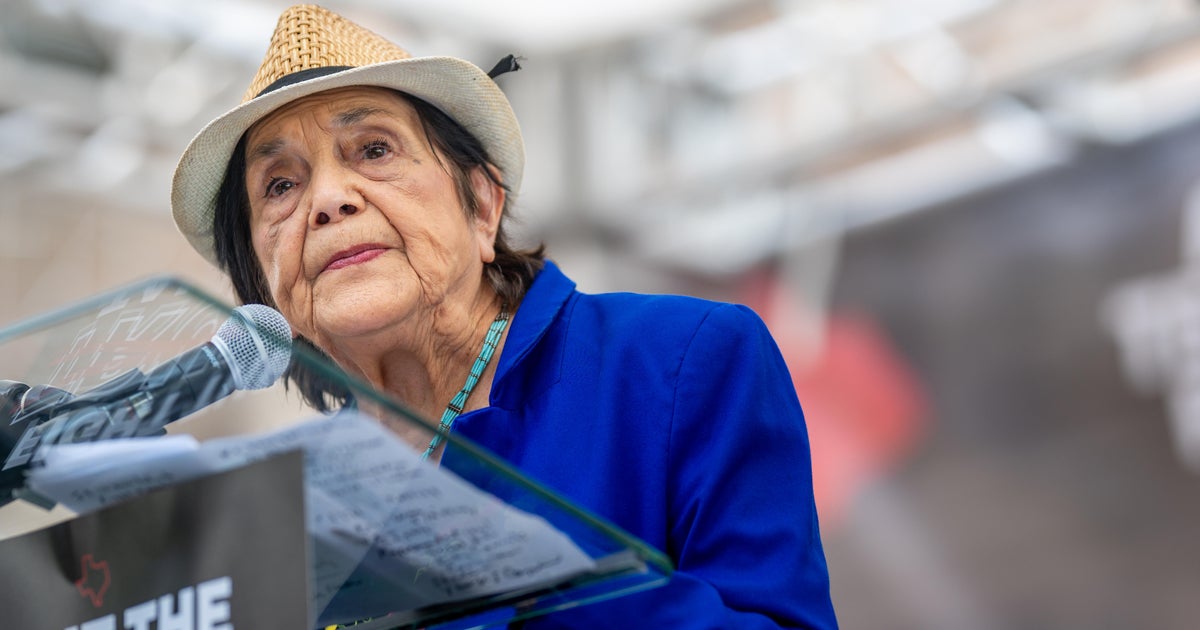
A New York Times investigation published allegations that Cesar Chavez raped and abused women and girls, including accounts from two women who say he sexually abused them when they were children in the 1970s. In her first public interview since the report, 95‑year‑old labor leader Dolores Huerta told Latino USA she was among those affected: she says Chavez raped her in the 1960s in two separate encounters that resulted in two pregnancies. Huerta explained she kept the assaults secret for decades because she feared exposing the truth would harm the farmworker movement she had devoted her life to. She expressed shock at the broader allegations, sorrow that she never confronted Chavez, support for other survivors who have come forward, and a resolve to continue the movement’s work while recognizing Chavez’s “dark side.” The Chavez family described the allegations as “deeply painful” and expressed support for survivors; organizations and reporters are seeking further comment from the Chavez Foundation.
Biblical Reflection
This story raises several biblical concerns: the protection of the vulnerable, the responsibility of leaders, and the cost of silence. Scripture is uncompromising about defending those who are weak and oppressed and calling out injustice (Psalm 82:3–4). When leaders — even those who accomplish good — are accused of harming the vulnerable, the church must both seek truth and show compassion. Two tensions emerge biblically: (1) we are to honor justice, accountability, and care for survivors rather than conceal wrongdoing to preserve a cause (Proverbs condemns perverting justice for the needy); and (2) we are to remember that good outcomes or public achievements do not excuse sin or remove obligation for repentance and restoration (Luke 12:2–3; Hebrews 13:17 warns about leaders’ responsibilities). Huerta’s testimony underscores the human cost of abuse and the painful choices survivors make about speaking out. As Christians, we should: believe and support survivors whose accounts call for attention, pursue truth and due process without reflexive dismissal or idolizing leaders, and press for institutional practices that protect the vulnerable. Forgiveness and grace are central to the gospel, but they do not eliminate the need for accountability, justice, and reparative care for victims. The faithful response is to pray for healing, seek justice, reform structures that enable abuse, and continue advocacy that protects the dignity of all people.
Scripture in context
This outlook does not yet include contextual Scripture citations. Do not treat a general biblical theme as an exegetical conclusion.
Faithful Response
No prescribed response is offered. Consider the reflection prompts below in your own church context.
Reflection and Discussion
- 1When a respected leader is accused of harming the vulnerable, how can you hold both truth and the need for justice and compassion in balance?
- 2In what ways might silence or protection of a movement have unintentionally harmed vulnerable people, and how should the church respond now?
- 3How can your community tangibly support survivors while also seeking truth, healing, and institutional reform?
Sources
Reporting links are evidence inputs; Sanctuary News' biblical reflection is commentary.
This outlook currently relies on fewer than two linked sources. Broaden verification before teaching from it.
- 1.Original reportprimary